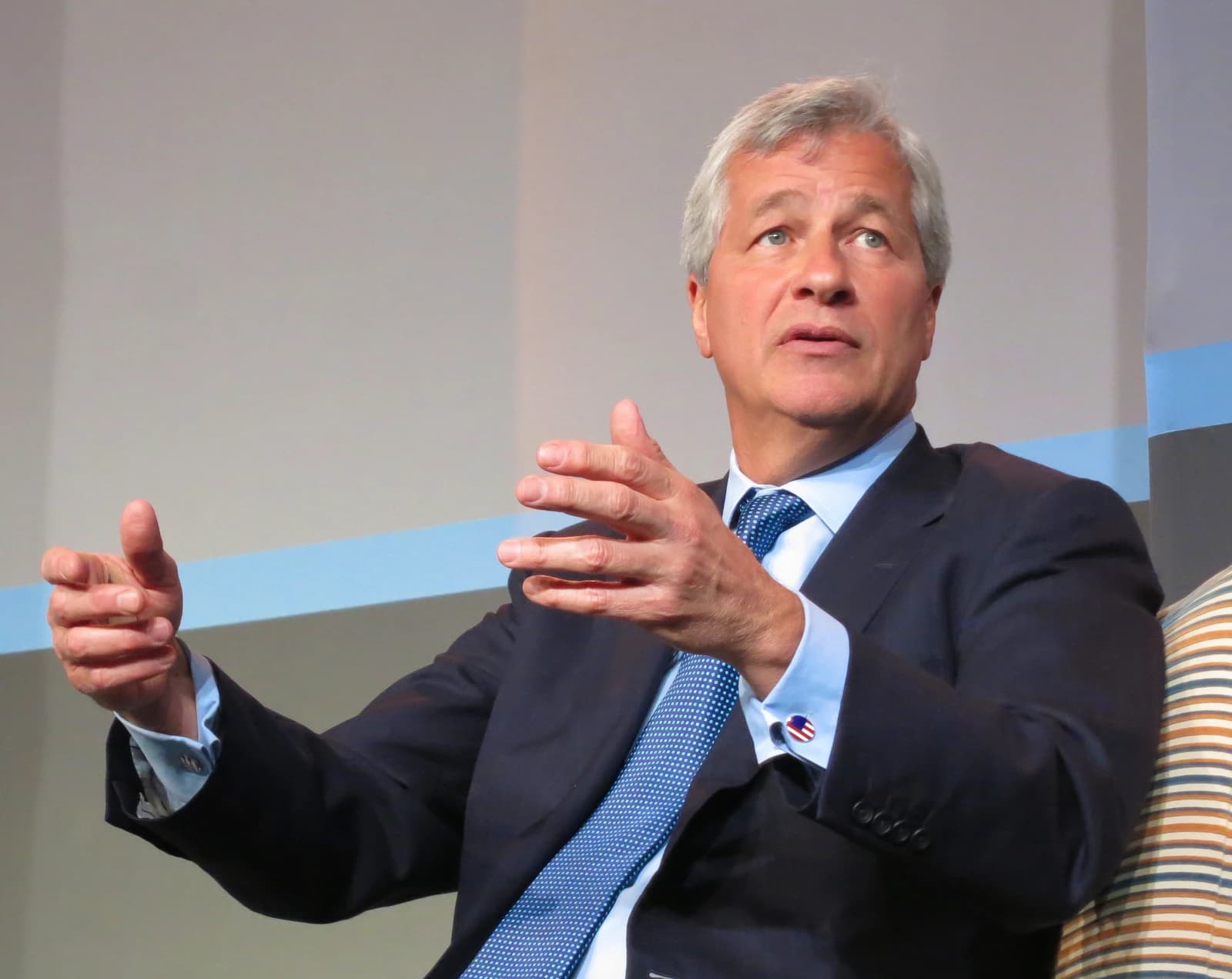
UK consumer prices cooled to 2.6% in June, the weakest reading since March 2025, strengthening the case for the Bank of England to keep easing policy if disinflation holds through the summer.
UK inflation cools, boosting BoE easing bets
The drop from 2.8% in May gives households a little more breathing room and adds to signs that price pressures are fading after a long stretch of elevated living costs. The latest slowdown was driven mainly by lower petrol and food prices, two of the categories that most directly hit consumer budgets and shape near-term inflation expectations.
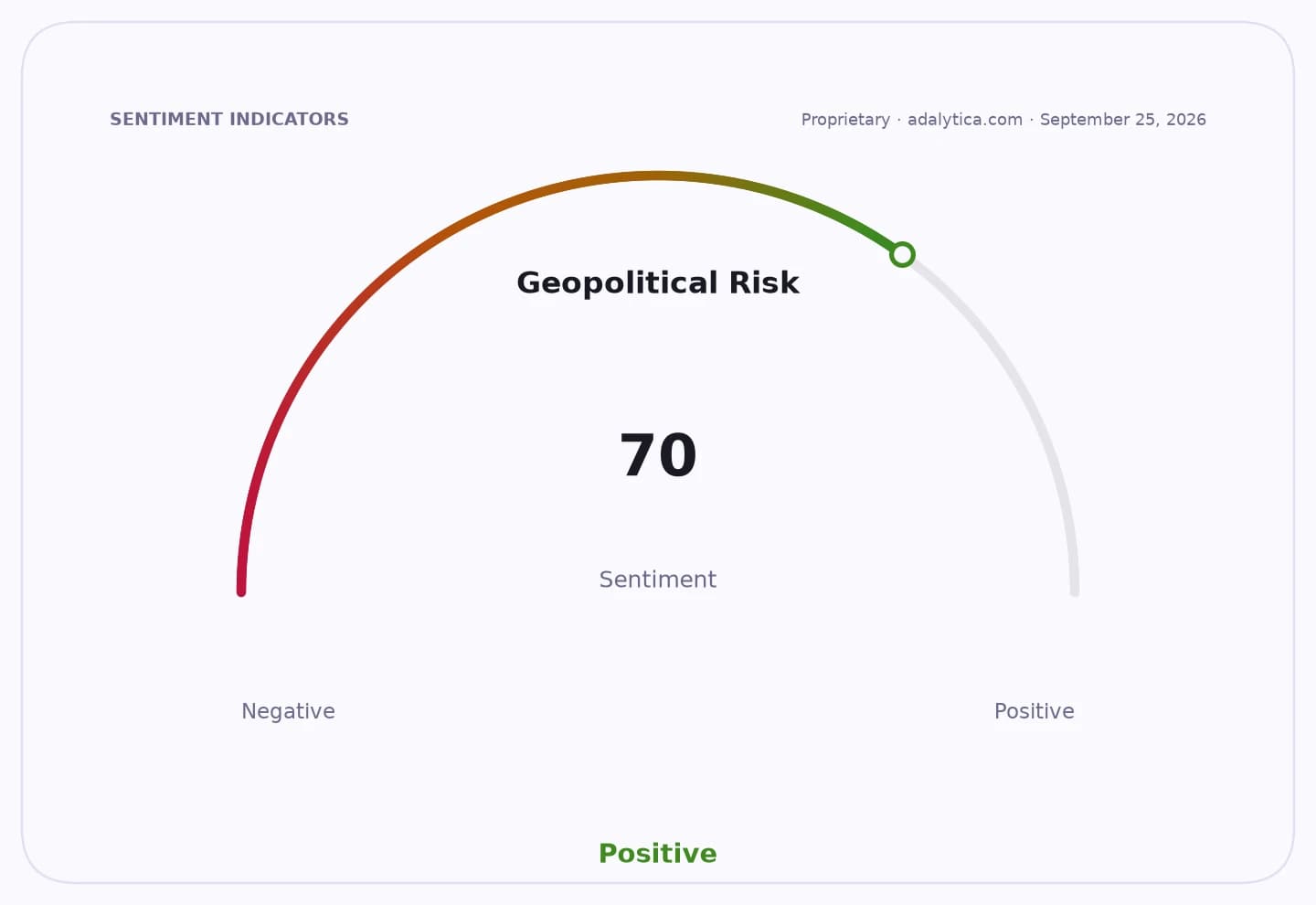
Sentiment IndicatorsⓘProprietary · adalytica.com · July 22, 2026
This is a snapshot — live sentiment, awareness and momentum for 130+ markets update continuously in the dashboard.Open AlphaPulse
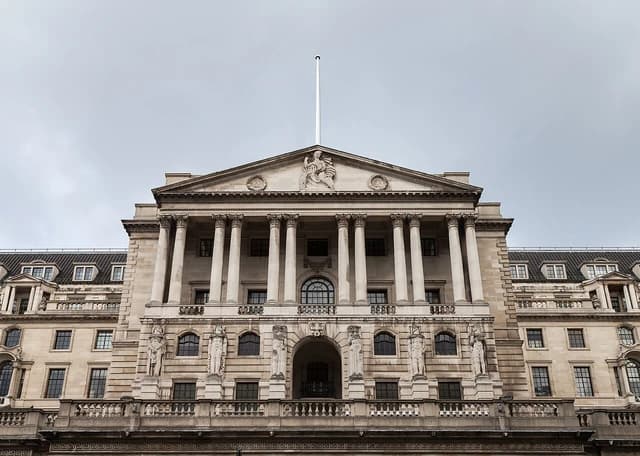
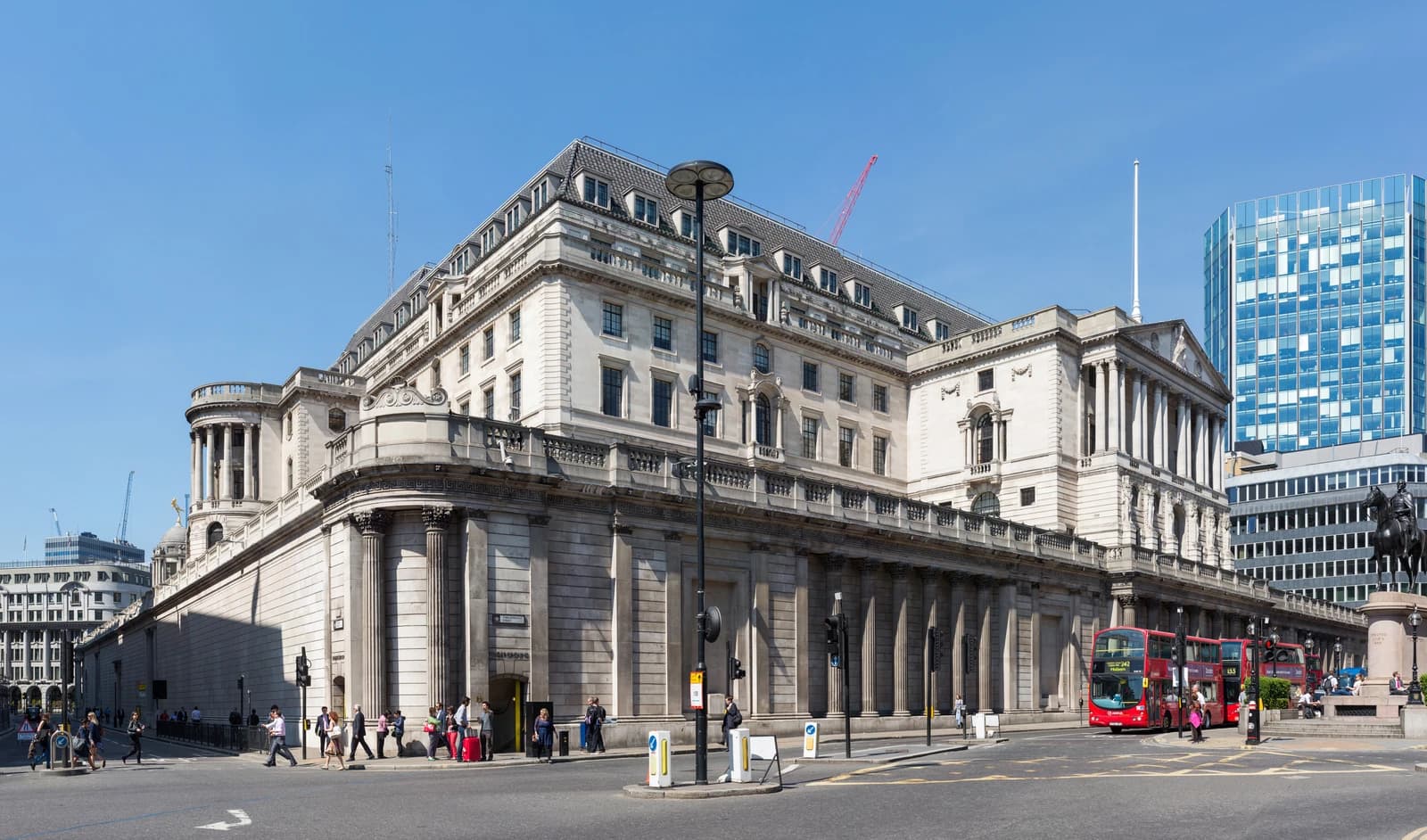
For investors, the number matters because it shifts the balance of risks around the Bank of England’s next moves. A softer inflation profile lowers the odds of another hawkish surprise and supports the view that UK rates can move lower from restrictive levels, even as officials remain wary of sticky services inflation and wage growth.
The pound was steady at about $1.34, with technical indicators showing the currency trading near its 50-day and 200-day moving averages. The FTSE 100 held around 10,573, while the 10-year U.S. Treasury yield sat near 4.58%, underscoring that the UK inflation print lands in a market still focused on the global rate path rather than one national release.
The broader backdrop is still fragile. Adalytica’s CPI signal is flashing “Greed,” reflecting elevated market attention to inflation, while U.S. dollar and S&P 500 trade signals are neutral, suggesting the release is unlikely to trigger a broad risk reset on its own. Still, with energy prices volatile and geopolitical tensions unresolved, traders will be watching whether June proves to be a floor or the start of a more durable easing trend.
The next catalyst is the Bank of England’s reaction function: any sign that July and August price data confirm June’s cooling could pull gilt yields lower, weaken sterling and revive rate-sensitive shares, while a rebound in energy or food costs would quickly reverse the optimism.
| Entity | Gains | Losses |
|---|---|---|
| UK households | ▲Lower living costs | ▼Less inflation relief if energy rises |
| Bank of England doves | ▲More rate-cut cover | ▼Less urgency for caution |
| Borrowers and rate-sensitive stocks | ▲Easier financing conditions | ▼If rates stay higher for longer |
| Pound bulls and bond bears | ▲Near-term stability | ▼Softer UK rate expectations |