UK inflation accelerated to 2.9% in July, lifting the odds that the Bank of England will keep policy tight for longer as higher regulated energy bills feed back into household costs and the broader price outlook.
UK inflation rises to 2.9% in July

The increase matters because it pushes inflation further above the Bank of England’s 2% target at a moment when the economy is already dealing with fragile growth and still-elevated borrowing costs. Even if some underlying price pressures are easing, the July reading reinforces the view that the final leg of disinflation is proving uneven, especially when energy and other administered prices turn higher.
That is a problem for policymakers because energy-linked inflation tends to be sticky in the near term and can reshape expectations well beyond the immediate month. The market reaction is likely to center on the path of rates: a hotter inflation print reduces the scope for near-term easing and keeps gilt yields sensitive to any signs that price momentum is broadening again.
The context in energy markets adds to that caution. Oil has already rebounded from early-August lows, while benchmark U.S. Treasury yields have edged higher in recent sessions, reflecting a broader repricing of inflation risk and interest-rate persistence. In the UK, that combination leaves the BoE with less room to declare victory over inflation, even if food price pressures and some consumer categories are cooling.
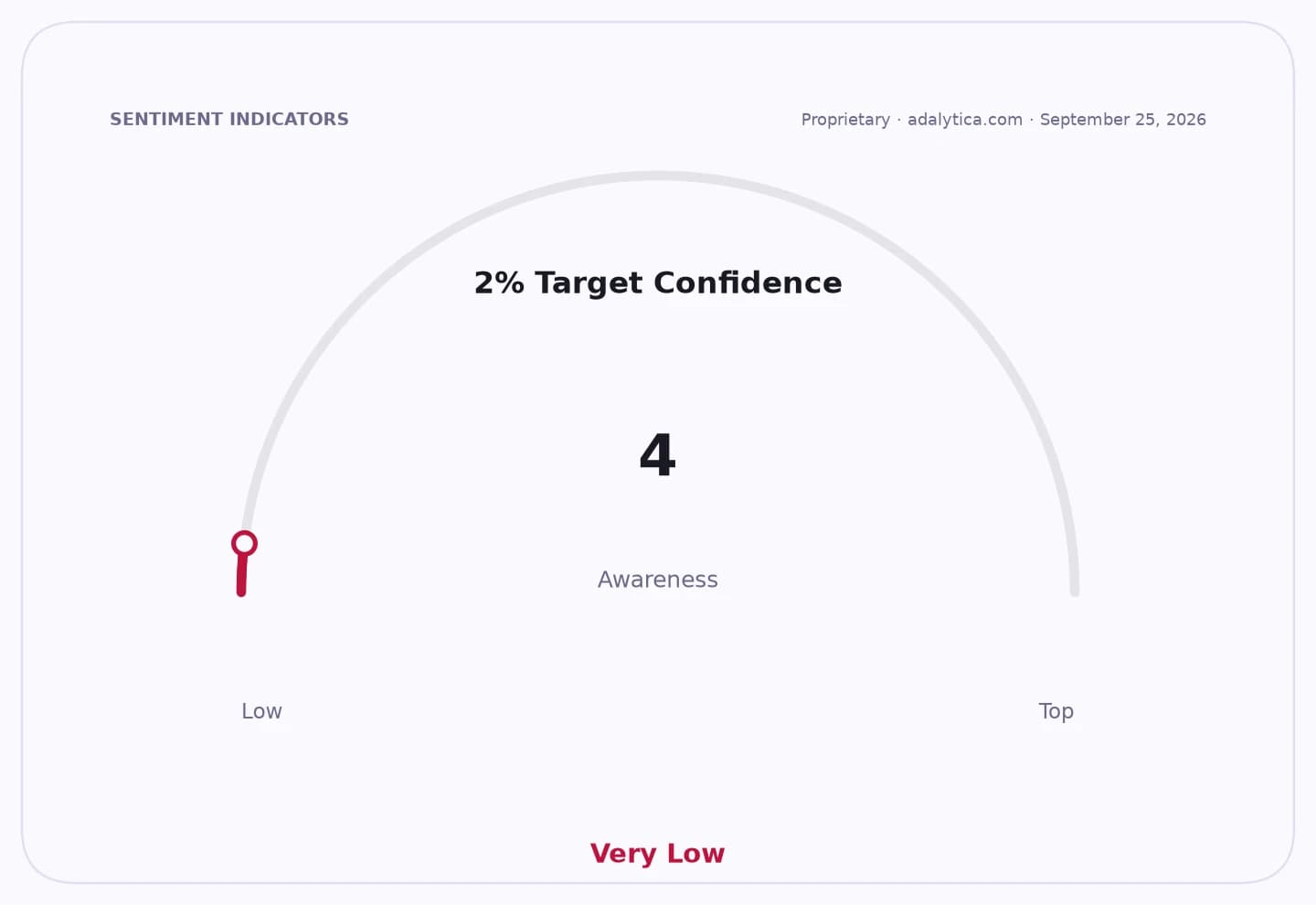
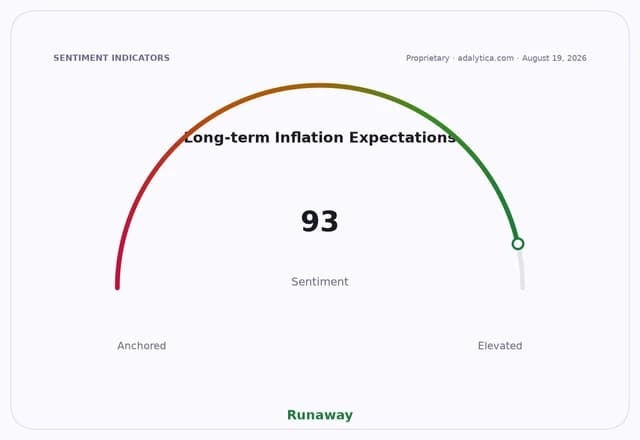
Adalytica’s inflation-confidence gauges also show investors are rethinking the target path, with sentiment on the Federal Reserve’s 2% inflation objective and 5-year breakevens both in “extreme greed” territory — a signal that markets are again paying close attention to sticky price risks rather than assuming a smooth glide back to target. While those indicators are U.S.-focused, the message is relevant for London as well: inflation expectations can harden quickly when energy costs rise and policymakers appear constrained.
For investors, the key issue is not just the July number itself but whether it marks the start of a renewed inflation wobble that limits central banks’ ability to cut rates. UK government bond traders, rate-sensitive equities and domestic consumer names are most exposed if inflation stays near 3% rather than drifting back toward target. That would support higher-for-longer discount rates and keep pressure on sectors reliant on cheap financing or resilient real incomes.
The counterargument is that this may prove a temporary energy-led bump rather than a fresh inflation cycle. Grocery inflation has eased to its softest level since October 2024, and core measures appear comparatively stable. But with regulated energy costs now doing the damage, the burden of proof shifts to the disinflation camp: investors will want to see whether the July rise feeds into services, wages and expectations, or fades before forcing the BoE into a more hawkish posture.
| Entity | Gains | Losses |
|---|---|---|
| UK energy suppliers | ▲Higher billed revenue | ▼Political scrutiny |
| Bank of England hawks | ▲Stronger case for caution | ▼Dovish rate-cut bets |
| Gilt yields | ▲Support from sticky inflation | ▼Bond prices |
| UK households | ▲None | ▼Higher living costs |