UK wage growth slowed in the three months to September, reinforcing signs that Britain’s labour market is cooling just as the Bank of England weighs whether inflation pressures are easing enough to justify a slower pace of tightening.
UK wage growth slows as BoE weighs December hike
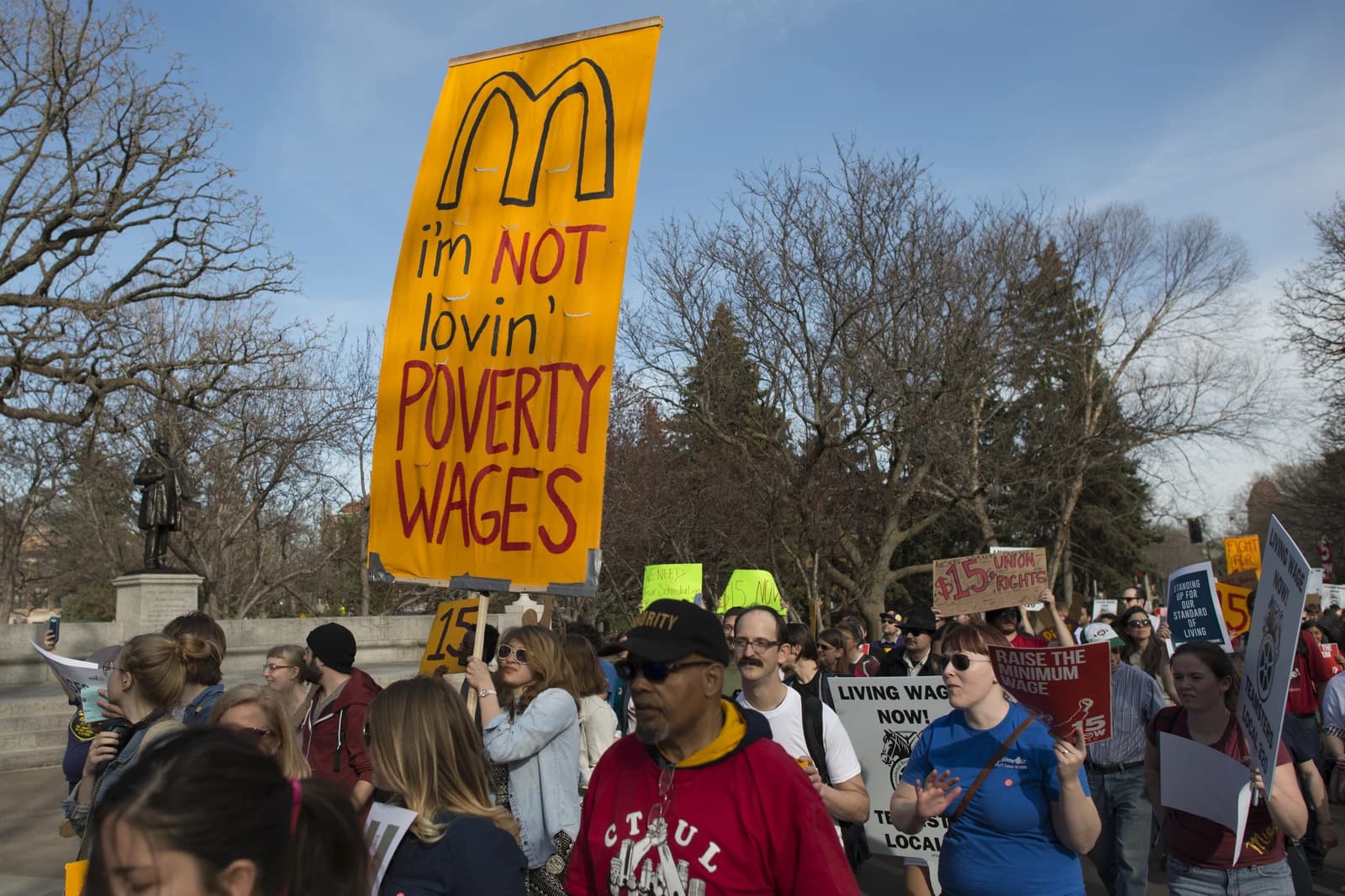
Average weekly earnings excluding bonuses rose 3.5% from a year earlier, down from 3.7% in the three months to August and a touch below the 3.6% economists had expected. The figures matter because pay growth has been one of the BoE’s most closely watched gauges of domestic inflation, especially with energy prices and broader cost pressures still feeding through the economy.
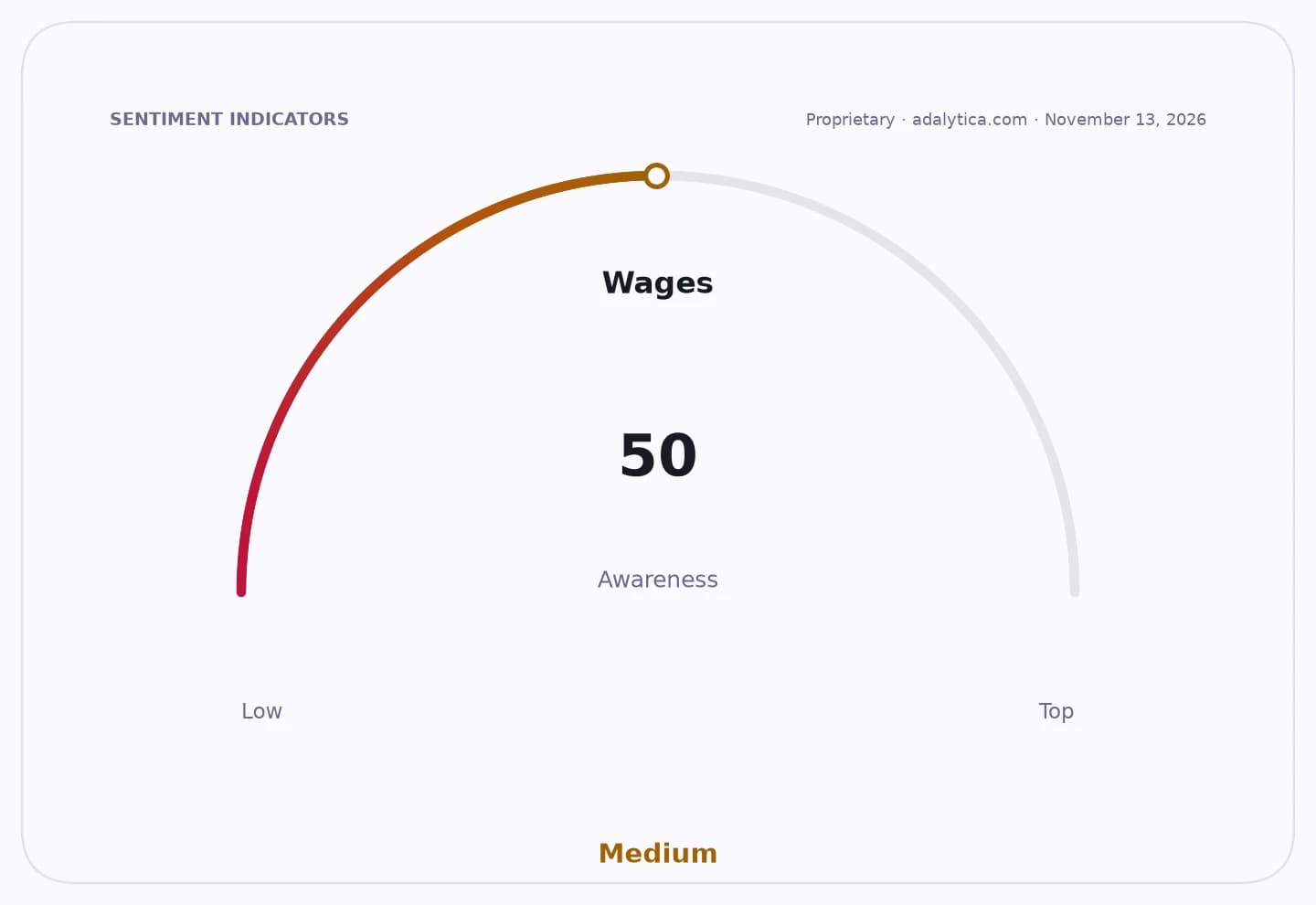
Sentiment Indicators
The data, however, are not a clean signal that wage inflation has broken decisively lower. Private-sector pay growth excluding bonuses, which policymakers often view as the better read on underlying earnings momentum, was unchanged at 3.1%. At the same time, the jobless rate unexpectedly dipped to 4.6% from 4.7%, suggesting employers are still reluctant to shed staff even as vacancies fall.
That mixed picture helps explain why markets continue to assign a high probability to another BoE rate increase in December. Traders are pricing about a 90% chance of a hike, with expectations for more policy tightening later in 2027. For investors, the key issue is whether wages are easing fast enough to relieve pressure on inflation and gilt yields, or whether persistent pay growth will force the central bank to keep rates higher for longer.

There are signs the jobs market is losing momentum. Vacancies fell by 22,000 in the three months to October to 690,000, the sharpest quarterly decline in more than a year, while payroll data showed the number of employees on company books dropped by a provisional 34,000 in October after rising in September. That suggests labour demand is softening even if layoffs remain limited.
For the BoE, the implications are straightforward: slower headline pay growth is welcome, but not yet decisive. Public-sector pay timing continues to distort the aggregate reading, and the 3.1% private-sector pace may keep policymakers cautious about declaring victory over wage-driven inflation. For markets, the report supports a narrow path: sterling and short-dated rates can stay firm if the BoE stays hawkish, but any further deterioration in hiring could quickly shift the focus from wage stickiness to growth risk.
The next test is whether falling vacancies and weaker payrolls start to show up in lower private-sector wage settlements. If they do, investors may begin to bring forward expectations for policy easing. If not, the BoE is likely to keep stressing that wage growth remains too elevated to comfortably return inflation to target.
| Entity | Gains | Losses |
|---|---|---|
| Bank of England | ▲More evidence of cooling wages | ▼Less room to cut rates |
| Borrowers | ▲Relief if wage inflation eases | ▼Higher-for-longer rates |
| Savers / gilt holders | ▲Higher short-term yields | ▼Limited if growth weakens |
| UK employers | ▲Softer labour market pressure | ▼Weaker demand for hiring |