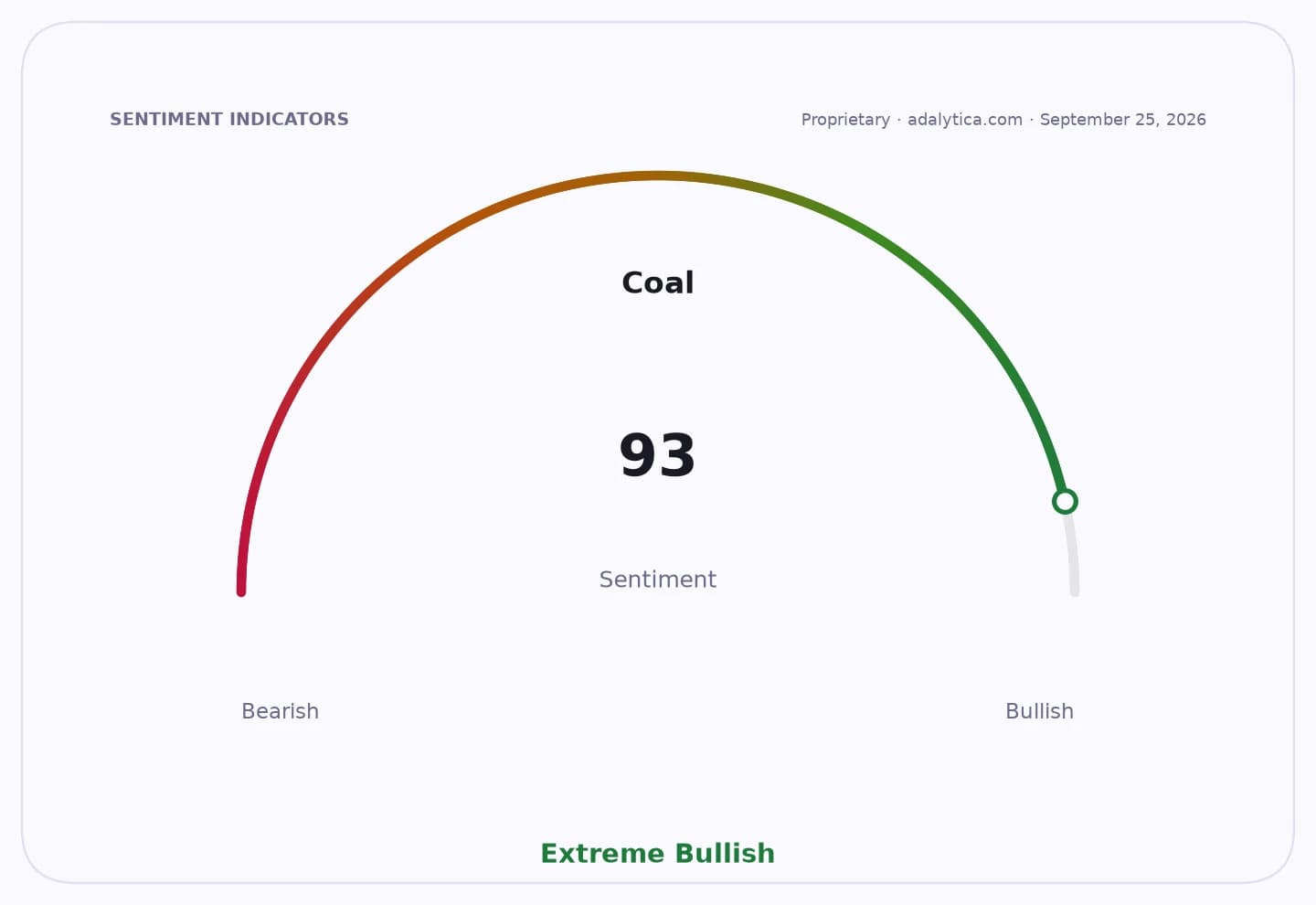
Gas stations in Ukraine’s Dnipropetrovsk region are reducing fuel stored in their tanks to limit losses in the event of Russian attacks, a sign that the war is reshaping not just energy supply but the economics of retail fuel distribution.
Ukraine Fuel Retailers Cut Inventories Amid Strike Risk
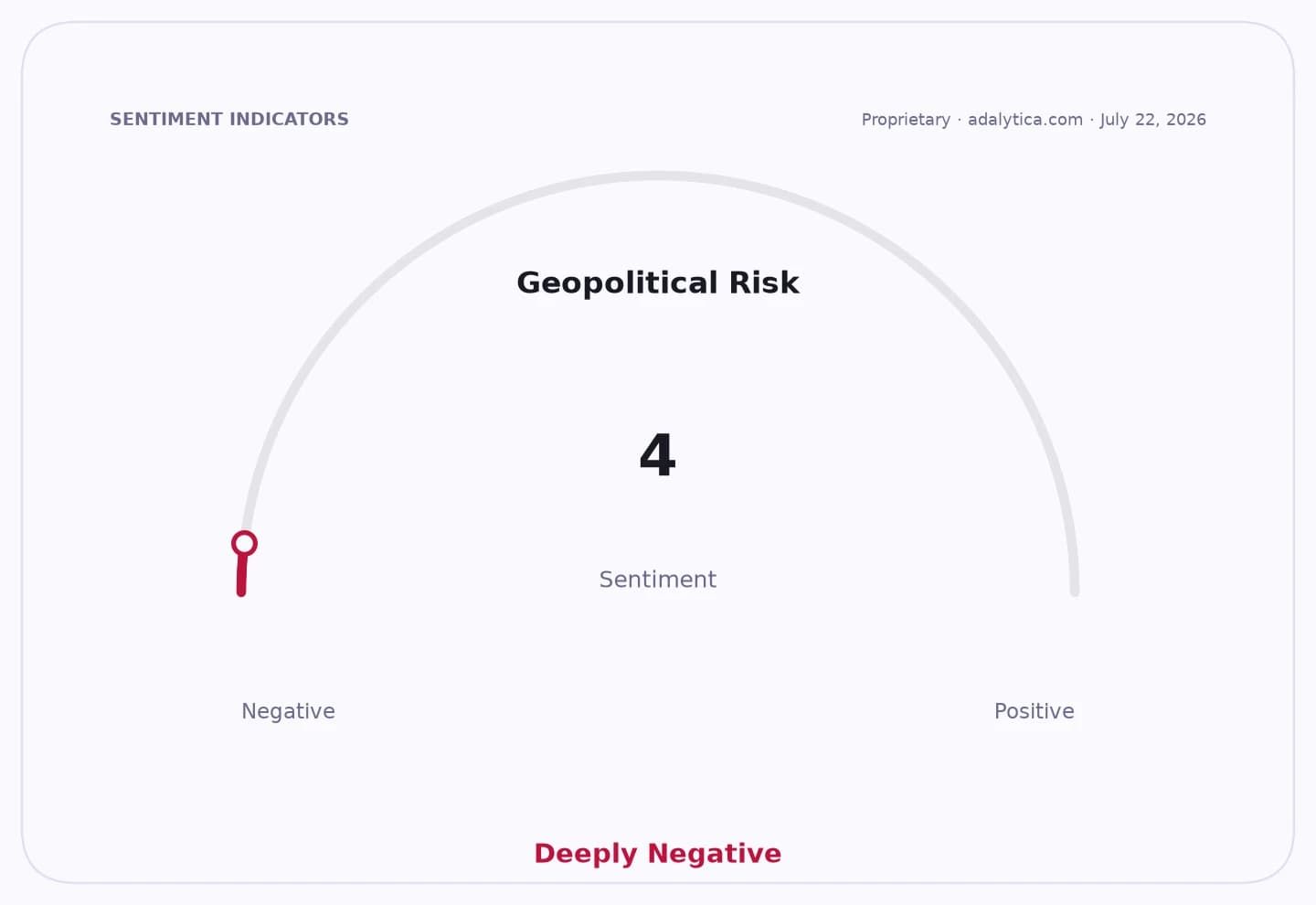
The move matters because it shifts the burden of wartime risk deeper into the fuel chain. Lower on-site inventories can reduce the chance of catastrophic losses from strikes, but they also make the network less resilient, increase the odds of local shortages and raise operating costs for retailers that must replenish more frequently. In a market already strained by disrupted imports and distribution bottlenecks, thinner storage leaves less room to absorb shocks.
The broader fuel supply picture remains fragile. Reports of empty pumps, long queues and import interruptions have underscored how quickly regional demand can outstrip available supply when logistics are hit. A fuel retailer with less inventory on hand is safer from destruction, but it is also more exposed to price swings and supply delays, particularly if trucks, depots or cross-border routes are disrupted.
That dynamic has implications well beyond one region. Producers and distributors are being forced into defensive operating strategies, while governments and business groups are increasingly intervening with sales restrictions, subsidized supply schemes or below-market fuel offers to keep essential activity moving. The result is a market where scarcity, not just price, is becoming the key constraint.
For investors, the story reinforces the value of companies and supply chains with storage flexibility, diversified logistics and access to stable import channels. It also highlights the earnings risk for retailers and transport-heavy businesses if the crisis persists: lower volumes, tighter margins and higher working capital needs can all follow when firms are forced to run lean inventories. At the same time, the situation can support better pricing power for integrated suppliers with scale and logistics control.
Chevron, Exxon Mobil and BP have all seen their shares react in line with the wider energy complex as geopolitical risk and supply concerns have kept attention on upstream exposure and downstream resilience. Chevron’s recent technical strength, with the stock trading above its 50- and 200-day moving averages, suggests investors continue to favor large-cap energy names as hedges against supply disruption. Exxon and BP have shown similar momentum, though short-term oscillations point to an already crowded trade.
The key question is whether the region’s fuel system can maintain enough throughput with reduced storage to avoid repeated local shortages. If attacks intensify or logistics worsen, retailers may have to choose again between safety and supply, a trade-off that could keep fuel markets volatile well into the winter.
| Entity | Gains | Losses |
|---|---|---|
| Fuel retailers in Dnipropetrovsk | ▲lower strike losses | ▼thinner inventory buffers |
| Consumers and local businesses | ▲safer retail sites | ▼higher shortage risk |
| Integrated oil majors | ▲geopolitical risk premium | ▼weaker if disruption eases |
| Logistics and storage operators | ▲demand for flexible supply | ▼higher operating pressure |