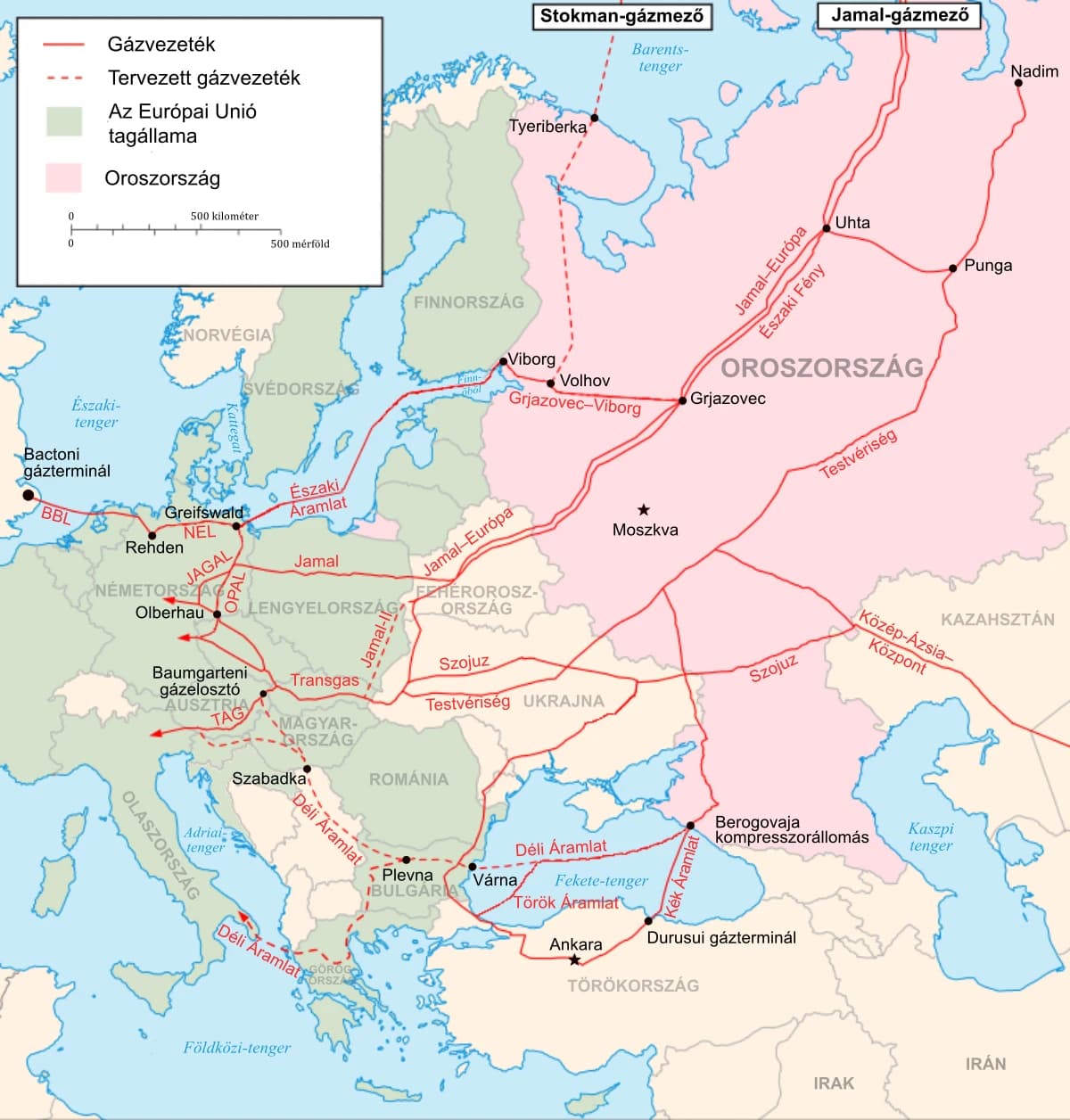
Ukraine has begun withdrawing natural gas from underground storage with 15.97 billion cubic meters in reserve, the biggest pre-winter stockpile in three years and enough to exceed the government’s target by 1.37 billion cubic meters.
Ukraine Gas Storage Reaches 3-Year High
Geopolitical Risk
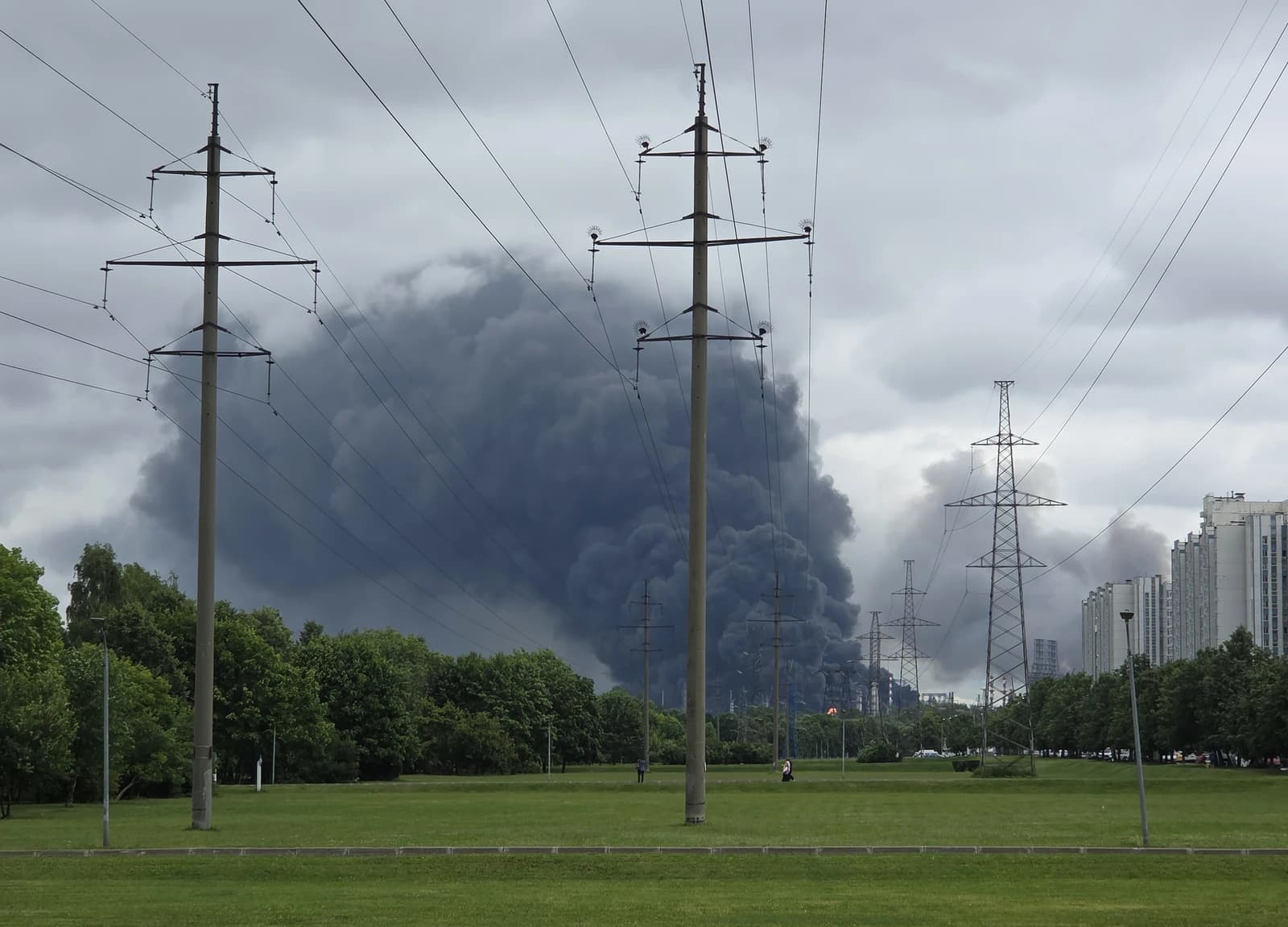
That matters because gas storage is one of Kyiv’s most important buffers against Russian attacks on energy infrastructure as temperatures fall. The stronger-than-planned inventory reduces the immediate risk of shortages, lowers the odds of emergency imports and gives Ukraine more flexibility if domestic production is disrupted again.
Sentiment Indicators
The country started the withdrawal season on Oct. 29, with stocks 20% higher than a year earlier. On the first day, withdrawals exceeded injections by 0.6 million cubic meters, and by Oct. 30 the net withdrawal had risen to 4.8 million cubic meters, according to the data cited by Dilo.
Ukraine’s storage sites were 51.6% full at the start of the season. That compares with 13.26 billion cubic meters ahead of the previous winter and 12.92 billion cubic meters in 2024, while the 2023 level was slightly higher at 16.62 billion cubic meters.
The buildout came after a 232-day injection season that ran from March 11 to Oct. 28, 31 days longer than last year. Net injections totaled 6.53 billion cubic meters, down 17.3% from the prior season, largely because Ukraine entered the refill period with more gas left after winter at 9.49 billion cubic meters versus 5.41 billion a year earlier.
Of the current inventory, 11.23 billion cubic meters is technologically active gas available for withdrawal, while 4.98 billion cubic meters sat in customs storage and has been declining through re-exports. Future withdrawals will depend on weather, domestic demand, re-export flows and the resilience of Ukrainian production, which remains exposed to Russian strikes.
For investors, the immediate read-through is not a direct trade in Ukrainian gas, but a broader signal for European energy stability, LNG demand and gas-price volatility. U.S. gas proxy UNG has fallen to $9.31, while the oil and broader energy complex remain sensitive to geopolitical headlines, with Adalytica’s global stability gauge still showing elevated risk even as market fear in oil remains muted.
The next test is winter weather and whether Russian strikes force Ukraine back into heavier imports, which would tighten regional gas balances and keep energy markets on edge.
| Entity | Gains | Losses |
|---|---|---|
| Ukraine | ▲better winter buffer | ▼lower margin for error |
| European gas market | ▲less near-term supply stress | ▼less upside from panic buying |
| LNG suppliers / importers | ▲steadier demand planning | ▼fewer emergency spikes |
| Energy consumers in Ukraine | ▲lower shortage risk | ▼still exposed to attack-related disruption |