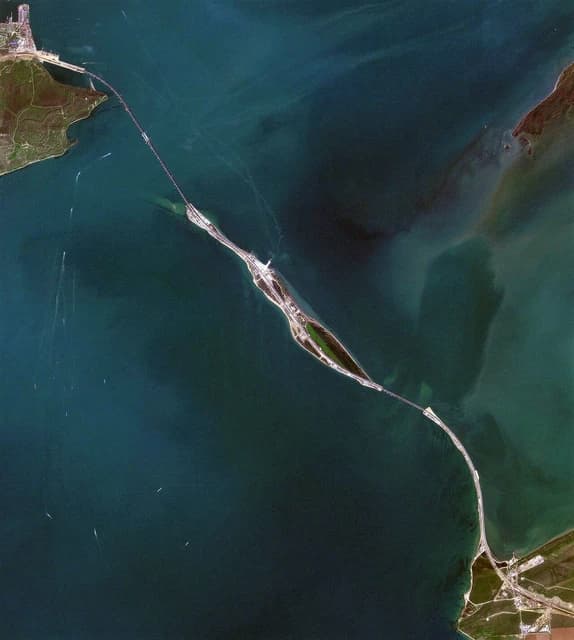
Russia’s attack on a strategic bridge in Ukraine is intensifying the pressure on Kyiv’s grain export system and accelerating a costly shift toward alternative routes through Romania at a time when global food markets are already fragile.
Ukraine grain exports shift to Romania after bridge strike
The strike matters because Ukraine remains one of the world’s key grain suppliers, and every disruption to its export corridors tightens supply, raises logistics costs and threatens state revenue in a war economy that depends heavily on farm shipments. With seaborne flows under threat and storage space becoming a constraint after a weak harvest, the country has less room to absorb another hit to its transport network.
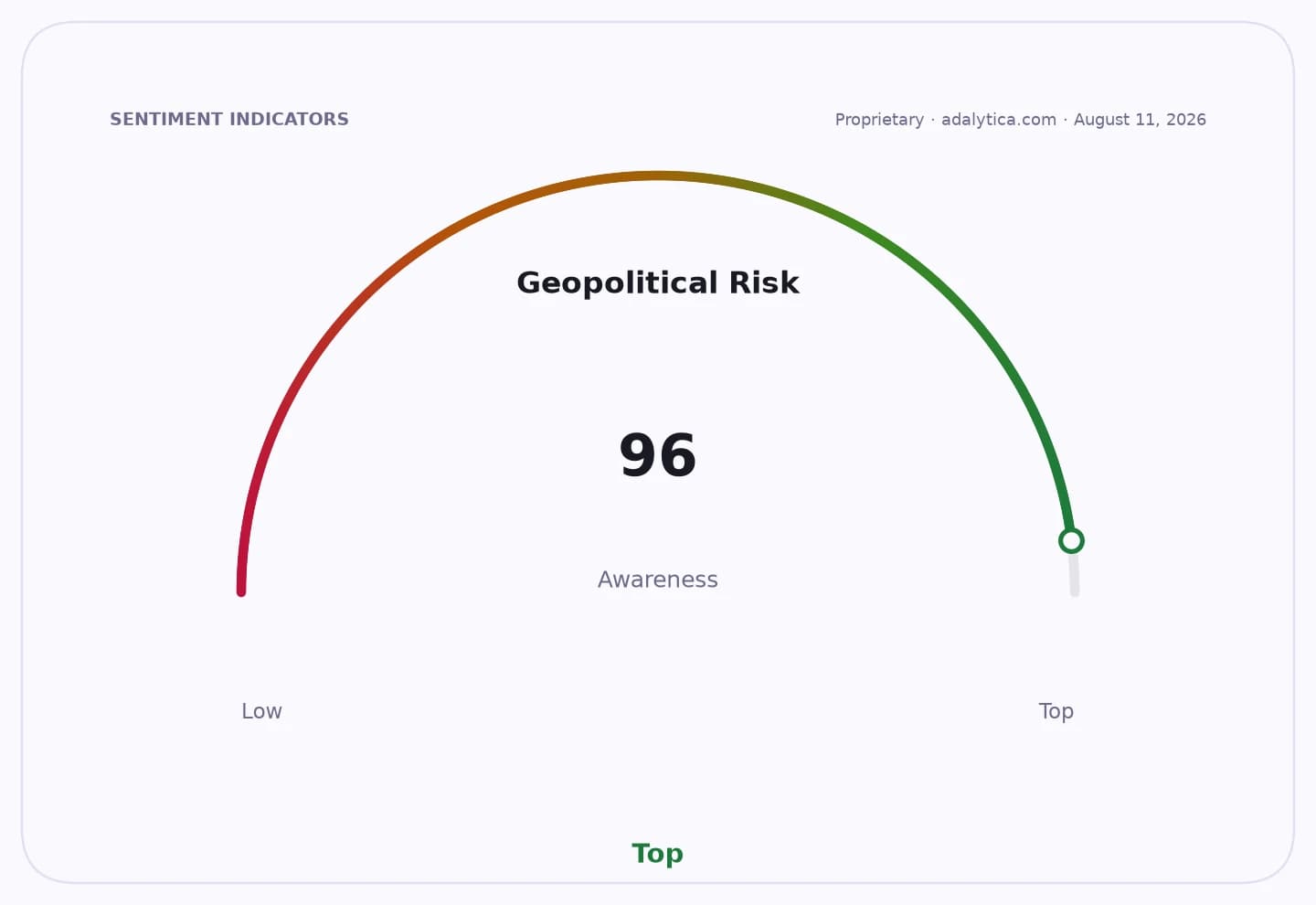
Sentiment IndicatorsⓘProprietary · adalytica.com · August 11, 2026
This is a snapshot — live sentiment, awareness and momentum for 130+ markets update continuously in the dashboard.Open AlphaPulse
Kyiv has already cut its grain export outlook as Russian attacks increasingly target port infrastructure, especially around Odesa. The result is not just a military setback but an economic one: an estimated $3 billion blow to grain exports, according to the context provided, with losses compounded by drought-related production damage. That combination is forcing traders, shippers and state planners to rely more on overland and Danube-linked routes, including through Romania, even though those corridors cannot fully replace the scale and efficiency of Black Sea shipping.
For investors, the immediate read-through is twofold. First, grain prices can stay supported as a reduced and more uncertain Ukrainian export flow keeps a risk premium in the market. Second, companies exposed to grain handling, storage, rail and alternative freight routes could benefit from rerouted volumes, even as the broader agricultural complex absorbs higher transport costs and operational friction. ETF moves in agribusiness and grain markets have reflected the tension: wheat-focused products have held above key moving averages after sharp swings, while corn and broad agriculture funds have also remained relatively firm, suggesting traders are still pricing supply risk rather than a clean normalization.
The broader macro backdrop makes the disruption more important. Brent and oil markets are not the direct story here, but the same geopolitical stress that has pushed global stability gauges into extreme-greed territory also reinforces the premium on supply-chain resilience. When a major exporter is forced to divert trade because its primary routes are under attack, the spillover reaches importers from the Middle East to North Africa, where food inflation can quickly become a political issue.
Romania’s role as an alternative corridor is therefore less a neat solution than a pressure valve. It may help Ukraine move more grain, but it will likely do so at higher cost, through constrained infrastructure and with more dependence on neighboring states and international coordination. That limits how much of the lost Black Sea capacity can be recovered in the near term.
For investors, the key question now is whether alternative routes can scale fast enough to prevent a deeper storage and export bottleneck before the next seasonal shipment window closes. If not, the market will keep pricing a prolonged supply shock — one that supports grain assets and freight-sensitive businesses, while weighing on farmers, Ukrainian export earnings and food importers worldwide.
| Entity | Gains | Losses |
|---|---|---|
| Romania transit routes | ▲Higher transit volumes | ▼Infrastructure strain |
| Ukrainian exporters | ▲Alternative outlet | ▼Higher logistics costs |
| Grain bulls / ag ETFs | ▲Supply-risk premium | ▼Upside if exports normalize |
| Importers / food buyers | ▲Limited diversification | ▼Higher food and freight costs |