Ukraine is set for another change at the Defense Ministry, a turnover that underscores the strain of a war now in its fifth year and keeps uncertainty high over Kyiv’s ability to sustain military supply, procurement and battlefield command.
Ukraine Leadership Churn Sustains Risk-Off Bias
The shift comes after Prime Minister Denys Shmyhal resigned and Defense Minister Rustem Umerov delivered a farewell address to the public, signaling a broader political reset at a time when Russian forces are pressing their advantage. For investors, the leadership churn matters because any disruption in Ukraine’s defense chain can affect Western aid flows, wartime logistics and the market’s broader read on European security risk.

The geopolitical backdrop is deteriorating. Russian troops have bypassed Ukrainian defenses near Sumy, Moscow has intensified strikes on Kyiv, and the conflict remains stuck with no clear diplomatic breakthrough. That combination keeps pressure on European policymakers to sustain military support and on markets to price in a longer war.
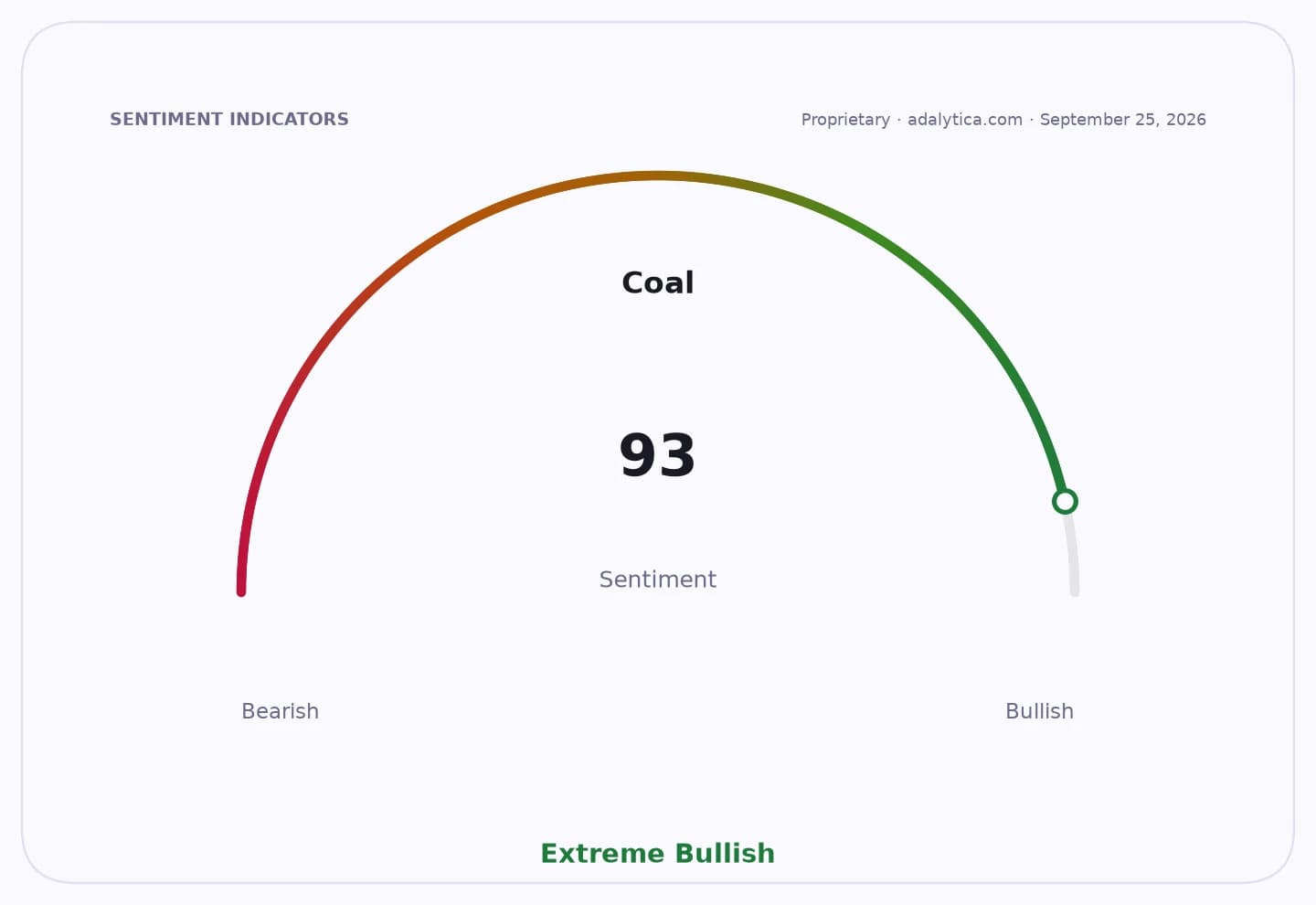
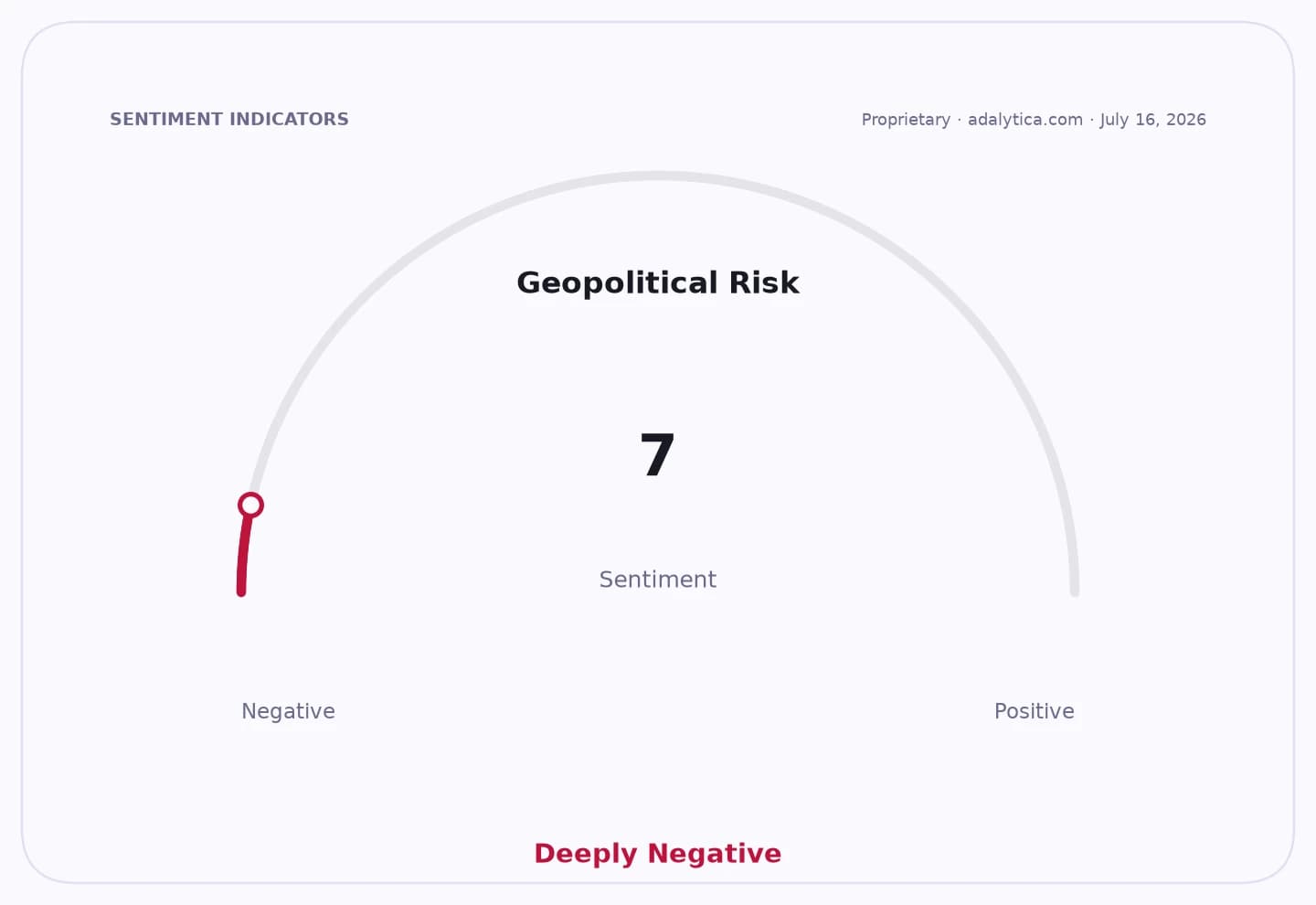
Adalytica’s Global Stability Sentiment gauge shows extreme fear at 7, down 93 points over 30 days, while awareness remains at 89, indicating the market is highly alert to the conflict even as confidence collapses. That kind of risk backdrop tends to support safe-haven demand, including yen-linked assets such as the iShares MSCI Japan ETF, while weighing on broader risk appetite in emerging markets.
The yen proxy FXY has slipped to 56.53 from 60.36 in late January, but it remains below its 50-day moving average of 57.33 and its 200-day average of 58.58, with RSI readings around 46 and MACD still negative. EEM, by contrast, closed at 65.57, also just under its 50-day average of 66.94, after losing momentum from a June peak near 69.75 as geopolitical stress and a stronger defensive bid have kept pressure on risk assets.
With leadership changes now landing alongside battlefield setbacks, investors will be watching whether Kyiv can keep military aid, cabinet continuity and domestic political stability aligned as the war’s costs rise and negotiations remain stalled.
| Entity | Gains | Losses |
|---|---|---|
| Ukraine leadership reset | ▲room to reshuffle strategy | ▼continuity and execution risk |
| Russia | ▲pressure on Kyiv increases | ▼none meaningful in near term |
| European defense supporters | ▲justification for aid | ▼budget strain and security risk |
| Risk assets / EEM | ▲limited safe-haven spillover if war stabilizes | ▼broader risk-off pressure |