Hackers who obtained data on the luxury real estate holdings of Ukrainian officials have done more than expose private wealth: they have created a new vulnerability in the war’s political and financial architecture.
Ukraine Leak Raises Governance Risk
The breach matters because property ownership by senior officials is not just a privacy issue. In a country fighting for survival, any evidence of undeclared assets, offshore structures or elite wealth accumulation can sharpen scrutiny from Western backers, embolden domestic critics and complicate Kyiv’s efforts to preserve trust with lenders, donors and voters. It also gives hostile actors another lever in an information war that increasingly targets the legitimacy of institutions as much as the battlefield.
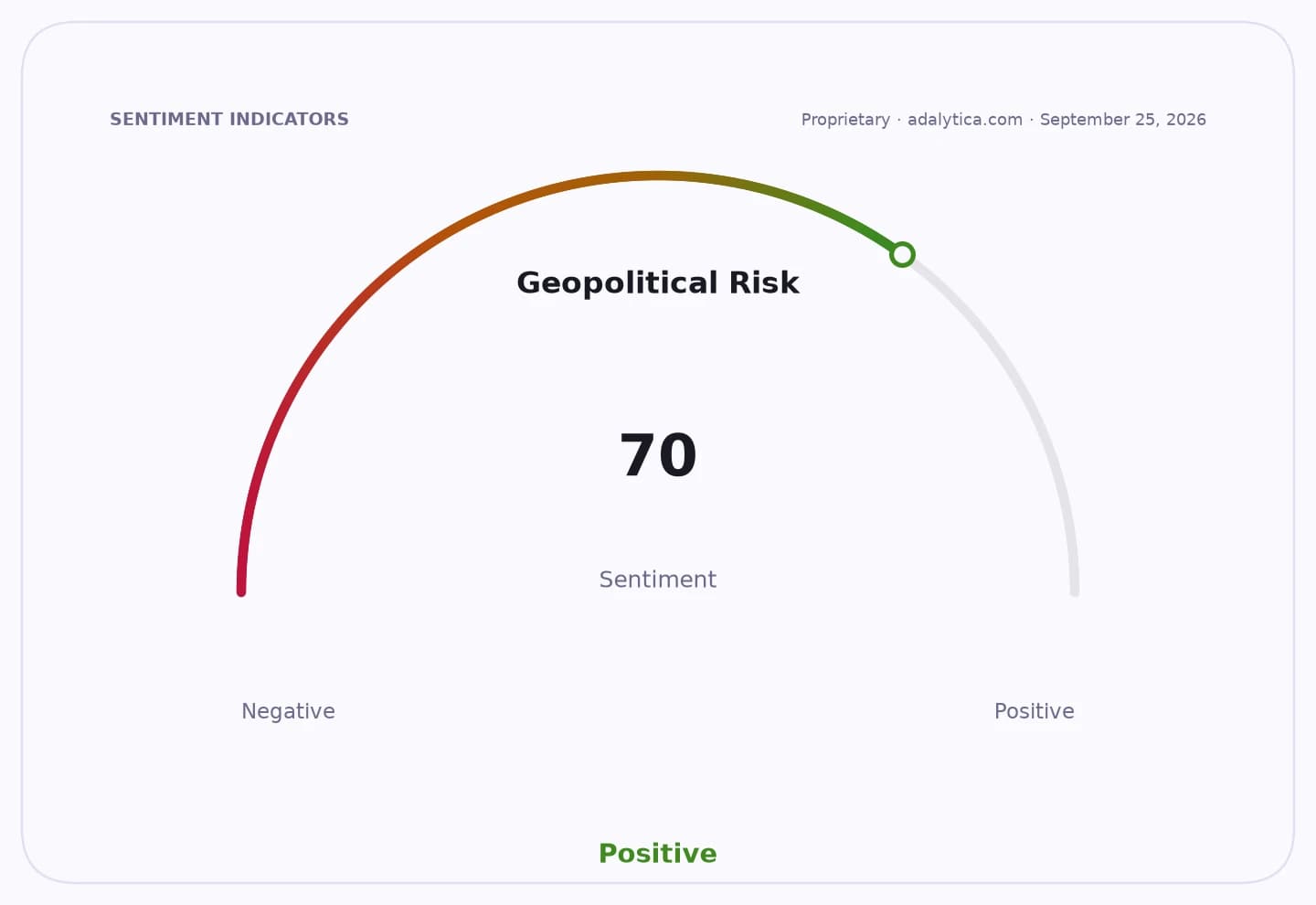
Sentiment IndicatorsⓘProprietary · adalytica.com · July 17, 2026
This is a snapshot — live sentiment, awareness and momentum for 130+ markets update continuously in the dashboard.Open AlphaPulse
For investors, the episode is a reminder that geopolitical risk in Ukraine extends beyond front-line military developments. Cyberattacks that spill into elite financial records can unsettle perceptions around governance, anti-corruption enforcement and continuity of support from the EU, the US and multilateral creditors. Those factors matter for the sovereign risk premium, for reconstruction financing and for any assets tied to Ukraine’s postwar recovery.
The story also sits inside a broader pattern: state-linked and criminal hacking campaigns are increasingly used to extract strategic leverage from sensitive data, whether the target is critical infrastructure, election systems or high-value individuals. The recent rash of breaches underscores how data exposure can quickly migrate from a technical incident to a political and economic problem.
In market terms, the immediate impact is indirect, but the second-order effects are not. Higher perceived governance risk can slow donor disbursements, raise compliance costs and make investors more cautious about exposure to Ukrainian property, infrastructure and reconstruction-related opportunities. At the same time, the leak may strengthen the case for tighter asset disclosure rules and more aggressive counterintelligence and cyber defenses, which could help restore confidence if Kyiv responds forcefully.
The key question now is whether the breach becomes a one-off embarrassment or the start of a wider exposure campaign. If more material surfaces, the pressure on officials, institutions and Ukraine’s external financing narrative could intensify quickly; if authorities contain the fallout, the event may instead reinforce the urgency of strengthening cybersecurity and transparency in a country where both are now economic as well as security imperatives.
| Entity | Gains | Losses |
|---|---|---|
| Hackers | ▲leverage from leaked data | ▼exposure risk if identified |
| Ukrainian officials | ▲none | ▼privacy, credibility, political trust |
| Western donors/lenders | ▲stronger transparency pressure | ▼higher governance risk |
| Reconstruction investors | ▲clearer diligence focus | ▼elevated country risk premium |