Kyiv’s effort to court America’s right wing is becoming a real strategic variable for Ukraine, because the biggest economic and geopolitical risk to the country is not just battlefield pressure but the possibility of fading U.S. support under a second Trump era.
Ukraine Courts MAGA to Reduce Aid Risk
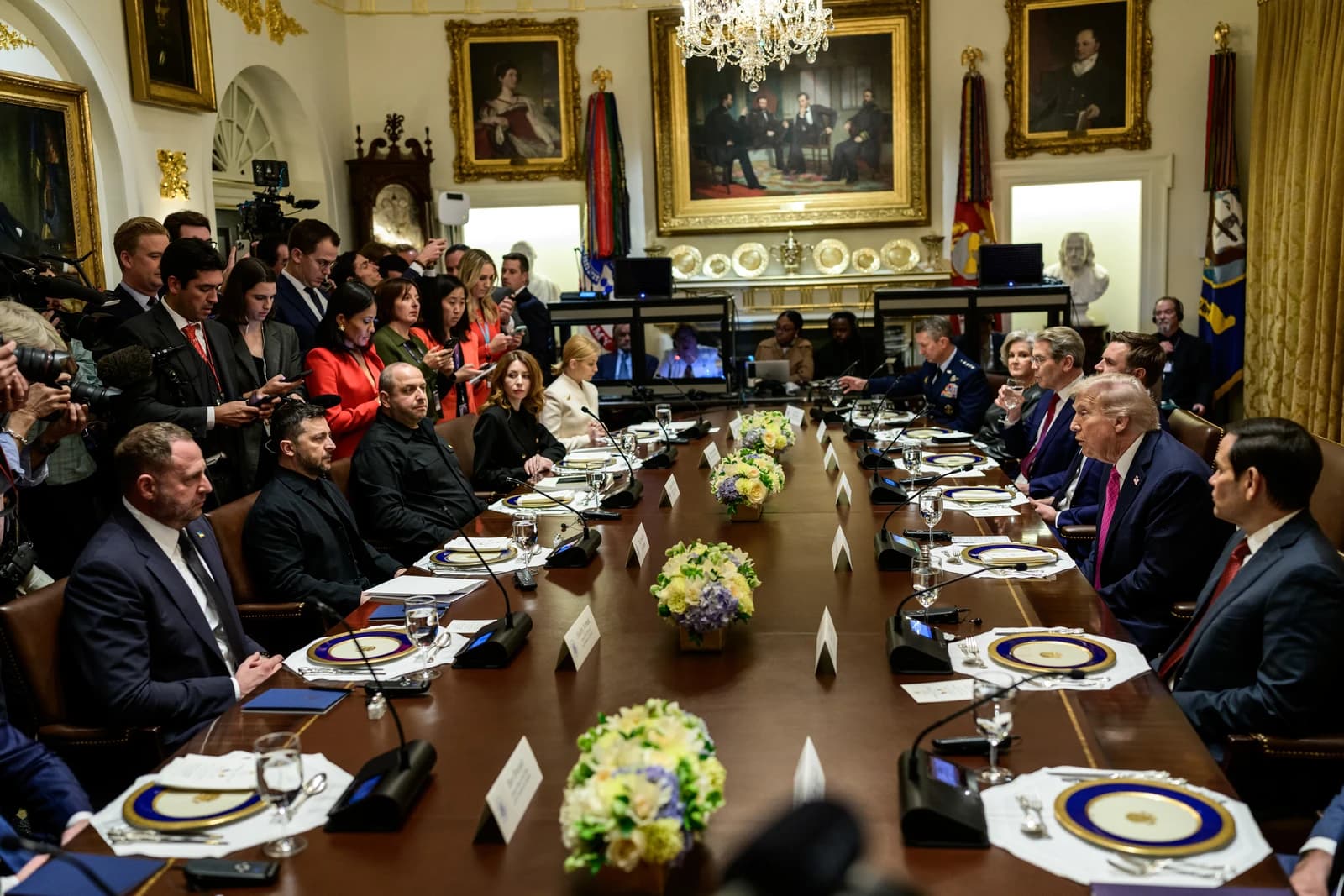
That is why the shift by Laura Loomer, a far-right activist who had long been hostile to Ukraine, matters. Kyiv is not merely chasing headlines or trying to soften its image. It is trying to build relationships with the podcasters, polemicists and influencers who help shape the Republican base — the same ecosystem that can pressure lawmakers, frame aid as a partisan issue and ultimately influence how much military, financial and diplomatic backing Ukraine can count on.
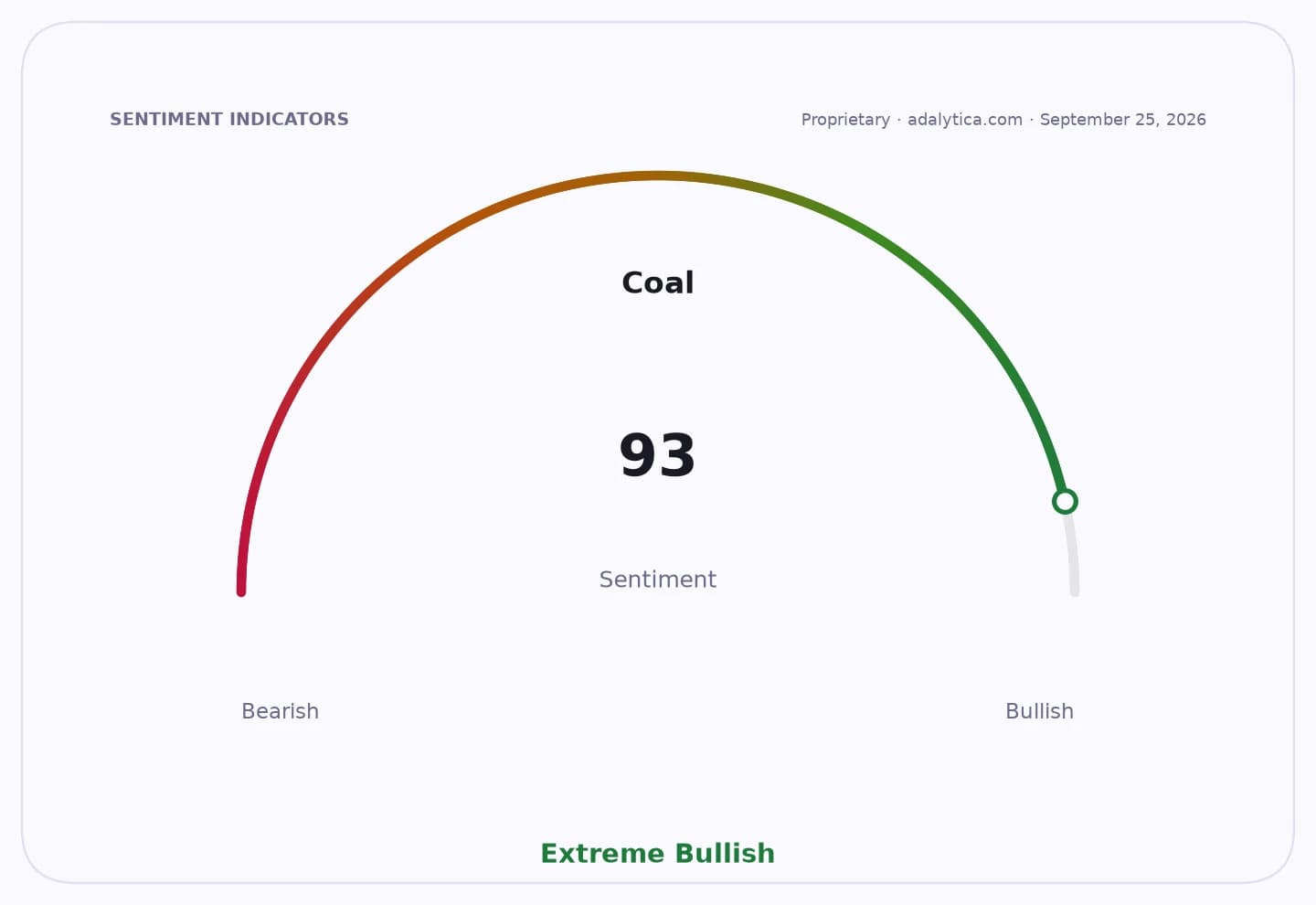
Sentiment IndicatorsⓘProprietary · adalytica.com · July 29, 2026
This is a snapshot — live sentiment, awareness and momentum for 130+ markets update continuously in the dashboard.Open AlphaPulse
For investors, the message is simple: Ukraine’s war economy remains tethered to Washington. Any sign that Kyiv can protect that pipeline lowers the odds of a sudden policy shock that could rattle European defense names, sovereign-risk pricing and broader sentiment around geopolitical risk. Any sign that it cannot would do the opposite, especially if aid debates become more openly tied to domestic U.S. politics.
The timing is telling. Since Donald Trump’s victory, Kyiv has been forced to think less like a wartime government and more like a political campaign. Winning over conservative media voices is a hedge against the possibility that formal diplomatic channels become less reliable. In that sense, the outreach is not about ideology; it is about survival. Ukraine needs to widen the coalition that defends continued support, even if that means speaking to audiences that once looked unfriendly or even hostile.
Laura Loomer’s reversal is the most eye-catching example because it shows how fluid this field can be. If one of the most visible anti-Ukraine voices can move, even modestly, then Kyiv has at least a chance of blunting the hard edges of Republican skepticism. That does not guarantee policy change in Washington, but it can shape the narrative environment in which policy is made.
There is also a broader market lesson here. Geopolitical risk often turns on perception before it changes in budgets or troop movements. Ukraine’s campaign is aimed at perception. If it succeeds, the probability of a sharp aid disruption falls. If it fails, investors may have to price a less predictable path for U.S. support, with knock-on effects for European security assets and any companies exposed to reconstruction, defense procurement and the energy-security rebuild tied to Ukraine’s future.
The stock market does not trade on outreach alone, but it does trade on the durability of institutions and alliances. Kyiv understands that the fight for American support is now part of the war effort. For long-term investors, that makes Ukraine’s MAGA outreach worth watching closely — not as political theater, but as a signal of how resilient the Western coalition really is.
| Entity | Gains | Losses |
|---|---|---|
| Ukraine | ▲Better odds of U.S. support | ▼Less room for anti-aid narrative |
| MAGA influencers | ▲More political relevance | ▼Less monopoly on Ukraine skepticism |
| U.S. aid supporters | ▲Broader coalition for funding | ▼Need to manage party backlash |
| Defense-linked investors | ▲Lower policy-shock risk | ▼Higher volatility if outreach fails |