Volodymyr Zelensky’s move to update Ukraine’s government personnel policy and reshuffle ministries matters because Kyiv is trying to do more than swap faces: it is trying to prove it can still govern effectively in wartime.
Ukraine reshuffle tests wartime governance
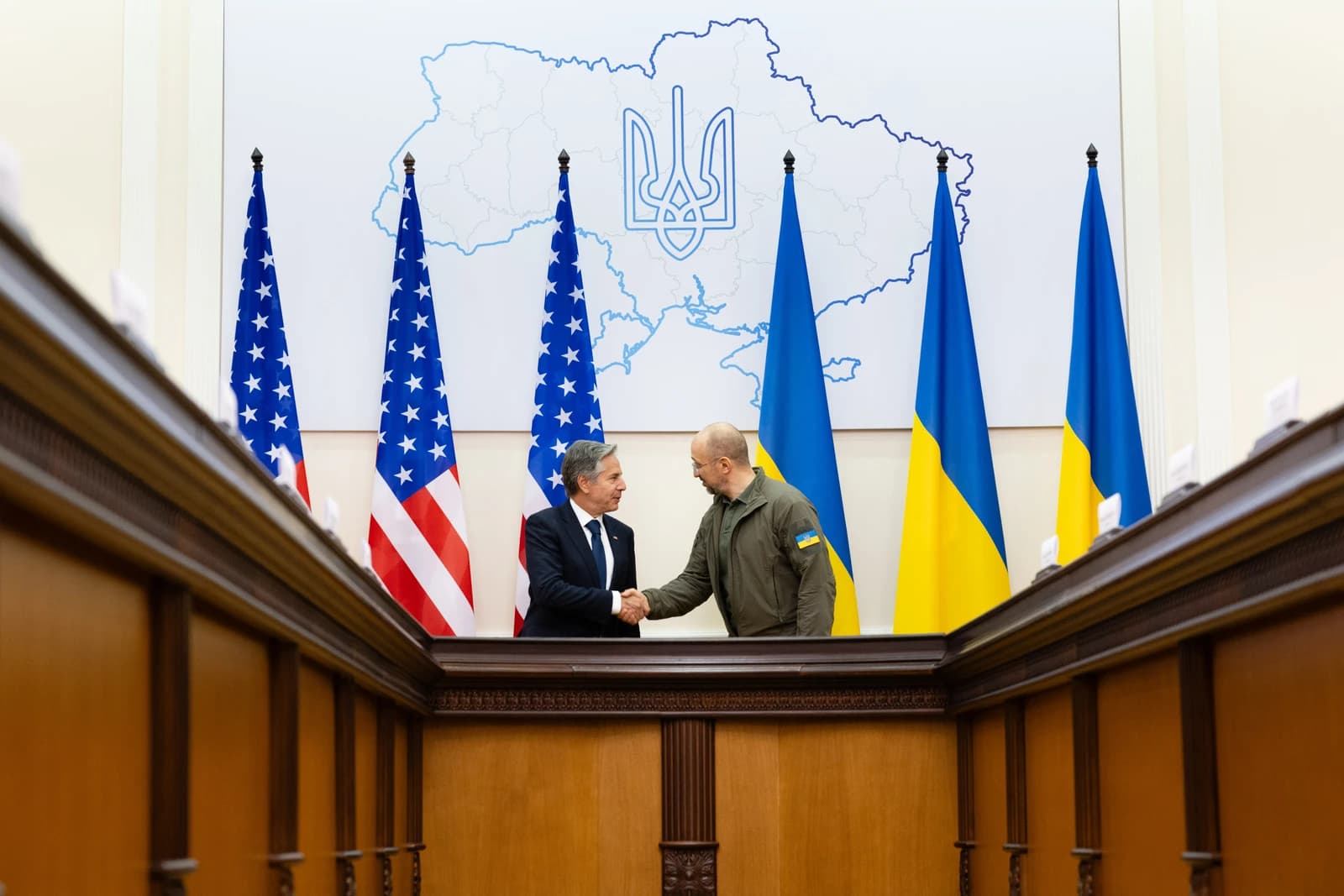
That is the real economic story here. In a country fighting for survival, cabinet changes are not just political theater. They can decide how quickly aid is absorbed, how efficiently ministries execute spending, how consistently reforms move forward and how credible Ukraine remains to its Western backers. For investors, that makes the reshuffle relevant far beyond domestic politics. It shapes the odds that Ukraine can keep unlocking international support, maintain state functionality and preserve the policy discipline needed for reconstruction financing later on.
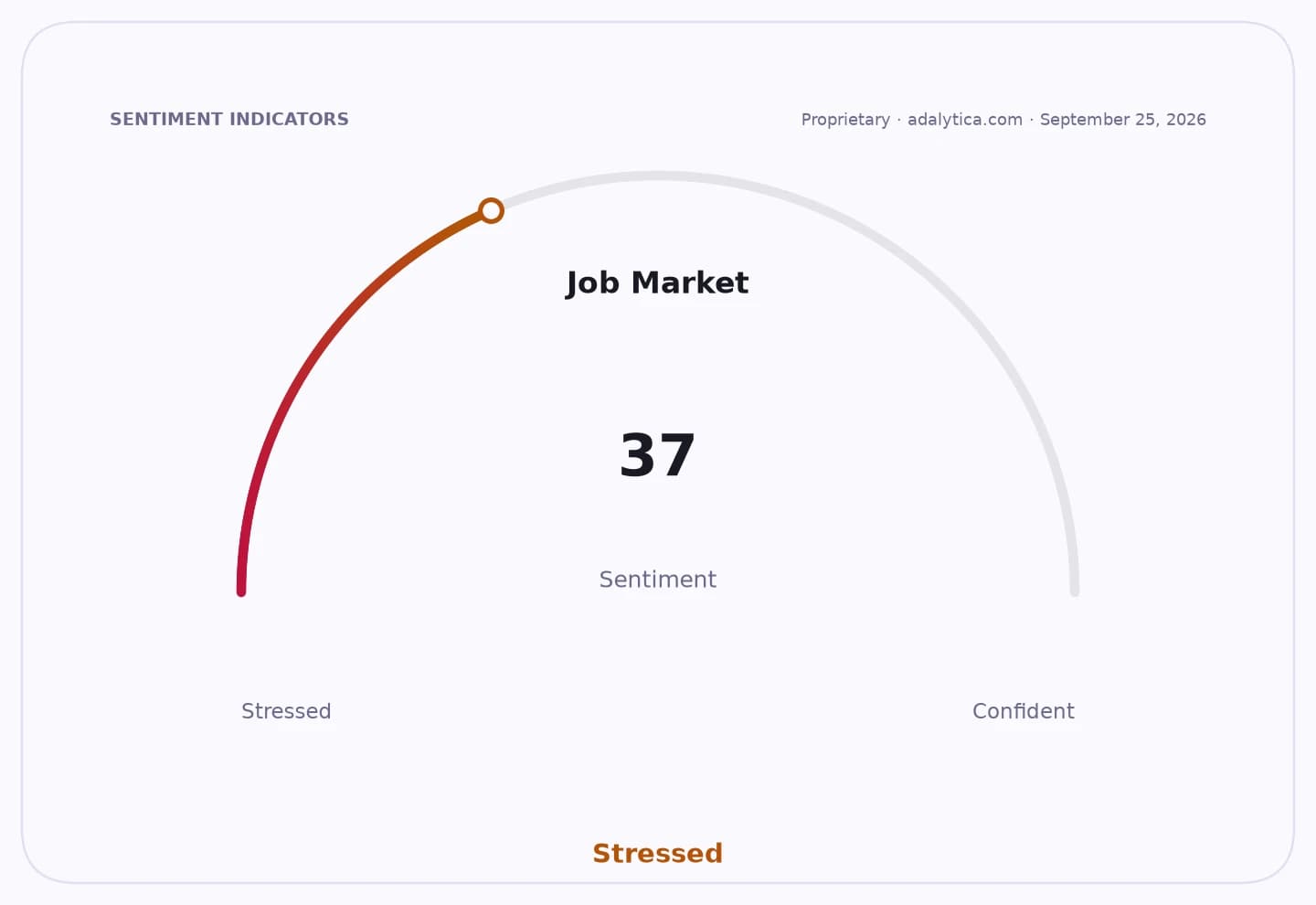
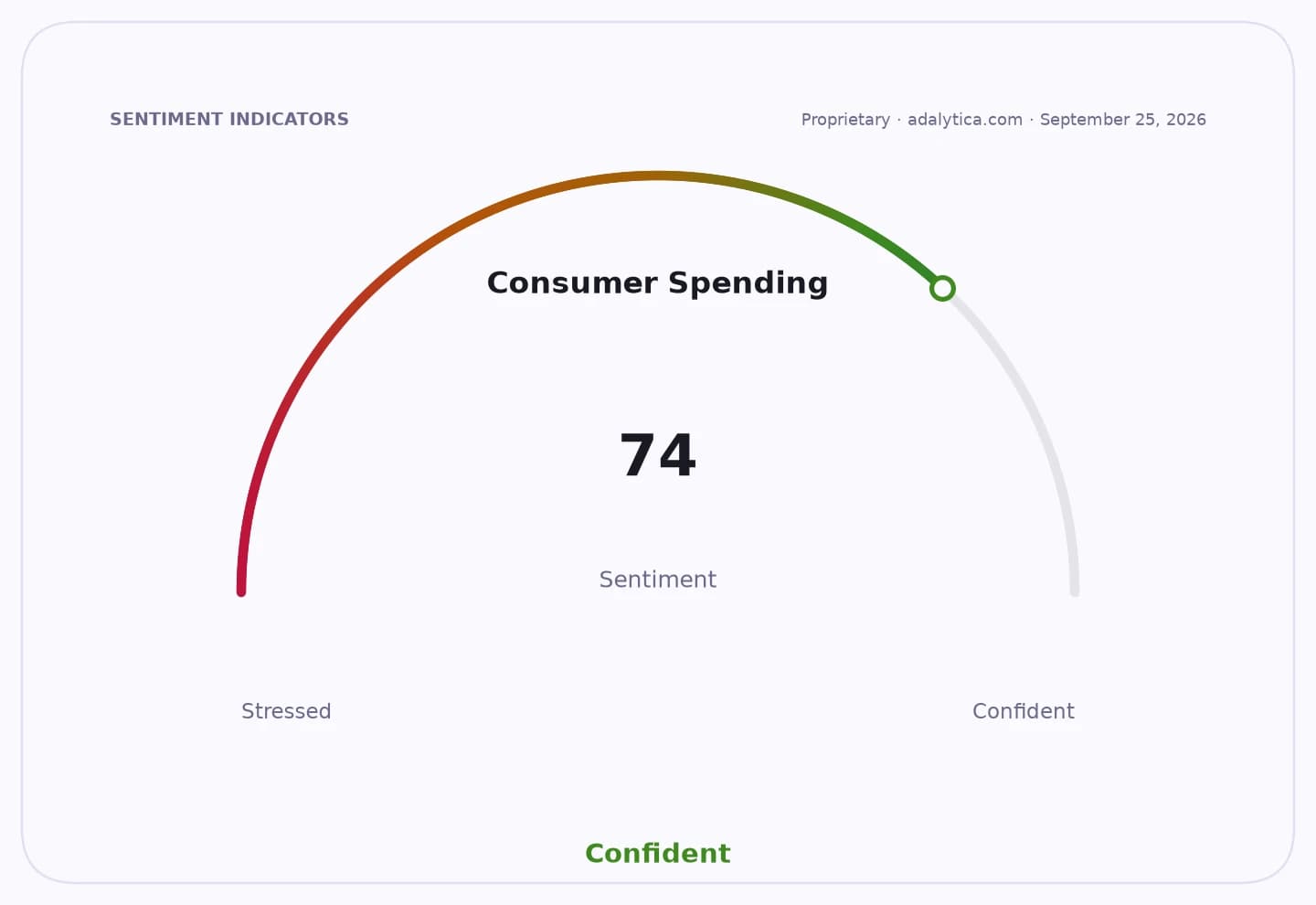
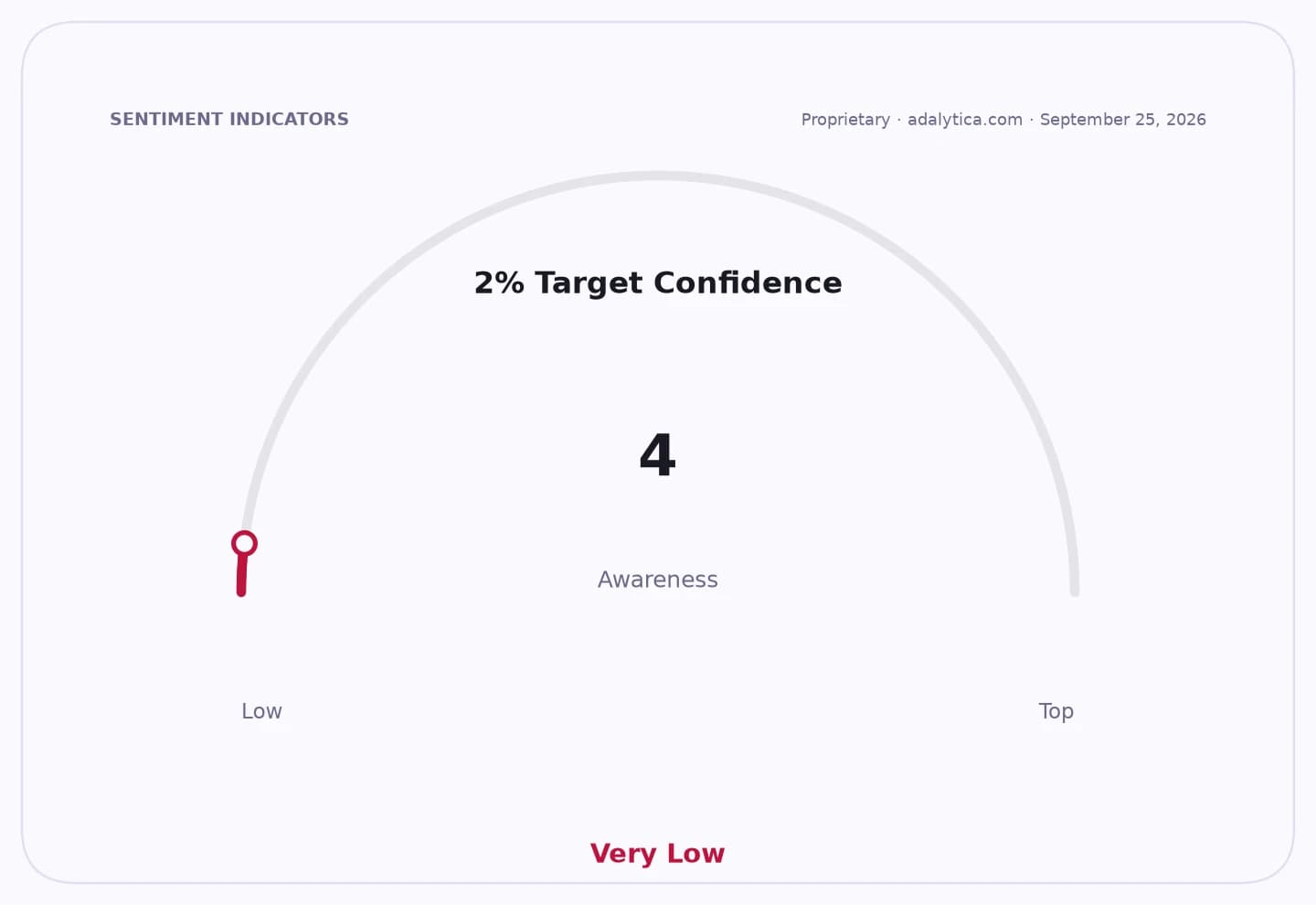
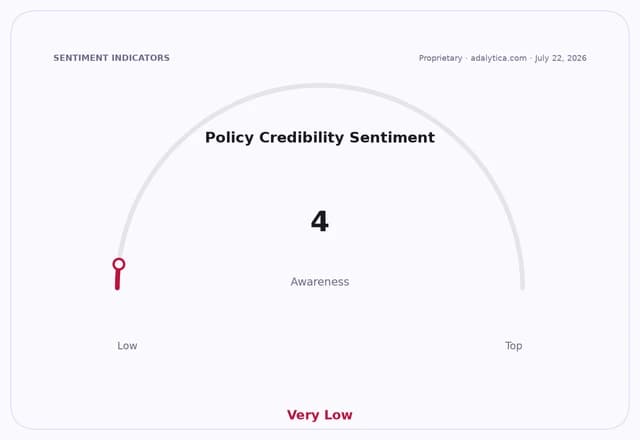
Sentiment IndicatorsⓘProprietary · adalytica.com · July 22, 2026
This is a snapshot — live sentiment, awareness and momentum for 130+ markets update continuously in the dashboard.Open AlphaPulse
The update comes at a time when Ukraine’s leadership is under pressure to show execution, not slogans. Personnel policy is often where reform attempts either gain momentum or stall. If the reshuffle strengthens the ministries that handle defense, finance, reconstruction and energy, it could improve coordination at a moment when every delay carries a cost. If it becomes a political reset without operational follow-through, it risks adding friction to a government already operating under extraordinary strain.
Markets tend to reward stability and punish drift, even in a war economy. That is why personnel changes matter to investors in Ukraine-linked assets, sovereign debt, regional contractors and defense suppliers. Better governance can support donor confidence, reduce policy risk and keep the reconstruction story alive. Weak governance, by contrast, can widen the discount investors demand for anything tied to Kyiv’s fiscal outlook or future rebuilding wave.
Policy Credibility Sentiment — 30-day sentimentadalytica.com
Explore this data interactively — full history, time series and cross-market comparisons.Open AlphaPulse
The broader backdrop also matters. Ukraine’s policy credibility is being watched closely by allies whose support is central to its budget, military capacity and long-term recovery. A cabinet reshuffle can either reinforce the message that Zelensky is tightening control and improving execution, or feed worries that political turnover is distracting from the harder work of state management.
For long-term investors, the key takeaway is simple: watch whether this is a personnel reset that improves delivery. In wartime Ukraine, leadership changes are only meaningful if they translate into faster decisions, cleaner institutions and stronger external confidence. If they do, the investment case around Ukraine’s recovery remains intact. If they do not, the risks rise quickly.
| Entity | Gains | Losses |
|---|---|---|
| Zelensky’s government | ▲Fresh mandate, tighter control | ▼Political capital if reforms stall |
| Western donors and allies | ▲Clearer execution potential | ▼Confidence if reshuffle looks cosmetic |
| Ukraine-linked investors | ▲Better governance outlook | ▼Higher policy risk if instability grows |
| Incumbent ministers | ▲Opportunity for renewal | ▼Loss of posts and influence |