Ukraine’s overhaul of its top military brass looks less like a routine reshuffle and more like a wartime effort to sharpen command for a conflict that is becoming both more technically demanding and more dependent on outside support.
Ukraine Shakeup Supports Defense Demand
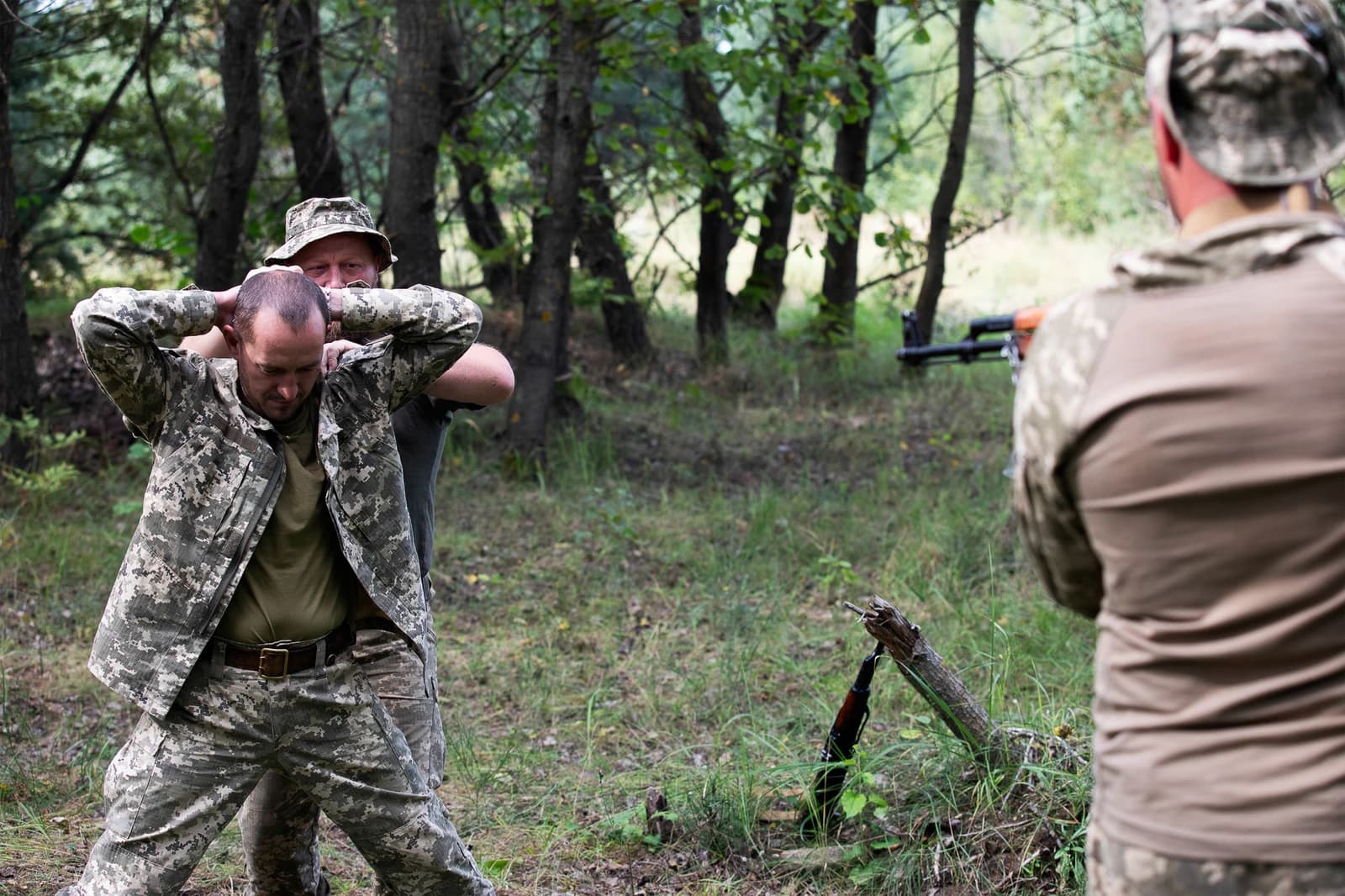
For investors, the significance is not in the personnel changes themselves but in what they imply: Kyiv is trying to improve battlefield execution at a moment when air defense, logistics and coordination with NATO partners may matter as much as troop numbers. That matters economically because a more organized Ukrainian military can sustain the war effort longer, while a more prolonged conflict keeps pressure on Europe’s defense budgets, energy security and industrial supply chains.
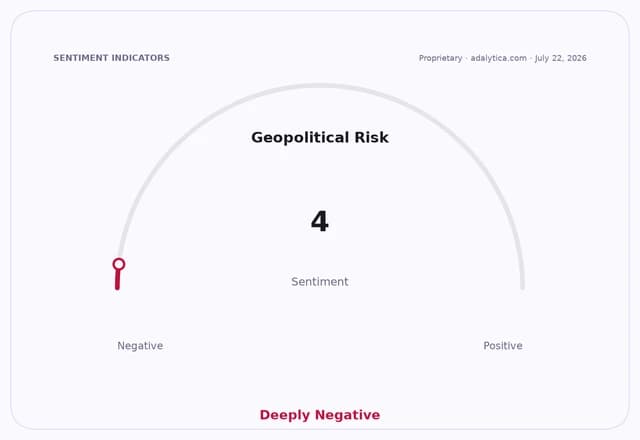
The timing is telling. Ukraine has said it shot down a Russian Su-35 fighter, a reminder that air defenses remain one of Kyiv’s most valuable assets. At the same time, NATO has pledged 140 billion euros in military aid, reinforcing the view that Ukraine’s war machine is being propped up by a long pipeline of Western weapons, training and funding. Those two facts point to the same narrative: the war is becoming an attritional contest in which command quality, replenishment and integration with allies can change outcomes at the margin.
The market already knows where some of that money is likely to flow. Defense contractors have been among the clearest beneficiaries of the war, and the stock action in names such as Northrop Grumman, Lockheed Martin and RTX shows how investors continue to price in a durable demand cycle for missiles, air defense, surveillance systems and electronic warfare. Northrop Grumman and Lockheed Martin have each traded with strong momentum at various points, while RTX has also seen a meaningful re-rating as investors look past quarter-to-quarter volatility and focus on decades-long procurement needs.
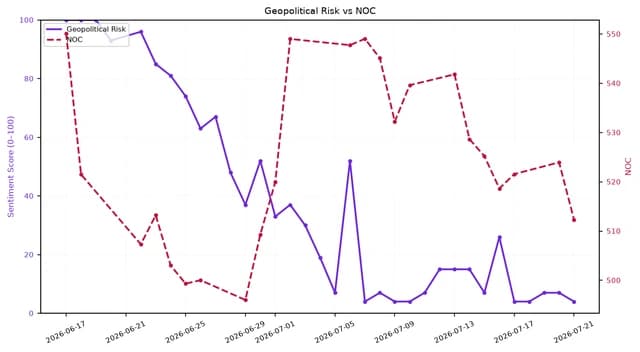
That is the bigger investment story here. A military leadership shake-up in Kyiv does not just speak to battlefield urgency; it also hints that the war is not ending soon enough to unwind the defense supercycle. The Czech president’s warning that Ukraine has only two months to end the war and resume negotiations underscores how much political pressure is building, but the military facts on the ground suggest neither side is close to a clean breakthrough. Russia is still deploying advanced aircraft, Ukraine is still targeting bridges and logistics, and both sides are still trying to gain leverage before any serious talks.
The economic ripple effects extend well beyond the front line. Europe’s governments are being pulled toward higher defense spending, NATO’s industrial base is being asked to scale, and weapons makers with deep backlogs and proven systems are likely to stay in favor with long-term investors. Even if peace talks eventually begin, the lessons of the past several years suggest rearmament will not disappear quickly.
For investors, the takeaway is simple: Ukraine’s leadership changes are a reminder that this war is being managed for endurance, not quick resolution. That keeps defense demand relevant, supports the long case for major contractors, and argues for patience rather than short-term trading. If you own the sector, it is worth watching closely; if you do not, this is still a name-your-theme moment for a diversified long-term portfolio.
| Entity | Gains | Losses |
|---|---|---|
| Ukraine’s military leadership | ▲tighter command | ▼old guard influence |
| NATO and European governments | ▲stronger case for aid | ▼fiscal flexibility |
| Defense contractors like LMT, RTX and NOC | ▲sustained demand | ▼peace-dividend hopes |
| Russia’s war effort | ▲none | ▼battlefield initiative |