Ukraine’s steelmakers are being swept into Europe’s latest trade defense despite having little to do with the Chinese dumping problem Brussels says it is trying to contain, and that could deepen the strain on one of Kyiv’s most important export industries just as the war has already shattered production.
Ukraine steel exports hit by EU safeguard
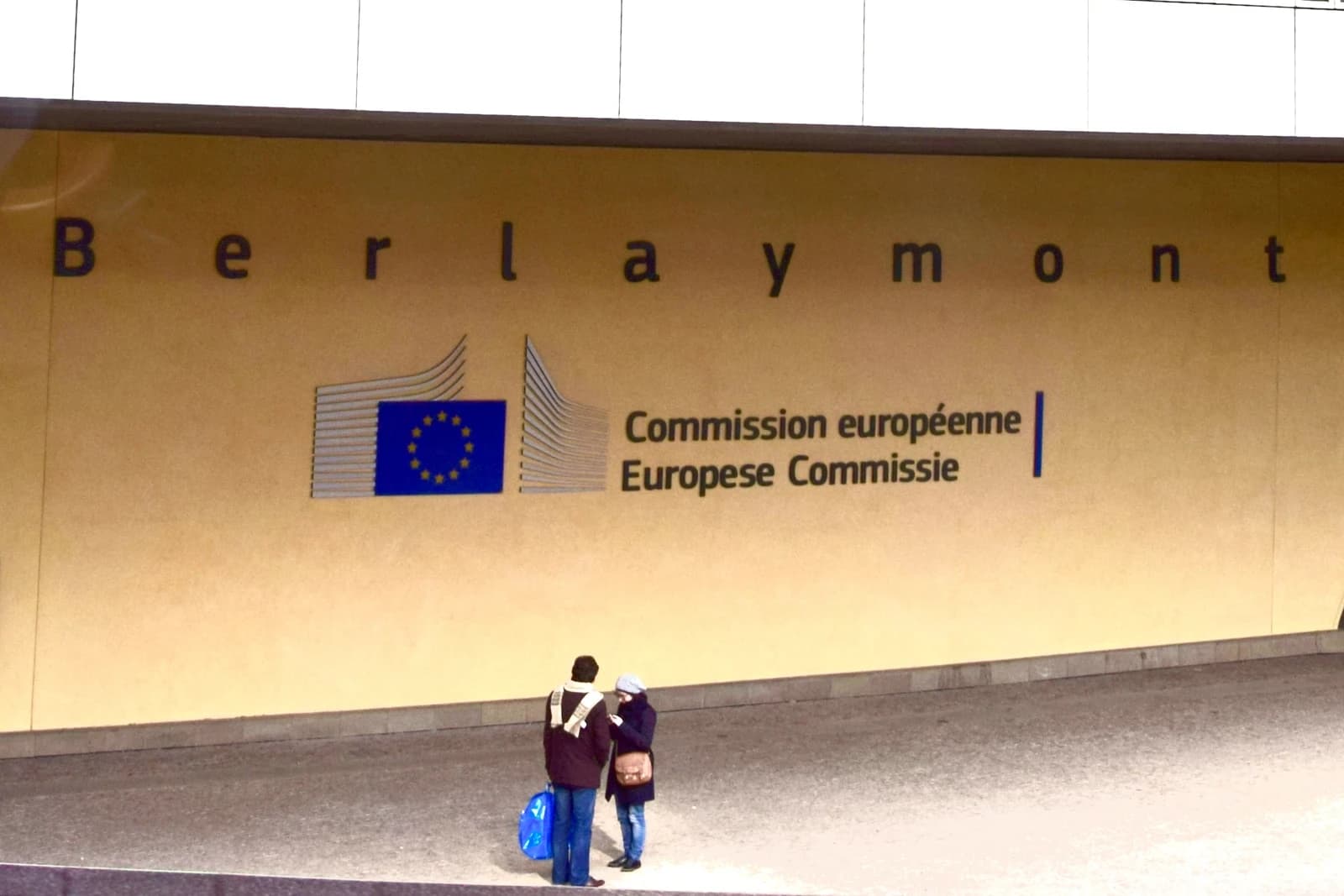
The European Union’s new steel safeguard regime, which took effect on July 1, keeps the bloc’s duty-free import quota at 18.3 million tons a year and doubles the tariff on any shipments above that level to 50%. Brussels says the move is aimed at cheap steel from countries such as China and Turkey, while also preventing extra volumes from being rerouted into Europe after the United States raised its own steel tariff to 50%.
For Ukraine, the policy lands with outsized force. Metinvest Chief Executive Yuriy Ryzhenkov said the country had been “grouped together” with exporters the measures were designed to restrain and called the treatment unfair given Ukraine’s wartime reality. The company says Ukrainian steel exports to the EU could ultimately fall 50% to 60%, even though the bloc is the industry’s biggest customer and the two sides have a free-trade agreement.
That matters well beyond one company’s balance sheet. Before Russia’s invasion in 2022, mining and metallurgy accounted for about 10% of national income and roughly a third of Ukraine’s exports. Now the sector is already operating under bombardment, with all of the country’s steel plants having been hit at different times and production at one point falling to zero for the first time in about 150 years, according to Ryzhenkov. Any further loss of market access would remove hard currency from an economy that is still heavily dependent on external support and export recovery.
For investors, the message is twofold. European steelmakers gain another layer of protection from imported metal at a time of global overcapacity, while exporters exposed to the EU quota system face a tougher pricing and volume environment. Metinvest, one of Ukraine’s flagship industrial groups, now has to navigate both physical destruction and policy tightening, a combination that makes recovery more uncertain and capital-intensive.
The broader trade backdrop is turning more hostile for steel everywhere. Washington’s move to 50% tariffs has already pushed some cargoes toward Europe, forcing the EU to defend its own market more aggressively. That creates a clear second-order effect: the more governments clamp down on imports, the more vulnerable smaller exporters are to being caught in the crossfire even when they are not the original target.
The investment takeaway is straightforward: the EU’s tariff wall is a tailwind for protected Western steel producers, but it is a fresh headwind for Ukraine’s industrial rebound and for any investor betting on an easy postwar export normalization. The market may still be underestimating how much trade policy, not just battlefield damage, will determine who wins the next phase of the global steel cycle.
| Entity | Gains | Losses |
|---|---|---|
| EU steelmakers | ▲Less import competition | ▼— |
| Ukraine / Metinvest | ▲— | ▼Lower EU access, weaker exports |
| China and Turkey exporters | ▲— | ▼Tighter EU market access |
| U.S. steelmakers | ▲Rerouted supply support | ▼— |