Ukraine’s latest military leadership dispute matters less for the personalities involved than for what it says about the strain of a war that is getting more destructive, not less. When the army chief publicly denies any rift after a defense dismissal and urges attention back to Russia, he is trying to contain a political story before it distracts from the far more important economic reality: the conflict is intensifying, and the longer it drags on, the heavier the burden on Ukraine, Europe and markets tied to regional stability.
Ukraine Leadership Tensions Keep Defense Support Elevated
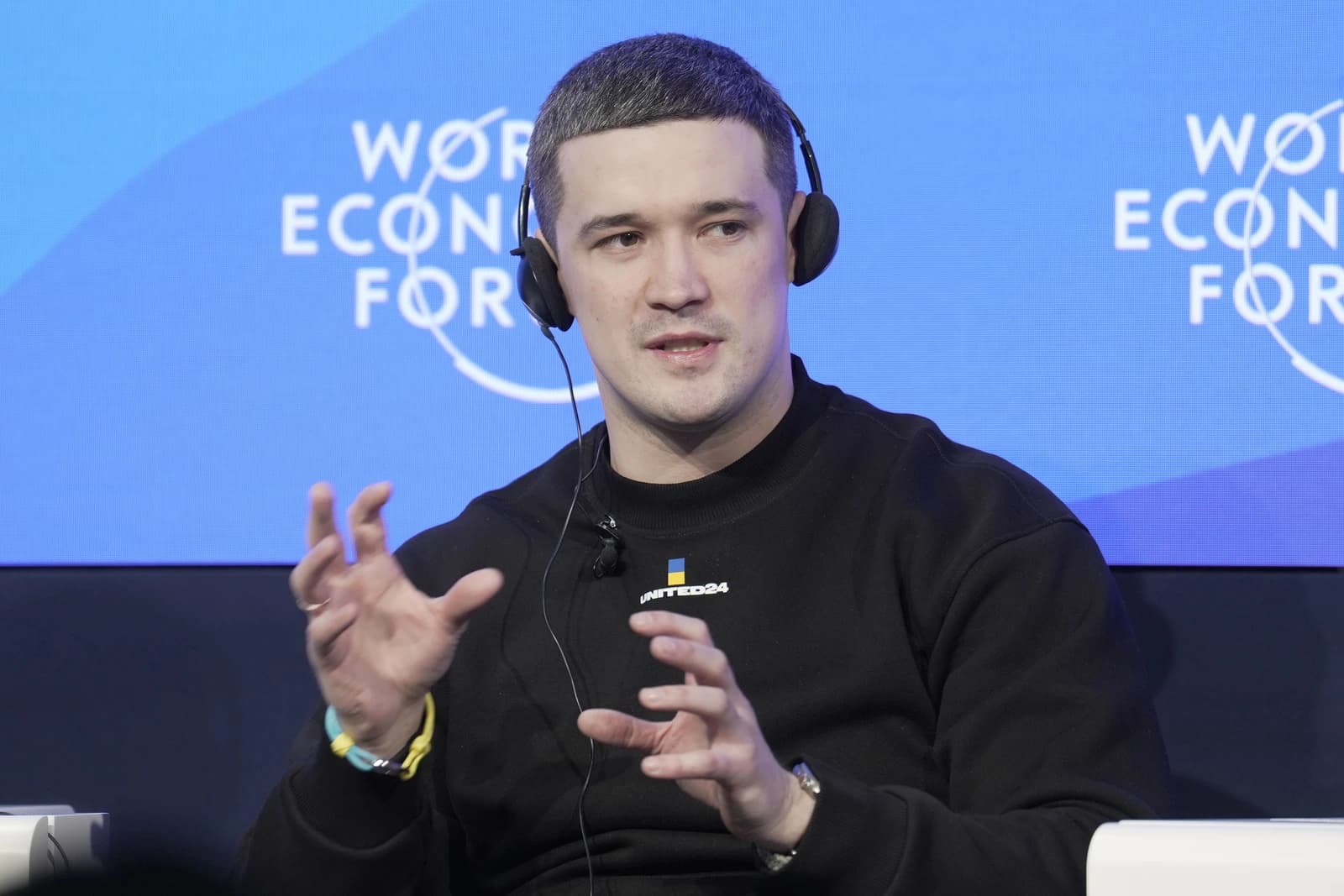
That matters because wars are not only fought on the battlefield. They shape capital flows, defense spending, energy prices, sanctions policy and the appetite for risk across Europe. A fresh round of internal dispute in Kyiv would be bad timing at any point, but it comes as Russia has stepped up missile attacks and Ukraine has responded with drone strikes deep inside Russian territory. That escalation reinforces a central investment theme: geopolitical risk around Eastern Europe remains elevated, even when day-to-day headlines shift from combat to command-room politics.
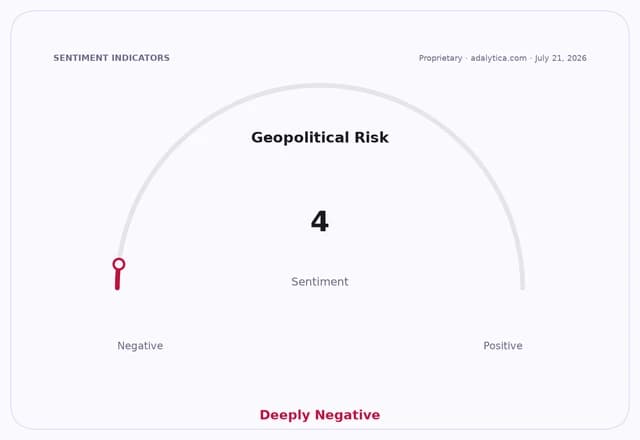
For investors, the immediate lesson is that volatility in this region is likely to remain a feature, not a bug. When the front line worsens, European defense contractors tend to stay supported, while sentiment-sensitive assets tied to regional calm usually struggle to build durable rallies. The broader market impact is often felt through energy, industrial supply chains and risk premiums rather than direct exposure to Ukraine itself. That is why the real story is not the dismissal or the denial, but the persistence of instability.
The exchange also underscores how little room there is for distraction. Ukraine’s leadership cannot afford an internal feud to dominate the conversation when the country is absorbing major military pressure and external support remains critical. Any sign of disunity can complicate coordination with allies, slow decision-making and feed doubts about execution. In wartime, that kind of perception can matter as much as a battlefield setback.
From a long-term investing perspective, this is another reminder to stay diversified and avoid trying to trade every headline. Geopolitical shocks can create sharp moves in defense, energy and European equities, but the bigger compounding opportunity usually lies in owning quality businesses with real pricing power and durable cash flow, not betting on the next twist in a war story. The conflict may continue to create winners and losers, but for most investors the best response is patience, diversification and a clear eye on which sectors can benefit from a more militarized world.
For now, Ukraine’s army chief is trying to close the political side-plot and refocus attention on the war itself. Investors should do the same: keep an eye on the escalation, but treat the episode as part of a broader and still unresolved geopolitical risk backdrop that is worth watching, not trading blindly.
| Entity | Gains | Losses |
|---|---|---|
| Defense contractors | ▲Higher spending tailwinds | ▼None from the conflict |
| European risk assets | ▲— | ▼Higher volatility, lower confidence |
| Ukraine leadership | ▲Narrative control if unity holds | ▼Credibility if infighting deepens |
| Energy and commodities | ▲Risk premium support | ▼Importers facing cost pressure |