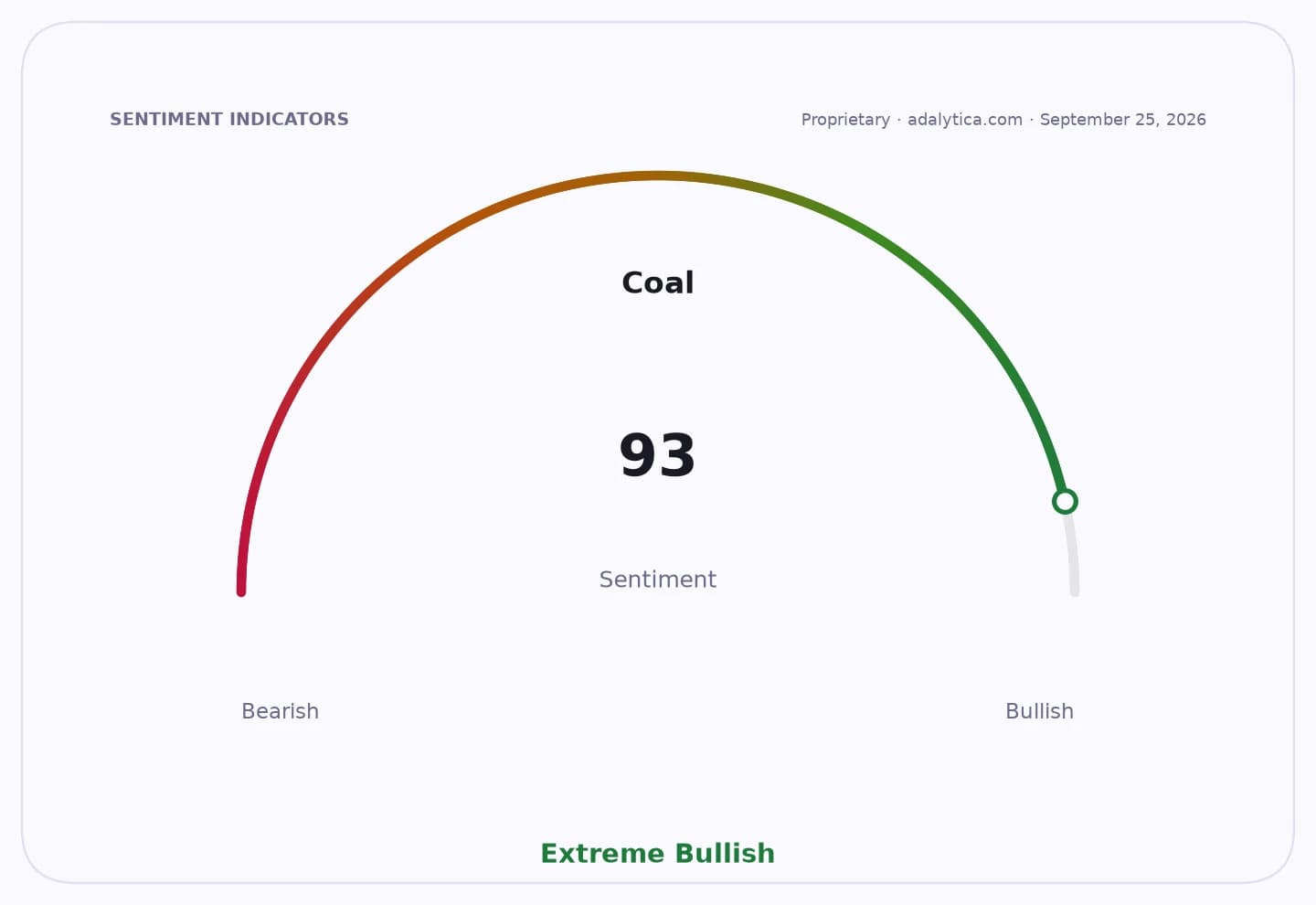
Russia’s room to keep fighting is narrowing not because diplomacy has suddenly advanced, but because the economic and market signals around the war have become less forgiving. Crude prices have swung sharply higher and then lower, global stability sentiment has plunged into “Extreme Fear,” and Ukraine and its allies are trying to turn that volatility into leverage — even as Moscow publicly rejects the notion that peace talks are imminent.
Ukraine war keeps oil and havens volatile
That matters because the war’s next phase is increasingly tied to financing, energy and sanctions pressure as much as battlefield gains. Oil remains one of Russia’s most important sources of export revenue, so every sustained move in energy markets changes the Kremlin’s bargaining position. At the same time, uncertainty around U.S. policy, European involvement and the possibility of tighter sanctions keeps investors focused on whether Russia can absorb more economic pain or whether it will eventually seek a deal from a weaker position.

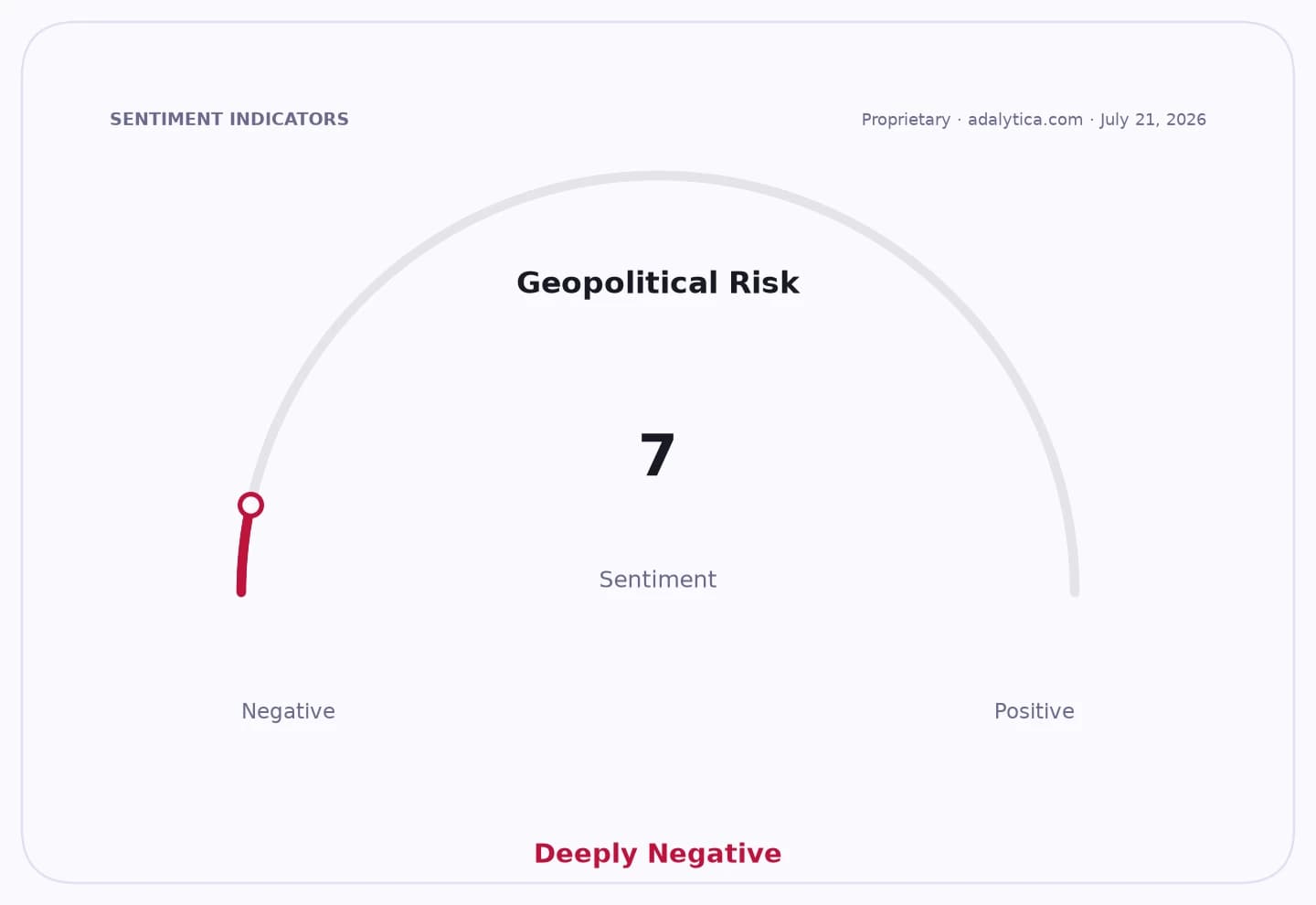
WTI crude, a key benchmark for the inflation and revenue implications of the war, was forecast at 78.147 a barrel for July 14 after recent turbulence that took it as low as 72.45 on July 10 before a rebound to 79.2 on July 13. That volatility comes after a far more violent spring, when prices surged above $109 and then collapsed toward the low $70s, underscoring how quickly geopolitical risk premiums can be added or stripped out of the market.
The energy market response is visible in fund and trading behavior. USO, a crude oil exchange-traded fund, closed at 125.51 on July 20, still far above its 50-day moving average of 125.68 and 200-day average of 97.61, while its RSI reading of 74.8 suggests the move remains technically stretched. The ETF’s price action indicates that investors have not priced out the possibility of renewed supply disruption, even after the latest pullback in WTI.
Geopolitical Risk vs USOadalytica.com
Explore this data interactively — full history, time series and cross-market comparisons.Open AlphaPulse
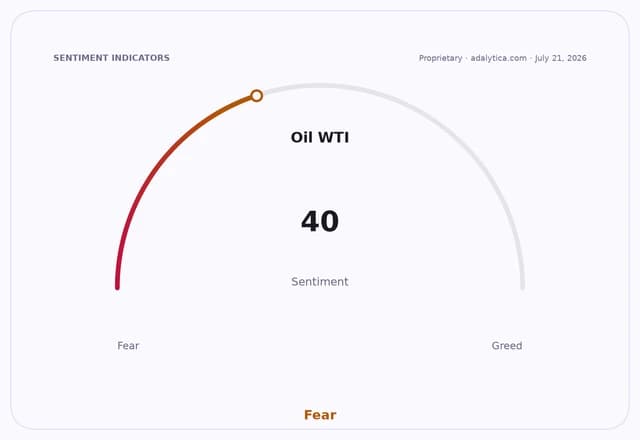
Gold tells a similar story about the broader mood. GLD closed at 367.6 on July 20, below its 50-day moving average of 394.82 and 200-day average of 411.48, but with sentiment still reading 74 on Adalytica’s Gold Fear & Greed Index. The combination suggests investors are hedging, but not yet in full panic mode: a classic environment in which headlines on peace, sanctions or escalation can move havens quickly.
The geopolitical backdrop is still working against a clean diplomatic breakthrough. Former President Donald Trump has said Russia is ready for a peace agreement, but Russian officials have publicly dismissed the idea that talks are near, while Moscow continues missile strikes. Ukraine’s President Volodymyr Zelensky is seeking to harden the negotiating position by pushing for more European involvement and stronger economic pressure on Russia, including sanctions that would bite into energy-linked cash flow.
For investors, the key issue is that peace in Ukraine would not automatically mean lower commodity risk; it would mean a repricing of sanctions, supply expectations and defense spending assumptions. A credible ceasefire could hit oil’s geopolitical premium, weaken safe-haven demand and ease inflation concerns, while Russian pushback or escalation would likely keep crude, defense and sanctions-sensitive assets volatile. The bear case for peace is straightforward: Moscow can still calculate that it can endure longer than Kyiv’s supporters can sustain pressure. The bull case is that energy-market volatility, sanctions risk and battlefield attrition eventually force a negotiation.
For now, the market is pricing uncertainty rather than resolution. That leaves energy traders, defense investors and macro funds watching three catalysts above all: whether Washington and Europe tighten sanctions, whether Russian strikes intensify, and whether any back-channel diplomacy begins to look more like a real negotiation than a rhetorical campaign.
| Entity | Gains | Losses |
|---|---|---|
| Russia | ▲time and leverage | ▼sanctions pressure |
| Ukraine | ▲Western support | ▼battlefield stability |
| Oil producers | ▲geopolitical premium | ▼peace-driven price drop |
| Investors in havens | ▲safe-haven demand | ▼risk-on rotation |