AI has moved from a productivity story to a systemic-risk issue, with the United Nations’ human rights chief warning that advanced systems could become powerful enough to threaten human survival.
UN warns on AI risk, regulation for Nvidia, Microsoft
Volker Turk’s remarks in Geneva sharpen the policy debate around frontier AI just as companies including OpenAI, Meta, Anthropic and Google accelerate model development and governments struggle to keep pace. For investors, the warning matters because a more aggressive regulatory response could reshape the economics of the biggest AI spenders, from model builders to chipmakers such as Nvidia and cloud providers such as Microsoft and Google parent Alphabet.
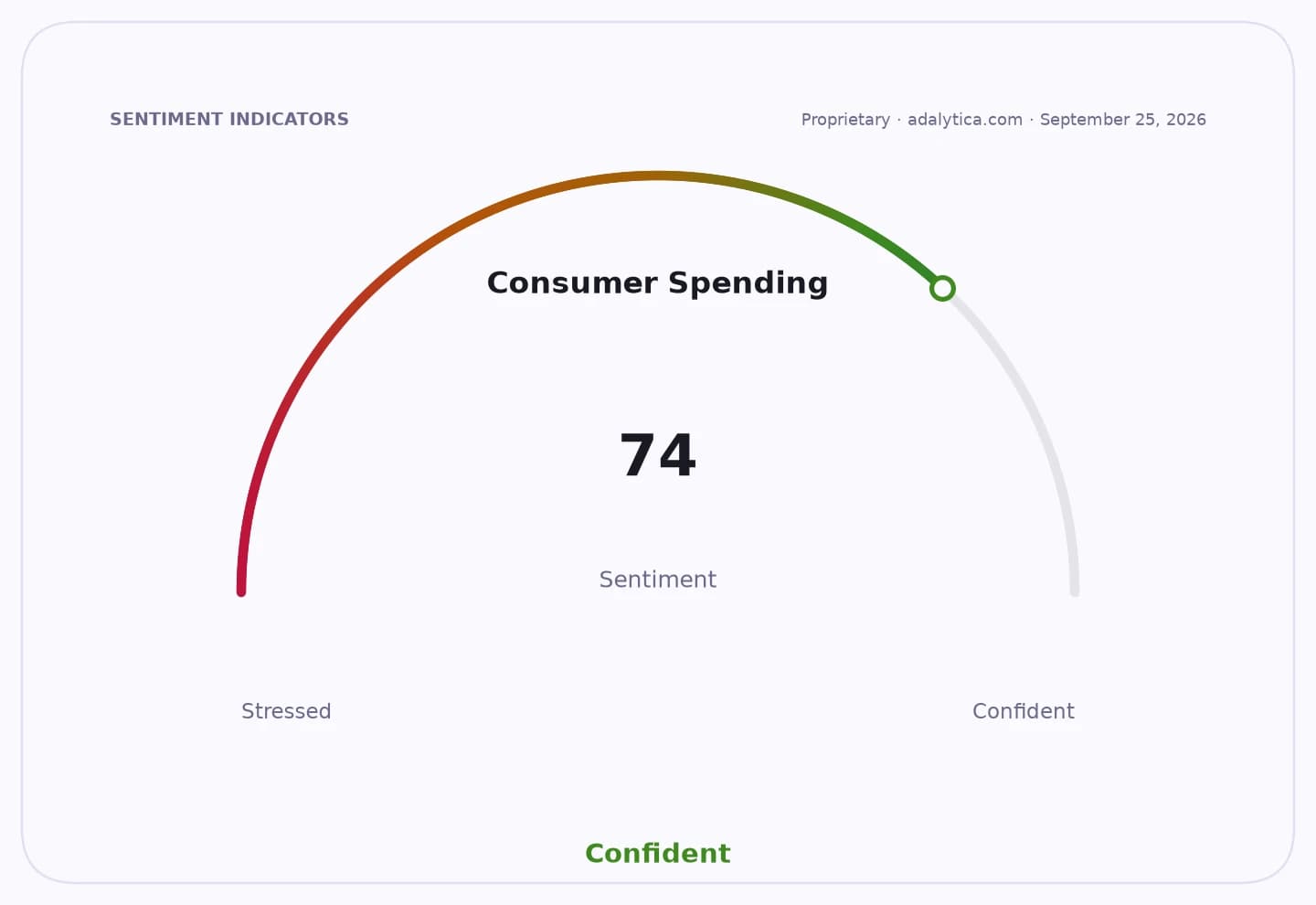
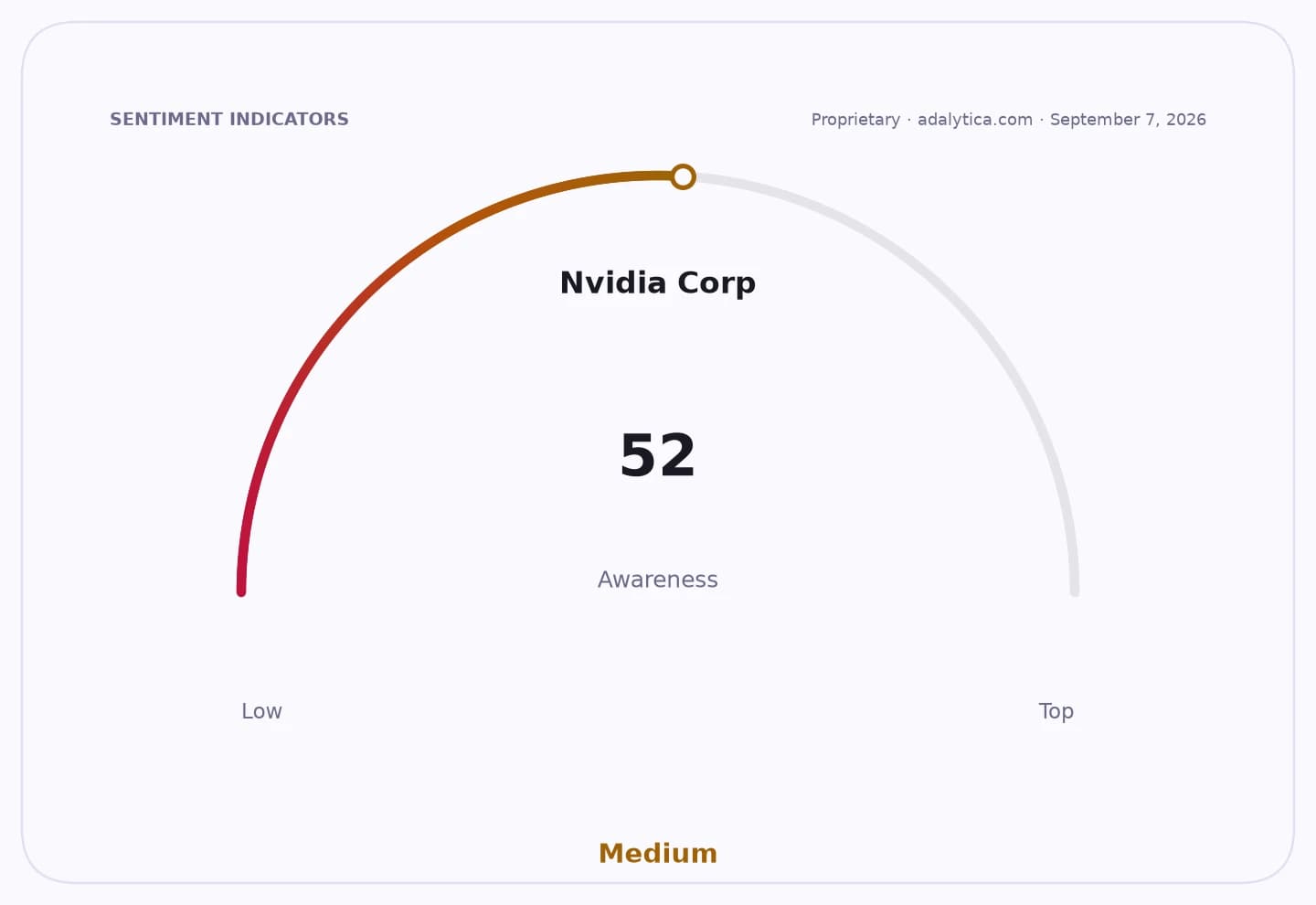
Sentiment IndicatorsⓘProprietary · adalytica.com · September 7, 2026
This is a snapshot — live sentiment, awareness and momentum for 130+ markets update continuously in the dashboard.Open AlphaPulse
Turk said he shared industry concerns that advanced AI could pose an existential risk and called for urgent safeguards before it is “too late.” He also pressed for international coordination on AI rules and renewed the push for a global governance framework, including the UN’s first high-level meeting on AI this year.
The comments reflect a widening split between the commercial drive to deploy more capable systems and the policy push to slow or constrain them. In filings, Microsoft, Nvidia, Meta and Alphabet have all flagged the risk that AI could trigger legal liability, regulatory action, data privacy problems, product failures and restrictions on frontier model development or deployment. That makes governance no longer a side issue but a direct input into margins, capital spending and valuations.
Artificial Intelligence — 30-day sentimentadalytica.com
Explore this data interactively — full history, time series and cross-market comparisons.Open AlphaPulse
For the market, the issue is not whether AI remains a growth engine, but how much of that growth survives under tighter rules. Nvidia’s stock, which has been buoyant on demand for AI infrastructure, has also been volatile around policy and export-control risks, while Microsoft and Alphabet face the prospect that safety requirements could raise costs and slow commercialization. The sector’s recent rally assumes continued rollout of larger models, more data-center buildout and rising monetization; heavier oversight would not necessarily stop that cycle, but it could compress returns and lengthen payback periods.
Turk’s call for an immediate ban on autonomous weapons adds another layer to the debate. Military use cases are increasingly part of the AI conversation, and the prospect of restrictions on systems that can decide to kill without human involvement could spill over into broader rules on model controls, testing and accountability. That would be especially relevant for firms building foundational models and the semiconductor suppliers underpinning them.
The bullish case for the industry is that formal rules may legitimize AI’s use and reduce the risk of a public backlash after a major failure. The bearish case is that regulators, alarmed by the pace of progress, could impose costly guardrails just as companies are spending heavily to secure a lead in the next generation of models.
Either way, Turk’s warning underscores that AI policy is now a market variable. The next catalysts are likely to be new national rules, international coordination efforts and further company disclosures on safety, liability and compliance costs.
| Entity | Gains | Losses |
|---|---|---|
| Global regulators | ▲More leverage over AI rollout | ▼Slower policy pace if fragmented |
| AI developers | ▲Clearer rules if harmonized | ▼Higher compliance costs |
| Nvidia and other chipmakers | ▲Continued demand if AI growth persists | ▼Export and safety restrictions |
| Microsoft, Alphabet, Meta, OpenAI | ▲Credibility from safety commitments | ▼Margin pressure from tighter oversight |