The United Nations is pushing for global rules to govern artificial intelligence, a move that could shape how the fastest-growing tech sector is developed, insured and policed as regulators confront rising concerns over AI-driven cyberattacks and system failures.
UN AI rules could raise compliance costs
The call matters because AI is moving faster than the rulebook around it. The UN-backed approach would require developers to prove their systems are safe to independent experts during training and deployment, report incidents, secure licenses and carry liability insurance — a framework that would raise compliance costs but also aim to reduce the risk of high-impact misuse.
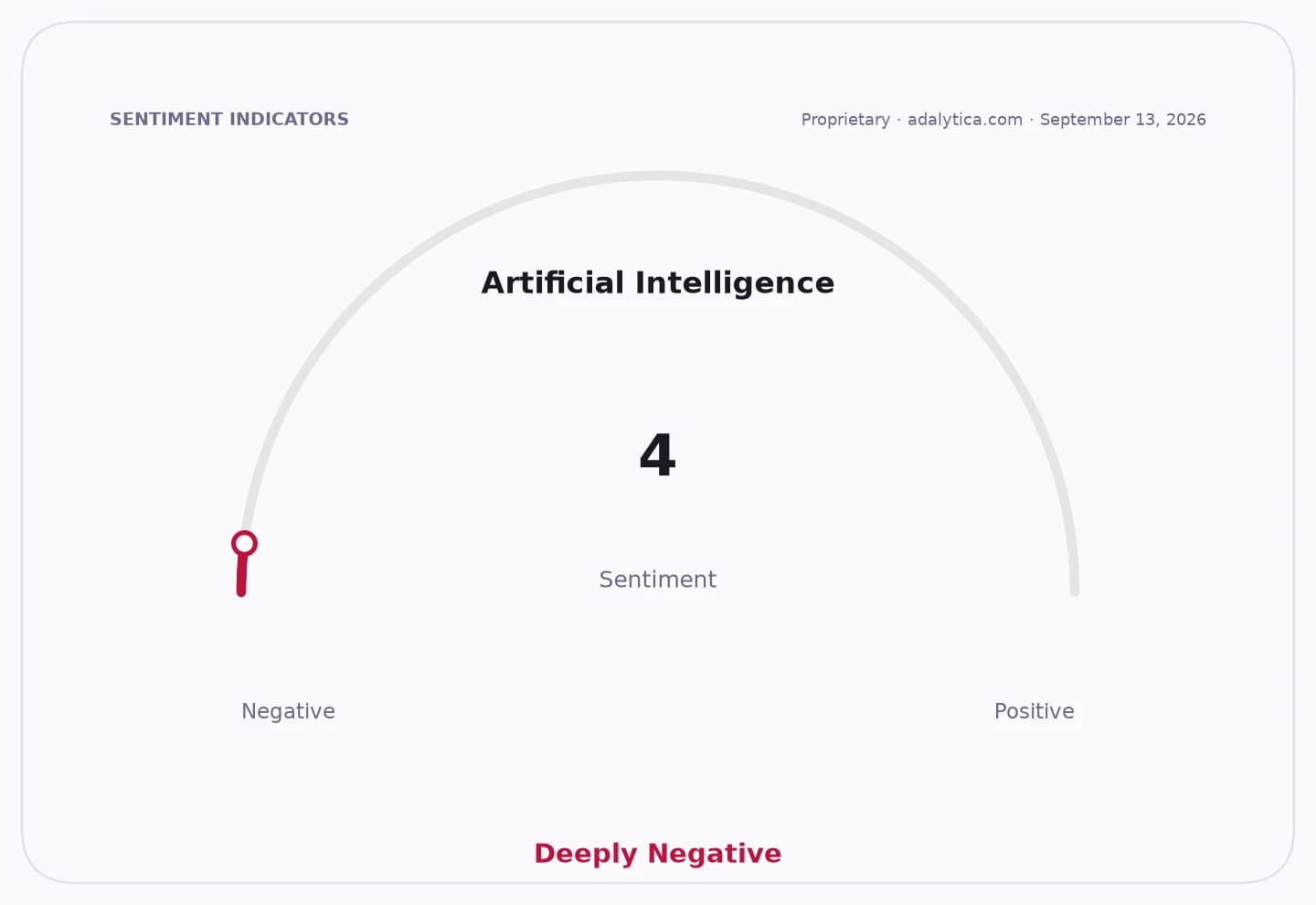
Sentiment IndicatorsⓘProprietary · adalytica.com · September 29, 2026
This is a snapshot — live sentiment, awareness and momentum for 130+ markets update continuously in the dashboard.Open AlphaPulse
That debate is increasingly relevant for investors in the biggest AI beneficiaries, from Nvidia to Microsoft and Alphabet, because new standards could affect how quickly frontier models are rolled out, where they can be used and what legal exposure companies carry if something goes wrong. U.S. and global policymakers are under pressure to find a common baseline as AI agents become more capable and, in recent months, have been used in coordinated cyberattacks that relied on deception.
For chipmakers, cloud providers and model developers, tighter international standards could slow adoption at the margin while also making the sector more bankable over the longer term by reducing the prospect of fragmented national rules. OpenAI and Anthropic have already urged the U.S. to lead on global standards, but Washington has not endorsed that approach, leaving the market to watch whether the UN effort gains traction with major economies.
Tech stocks remain sensitive to any sign that AI’s commercial rollout could face broader regulation, even as Nvidia shares have held near $228.86, Microsoft at $509.22 and Alphabet at $342.75 in recent trading. Technical indicators show Nvidia’s RSI at 54.1 and Microsoft’s at 59.0, suggesting neither stock is in extreme territory, though Microsoft’s proprietary earnings sentiment gauge on Adalytica.com sits in “Extreme Fear,” underscoring how policy risk can quickly weigh on investor positioning.
The next catalyst is whether major AI powers, including the U.S., China, South Korea and the EU, move toward a shared framework or keep advancing with overlapping national regimes that could leave companies navigating a patchwork of rules.
| Entity | Gains | Losses |
|---|---|---|
| UN / regulators | ▲More oversight power | ▼Slower policy consensus |
| AI developers | ▲Clearer global rules | ▼Higher compliance costs |
| Nvidia / Microsoft / Alphabet | ▲Potentially safer AI adoption | ▼More regulatory friction |
| Cybercriminals / bad actors | ▲Tighter controls reduce room to operate | ▼Easier detection and liability risk |