The global AI buildout is creating a lot of revenue, but not a lot of broad-based prosperity, and that’s the key takeaway for long-term investors. A new UNCTAD report says only 4.3% of the traceable value in AI server production goes to workers doing the physical manufacturing, underscoring how the biggest gains are flowing to the companies that own the designs, chips and intellectual property.
UNCTAD says AI value flows to Nvidia, US tech

That matters because AI is no longer just a software story — it’s a trade, manufacturing and capital-spending story too. UNCTAD said chips and servers accounted for about a sixth of global goods trade in 2025 and contributed 42% of the sector’s value growth, showing how deeply AI demand is now embedded in the world economy. Yet the value chain remains heavily tilted toward a few dominant firms and countries: Korea and Taiwan lead semiconductors, Malaysia and Mexico dominate final assembly, while raw-material suppliers in Latin America capture only a sliver of the end price.
The report’s breakdown of Nvidia’s GB200 NVL72 server system is especially telling. UNCTAD estimated the final system at about $3.3 million, but the value of the silicon, copper and tin used in it came to just 0.2% of the sale price. Of the roughly $2.92 million in traceable value, 68% went to profits after operating costs and taxes, with most of that margin flowing to Nvidia because it designs the advanced chips even though it outsources much of the physical production.
For investors, that is the essence of the AI boom: the winners are the platform owners and intellectual-property holders, not necessarily the countries or workers doing the heavy lifting. That helps explain why shares of Nvidia and other AI leaders have captured so much of the market’s enthusiasm even as the broader benefits of the boom remain uneven. Microsoft and Alphabet, which sit closer to the software and cloud layers of the stack, are also positioned to keep taking a large share of the economic surplus as enterprises pay for AI tools, infrastructure and compute.
The report also carries a warning for emerging markets. AI demand is boosting exports of minerals and creating assembly jobs, but UNCTAD says it has not meaningfully raised developing countries’ share of the wealth generated by the supply chain. That leaves many economies stuck in lower-margin roles while the most lucrative parts of the business remain concentrated in a small group of advanced manufacturers and U.S. tech giants.
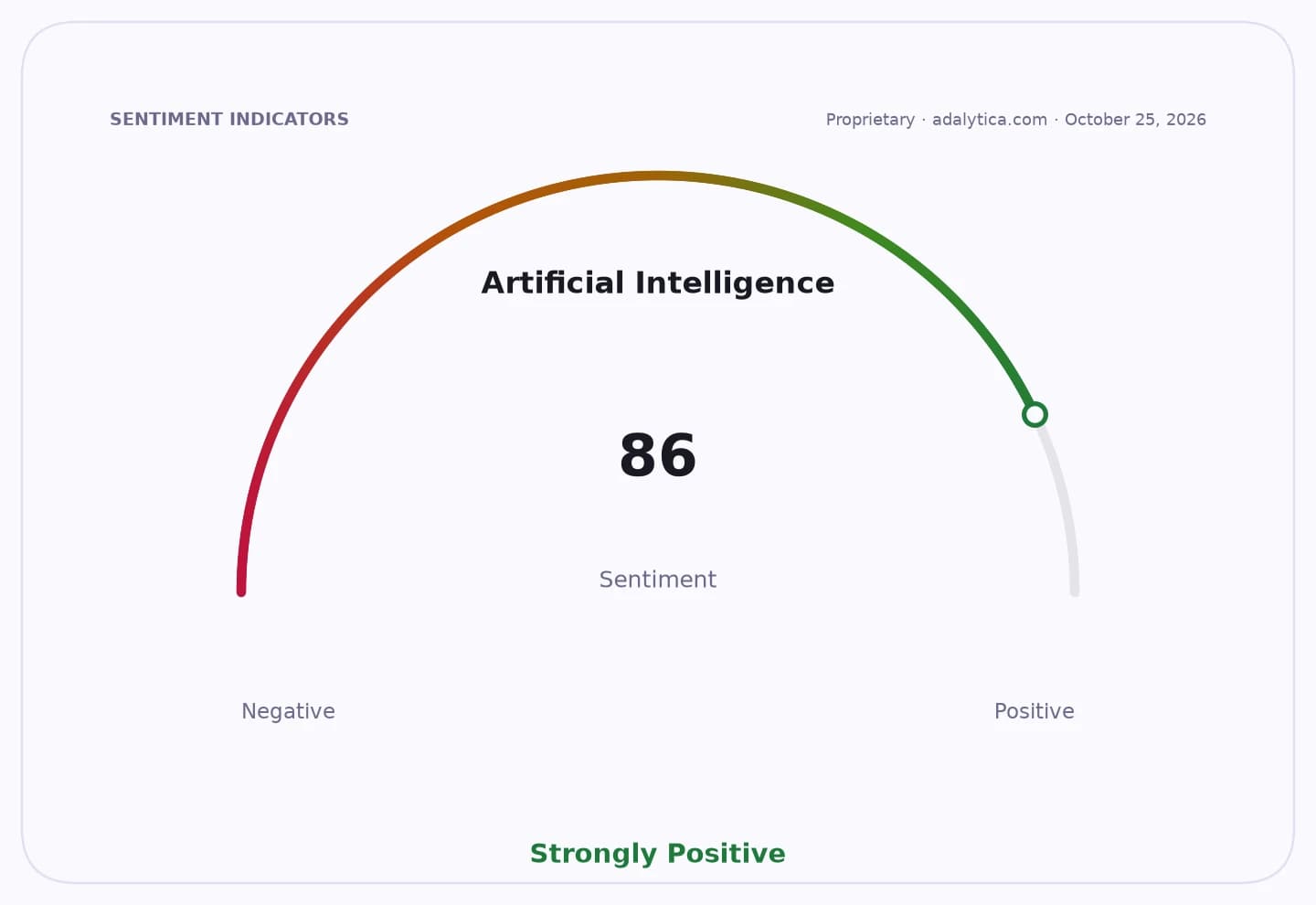
UNCTAD’s recommendation is straightforward: developing countries should stop focusing mainly on attracting foreign investment and instead build domestic suppliers and skilled labor. For investors, that points to a familiar conclusion — AI is still a powerful secular growth trend, but the long-term compounding is likely to remain concentrated in companies with proprietary technology, scale and pricing power. That makes the sector attractive, but it also argues for patience, diversification and a focus on businesses that own the highest-value layers of the chain.
| Entity | Gains | Losses |
|---|---|---|
| Nvidia | ▲Most profit capture | ▼Physical production margins |
| Microsoft & Alphabet | ▲Cloud/software demand | ▼Low-value manufacturing roles |
| Emerging-market assemblers | ▲Job creation | ▼Limited value share |
| Raw-material exporters | ▲Higher mineral exports | ▼Tiny share of end price |