Angola’s biggest-ever share sale is more than a corporate milestone: Unitel’s 300 billion kwanza IPO is a test of whether the country can turn a one-off transaction into the foundation of a deeper capital market.
Unitel IPO Could Seed Angola's Capital Market
The offering matters because Angola has long relied on banks, state-linked financing and oil revenue rather than an active domestic equity market. By bringing the country’s dominant telecoms company to the market, authorities are trying to create a benchmark asset that could draw in local savers, institutional money and eventually foreign investors. If the listing holds up in trading, it could help establish pricing confidence for future flotations and make the Angola Stock Exchange more than a symbolic venue.
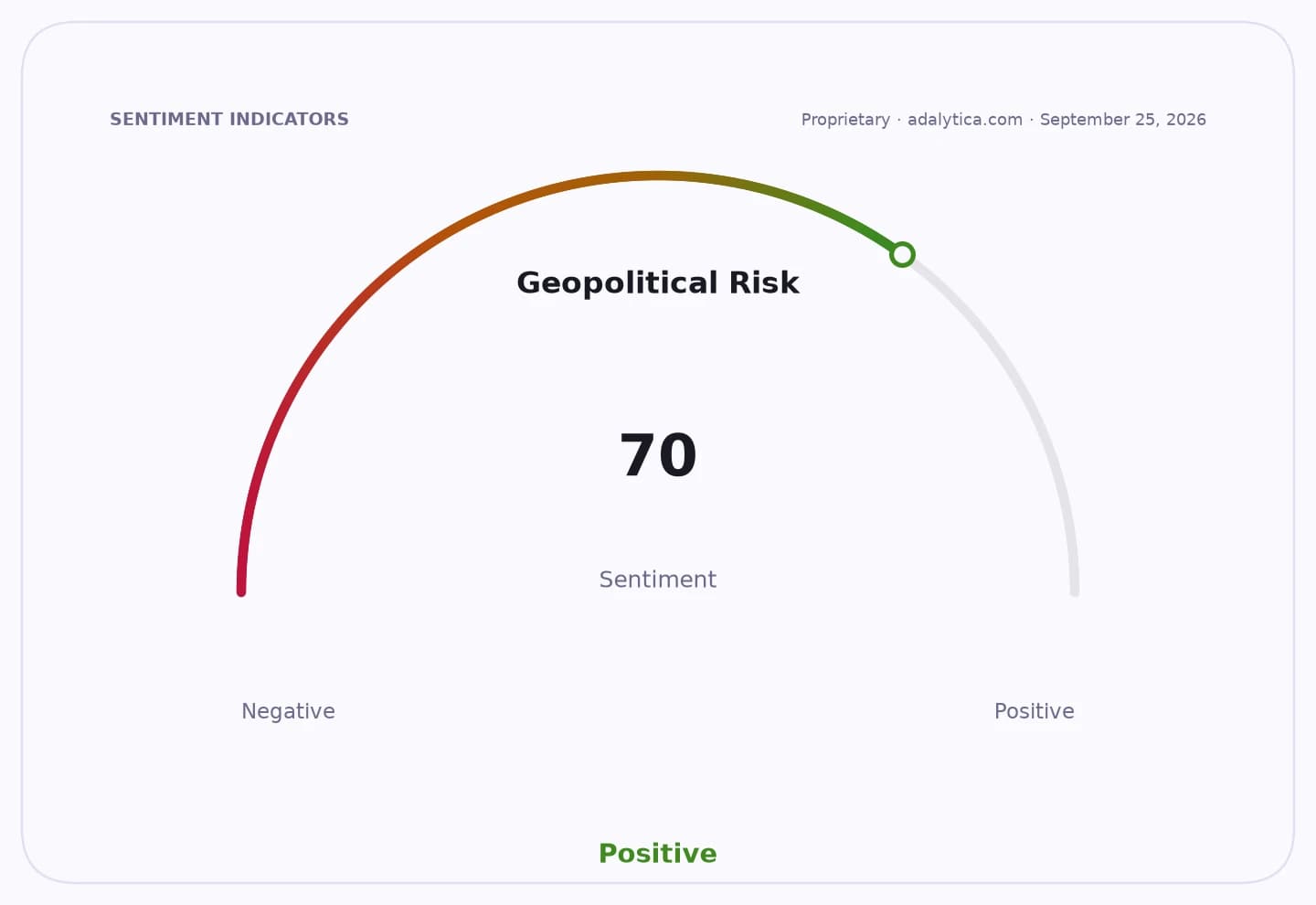
Sentiment IndicatorsⓘProprietary · adalytica.com · July 29, 2026
This is a snapshot — live sentiment, awareness and momentum for 130+ markets update continuously in the dashboard.Open AlphaPulse
For investors, the deal is important less for the headline size than for what it says about liquidity, governance and market access. A record IPO in a market as shallow as Angola’s can only become meaningful if it attracts consistent secondary trading, not just initial demand. The first challenge is whether buyers see Unitel as a scarce high-quality domestic asset with defensive cash flows in a country still exposed to commodity swings. The bigger question is whether the market has the institutional plumbing — research coverage, market makers, settlement systems and enough free float — to sustain interest once the celebratory launch fades.
The timing also speaks to a broader emerging-market theme: governments are increasingly using flagship listings to broaden funding sources and reduce dependence on external borrowing. That can be positive for financial development, but it also raises execution risk. A weak post-IPO performance would reinforce the view that Angola’s market remains too small and too illiquid to absorb large issuances. A strong debut, by contrast, could become a reference point for other state-linked and private companies weighing listings.
That is why Unitel’s IPO matters beyond telecoms. It is a gauge of whether Angola can convert a record fundraising event into a functioning capital market, with the potential to support privatization, improve price discovery and gradually widen the country’s financing options. Investors will be watching whether demand extends beyond the initial sale and whether this becomes the start of a market-building cycle, or just a single large transaction in an otherwise thin exchange.
| Entity | Gains | Losses |
|---|---|---|
| Unitel | ▲Fresh capital and market profile | ▼Greater disclosure burden |
| Angola government | ▲Capital-market credibility | ▼Pressure to deliver follow-on listings |
| Local investors | ▲Access to a blue-chip asset | ▼Liquidity risk if trading is thin |
| Competing financing channels | ▲Less reliance on them | ▼Reduced importance in funding growth |