The UP World LNG Shipping Index remains elevated, with the sector still benefiting from tight European gas balances, low storage and disrupted LNG flows that keep shipping demand firm heading into the heating season.
UP World LNG Shipping Index Holds Elevated Into Winter
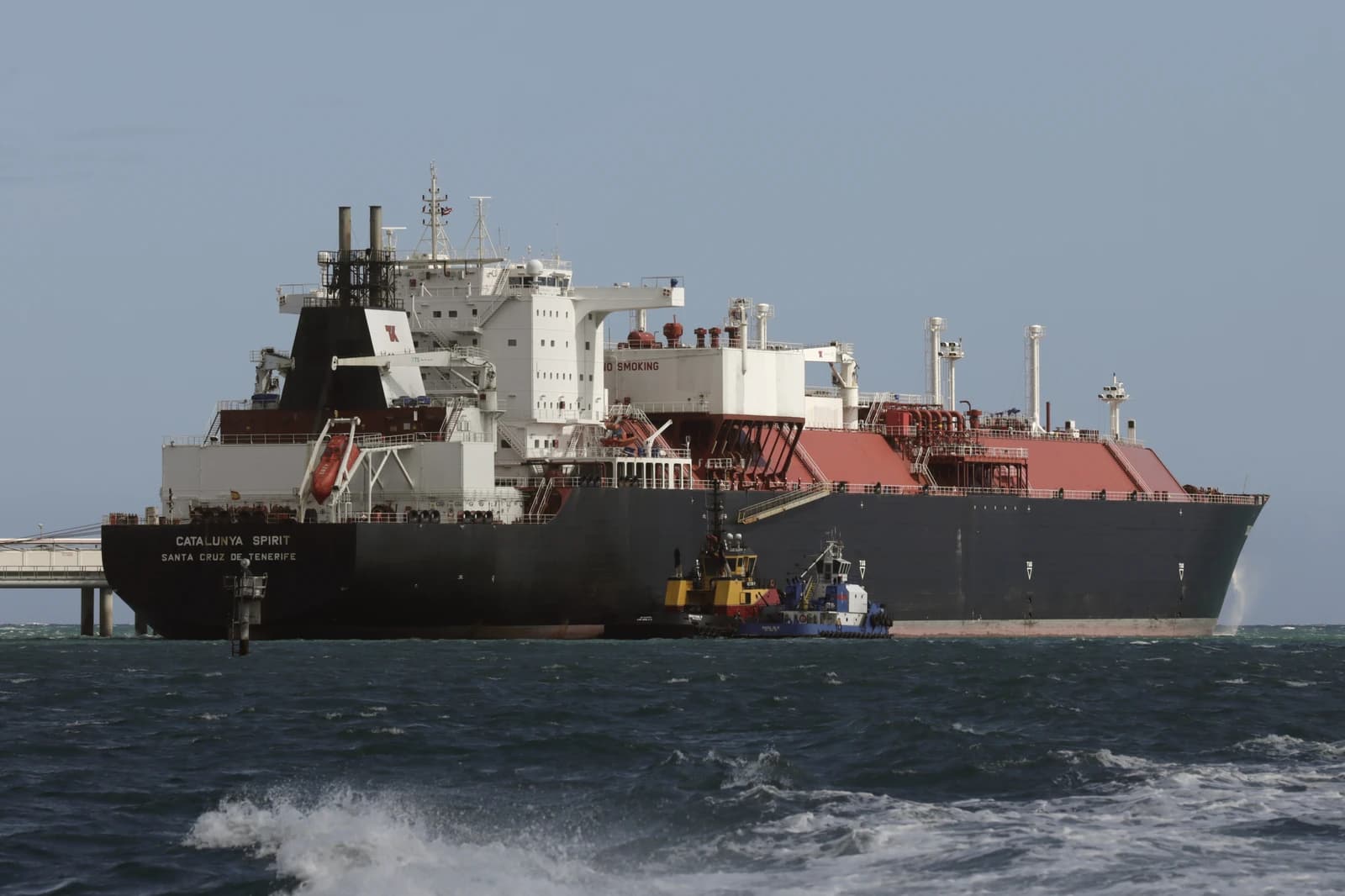
For investors, the message is that LNG carriers are still trading as a scarcity asset rather than a simple transportation play. Europe’s storage deficit and the persistence of geopolitical frictions across key supply routes have preserved the premium on vessels that can move cargoes quickly and reliably. That supports charter rates, fleet utilization and earnings visibility for shipowners, even as the broader energy market tries to normalize.
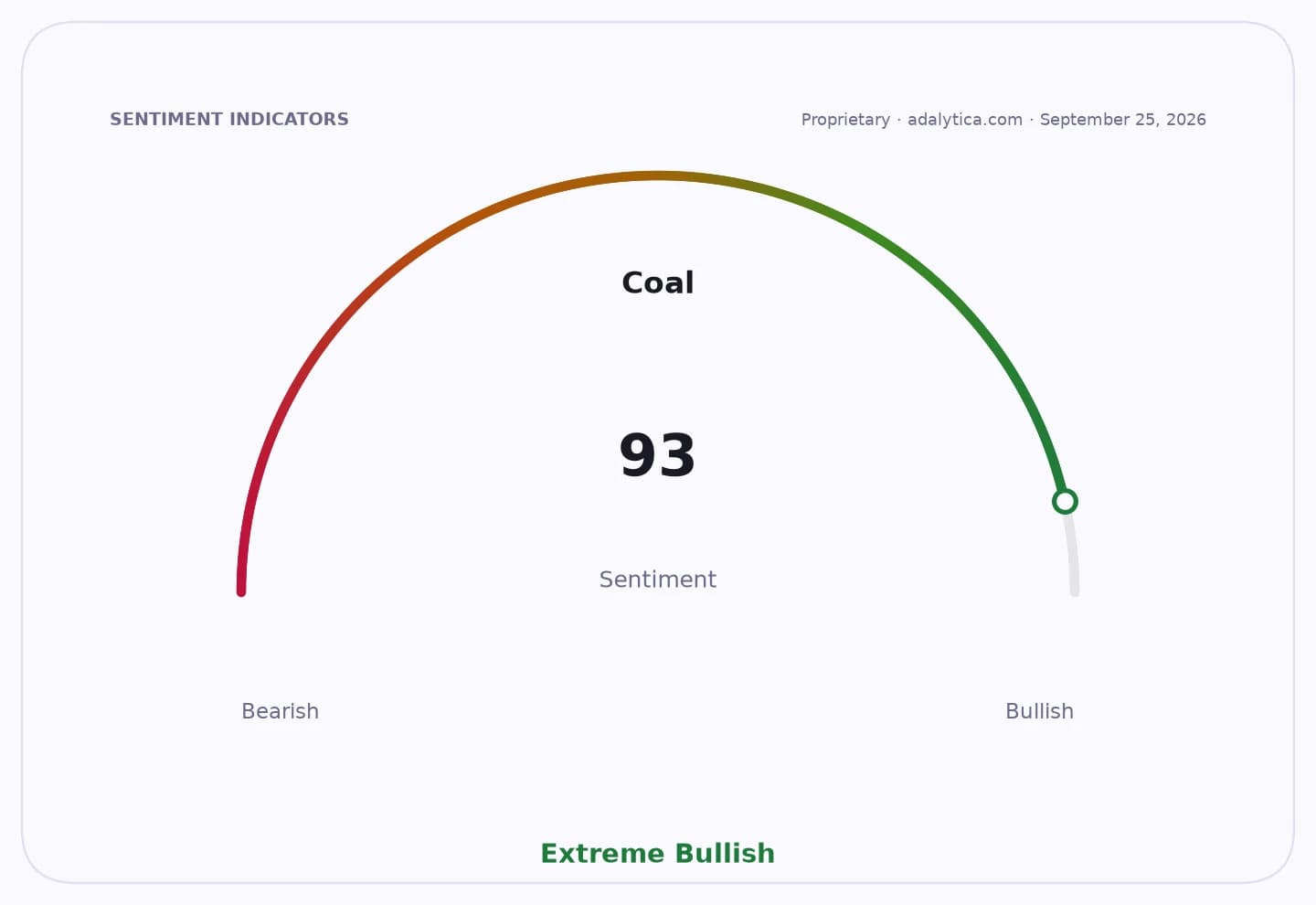
Sentiment IndicatorsⓘProprietary · adalytica.com · August 4, 2026
This is a snapshot — live sentiment, awareness and momentum for 130+ markets update continuously in the dashboard.Open AlphaPulse
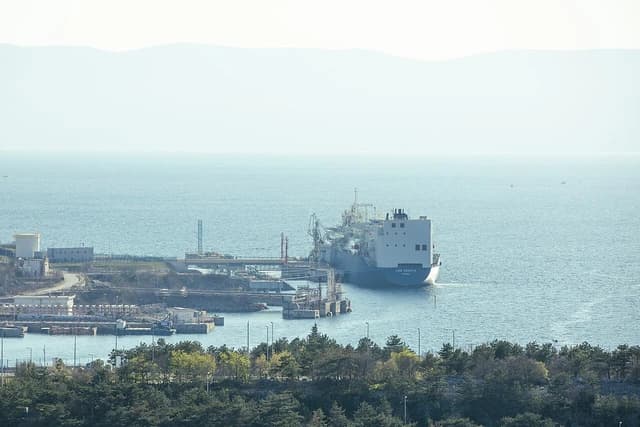
The latest price action in individual LNG names shows the same pattern. Cheniere Energy, the largest U.S. exporter, closed at $263.57 on July 31, well above its 50-day moving average of $246.11, while its 200-day average sat near $232.28. The stock has rebounded sharply from the spring selloff and remains above both major trend lines, though its RSI reading of 50.2 suggests the move is no longer stretched. Excelerate Energy also held near recent highs at $31.21, comfortably above its 50-day average of $30.35 and 200-day average of $27.44, indicating the market still sees value in LNG infrastructure linked to global cargo flows.
The macro backdrop is doing much of the work. Europe’s dependence on LNG has deepened as storage levels lag seasonal norms and Russian supply remains constrained. That leaves the region exposed to weather, maintenance outages and maritime disruptions in the Middle East. When gas buyers scramble for replacement cargoes, shipping capacity becomes the bottleneck, not liquefaction. That is the core reason the index can stay up even if outright LNG prices are volatile.
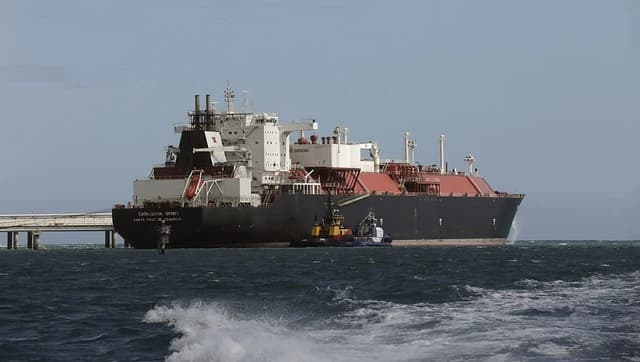
The market is also being supported by a broader risk-on tone in global assets, but the LNG shipping trade has a more specific catalyst: scarcity in vessel availability. Every extra voyage to Europe or Asia ties up tonnage longer, lifting effective demand for carriers. That helps owners with modern fleets and long-term charter coverage, while pressuring importers and utilities that are exposed to spot cargoes and shipping costs.
There are limits to the bullish case. Technical readings on Cheniere show momentum has cooled from overbought levels seen in March, and a sustained easing in European gas prices or a smoother winter could soften freight demand. A durable improvement in storage, or a broader ceasefire across key shipping corridors, would also reduce urgency and compress charter premiums.
For now, though, the dominant story is not cyclical fatigue but structural tightness. As long as Europe enters winter with thin buffers and the market continues to treat LNG as a strategic commodity, LNG shipping remains one of the cleaner ways to express that shortage.
| Entity | Gains | Losses |
|---|---|---|
| LNG shipping companies | ▲Higher charter rates | ▼Less pricing power if supply normalizes |
| European gas buyers | ▲Short-term supply access | ▼Higher import and freight costs |
| U.S. exporters | ▲Stronger cargo demand | ▼Exposure to volatility in spot premiums |
| Spot freight market | ▲Tight vessel supply | ▼Cargoes needing urgent delivery |