Contract work is holding up better than many investors might expect, and that matters because the labor market is still trying to balance flexibility, pay and security at the same time.
Upwork, ZipRecruiter and Manpower Track Contract Work
For workers, the trade-off is the same as ever: contract roles can mean higher hourly pay, more variety and the chance to build skills quickly, but they can also bring uneven income and less protection if demand slows. For investors, that makes the contract-work economy a direct read on how employers are managing costs and how willing they are to keep hiring without adding permanent headcount.
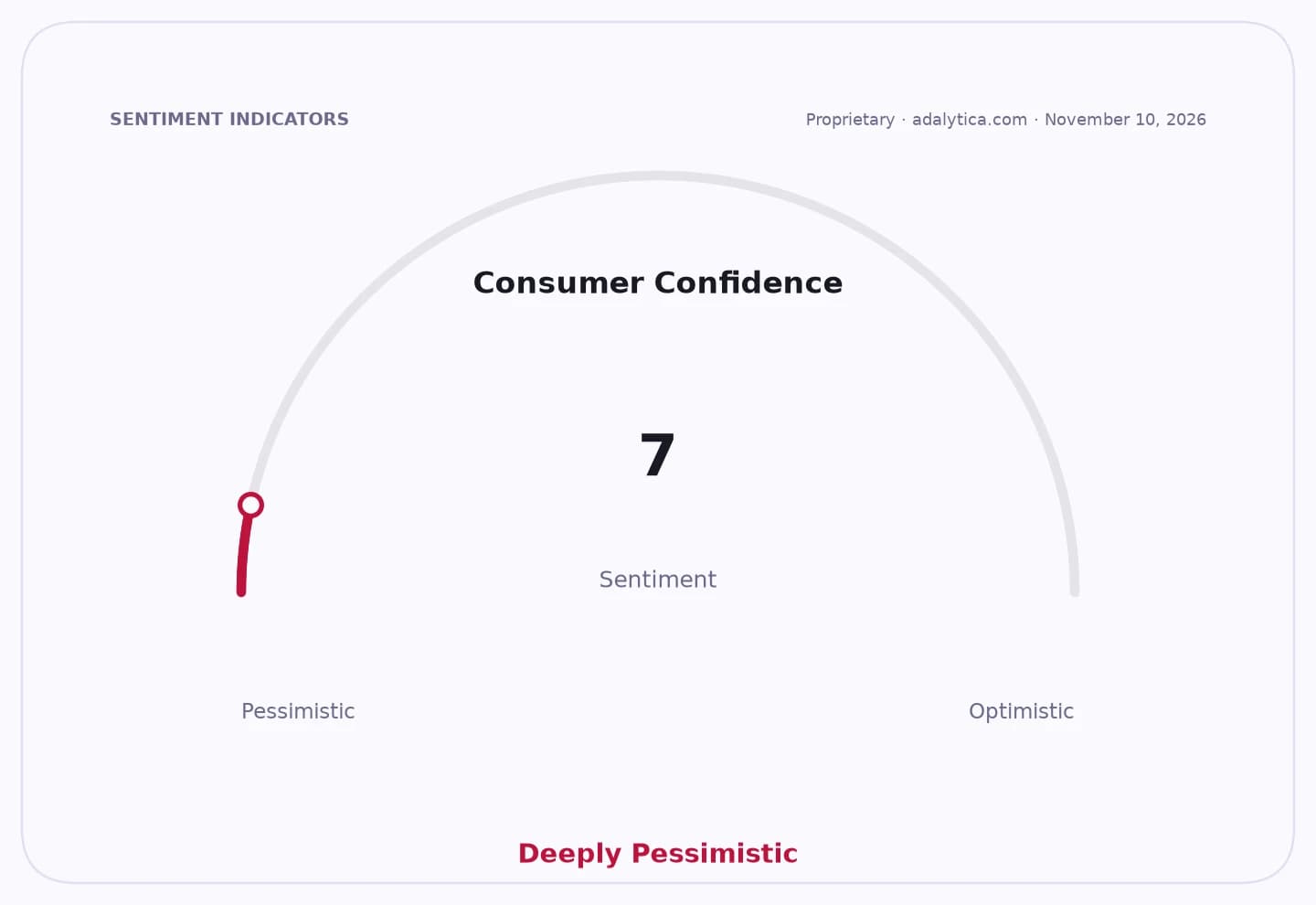
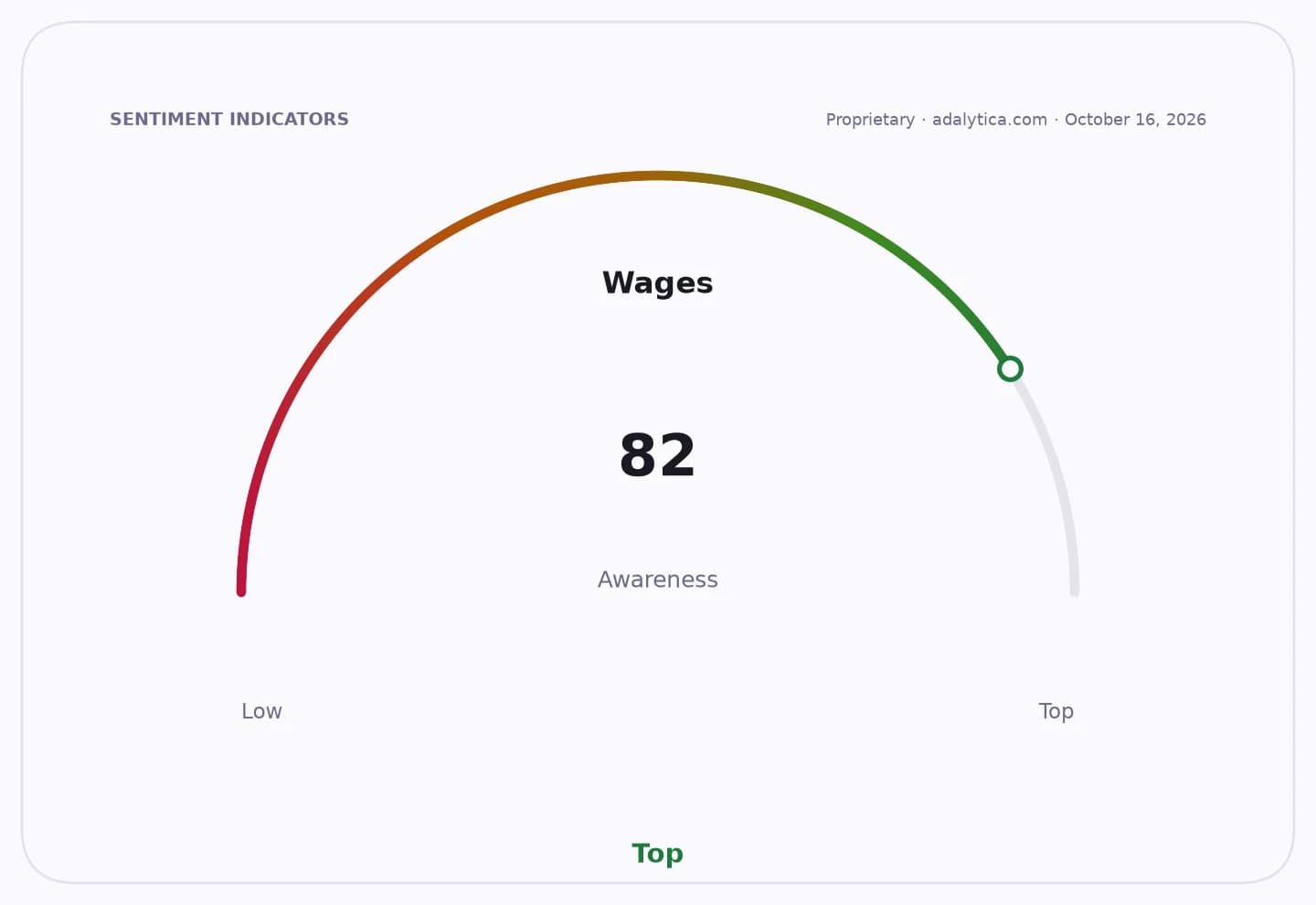
Sentiment Indicators
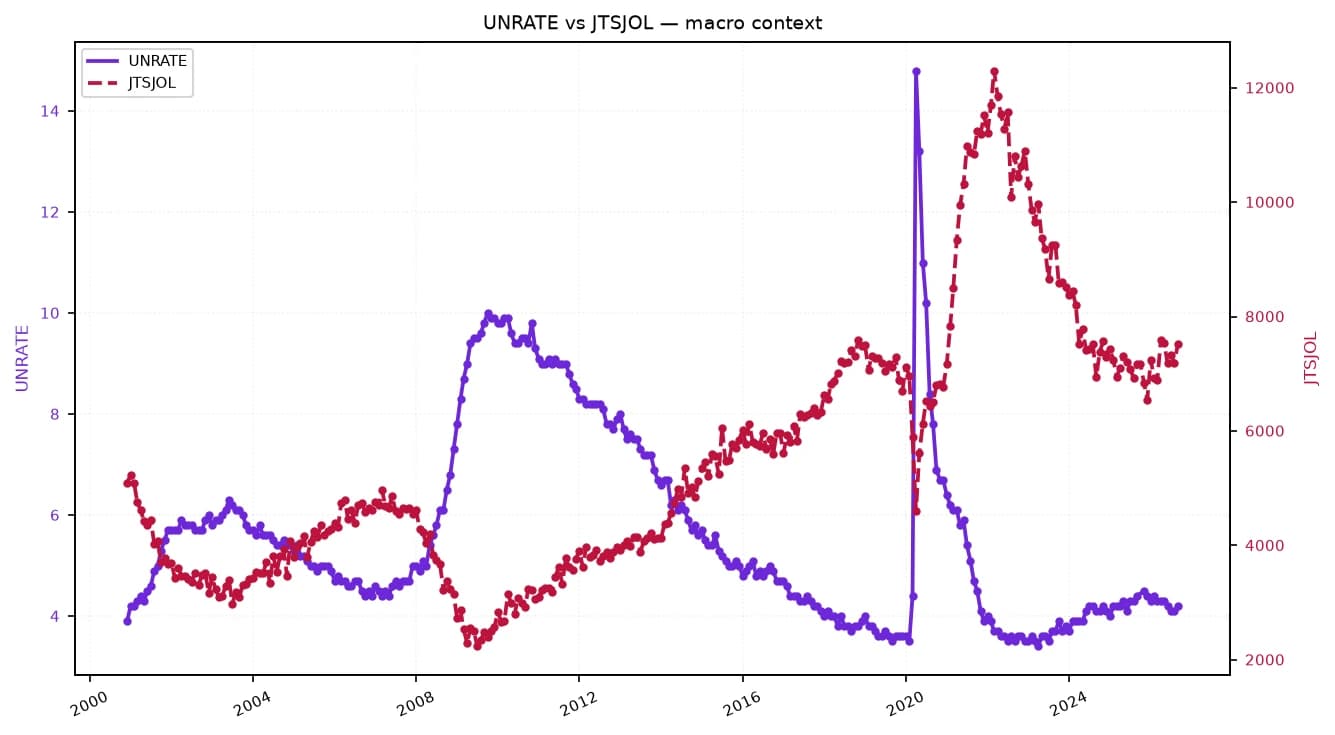
That backdrop helps explain why Upwork, ZipRecruiter and Manpower remain relevant even as the broader U.S. unemployment rate sits near 4.1% to 4.2% in the latest readings and is forecast to hover around 4.11% in November. The labor market is not in crisis, but it is not so tight that employers have abandoned flexible staffing, either. Job openings are still running in the 7.2 million to 7.5 million range, leaving plenty of room for companies to fill gaps with freelancers, temporary workers and recruiters instead of committing to full-time hires.
That is the economic appeal of contract work: it lets companies protect margins and adjust faster when growth is uncertain. It is also why staffing and online talent marketplaces remain tied to the health of the economy. Manpower’s shares have climbed from the mid-20s earlier this year to the mid-40s, while Upwork has recovered to about $10 after sliding to the low teens in February. ZipRecruiter has been even more volatile, surging above $6 this month after trading below $2 earlier in the year. Those moves show that investors are still hunting for signs that flexible labor demand is stabilizing.
The macro picture supports that view. The federal funds rate forecast around 3.89% next month suggests borrowing costs are easing only gradually, which should help employers eventually, but not enough to unleash a big hiring boom. In that kind of environment, companies usually prefer to keep labor costs variable. Contracting and temp hiring are often the first places they go.
For investors, the key question is not whether contract work is “better” than full-time employment in the abstract. It is whether the flexible-work model can keep growing enough to support earnings over several years. Upwork benefits if more businesses keep outsourcing specialized work. ZipRecruiter wins when employers keep posting jobs and paying for distribution. Manpower gains when companies want staffing help without long-term commitments. The risk is that a softer economy or weaker consumer spending can quickly reverse those gains.
That is where the long-term investing lesson comes in: contract work is not a fad, but it is cyclical. If you are building a portfolio, the better approach is to watch for companies that can compound through multiple labor-market cycles rather than trying to time every swing in hiring sentiment. For workers, the same principle applies in reverse — flexibility can be powerful, but so can stability. The best decision depends on your cash needs, risk tolerance and career stage, not just the paycheck. For investors, these names are worth watching, but patience and diversification still matter most.
| Entity | Gains | Losses |
|---|---|---|
| Upwork | ▲More freelance demand | ▼Firms cutting project spend |
| ZipRecruiter | ▲Stronger hiring activity | ▼Job seekers in a weak market |
| Manpower | ▲Flexible staffing demand | ▼Permanent-hire growth |
| Full-time workers | ▲Income stability | ▼Less flexibility to pivot |