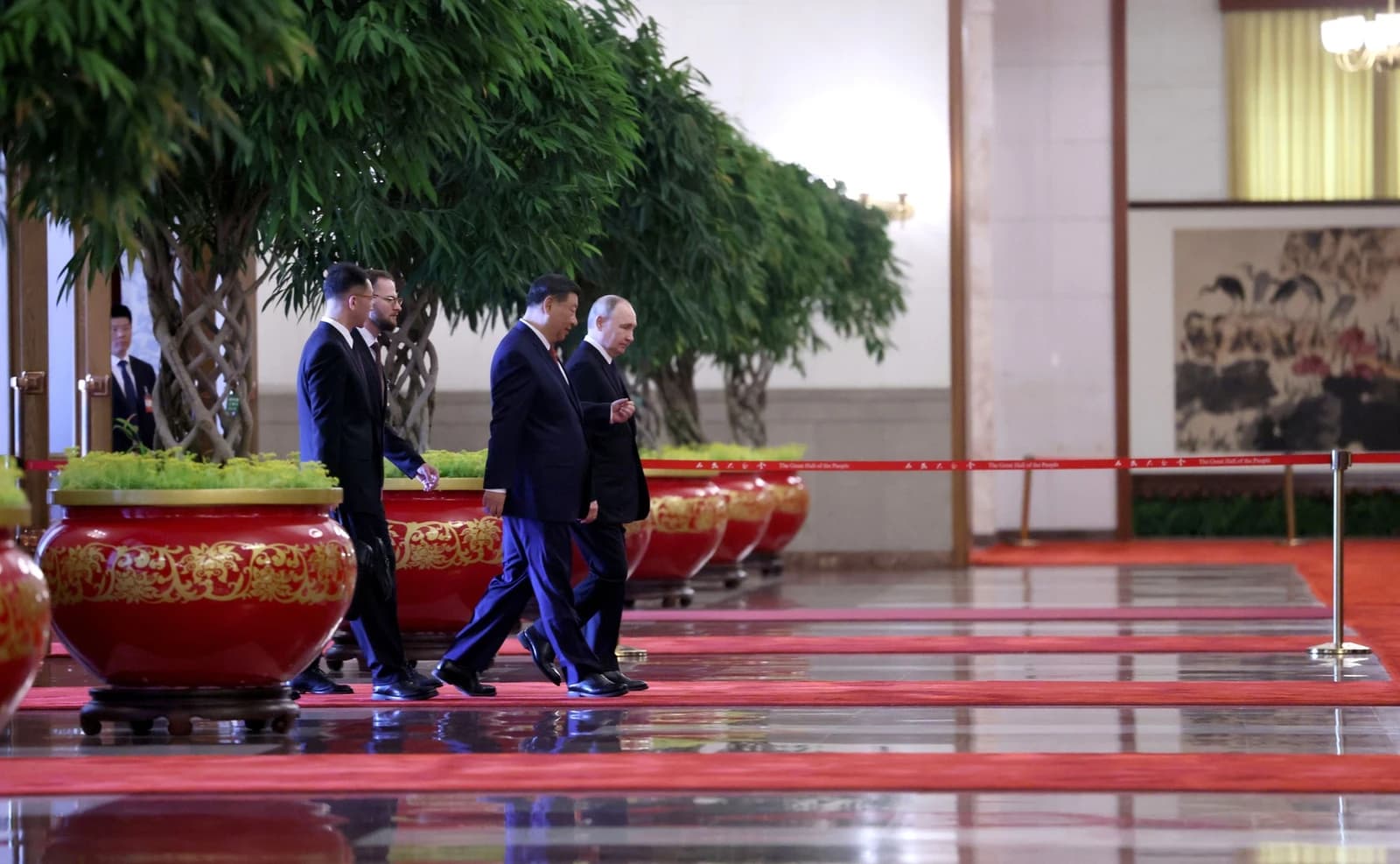
The U.S. is pressing China in private talks over allegations that Beijing has carried out secret low-yield nuclear tests, intensifying fears that the three-decade-old global moratorium on testing could come under strain.
U.S. Presses China on Alleged Nuclear Tests
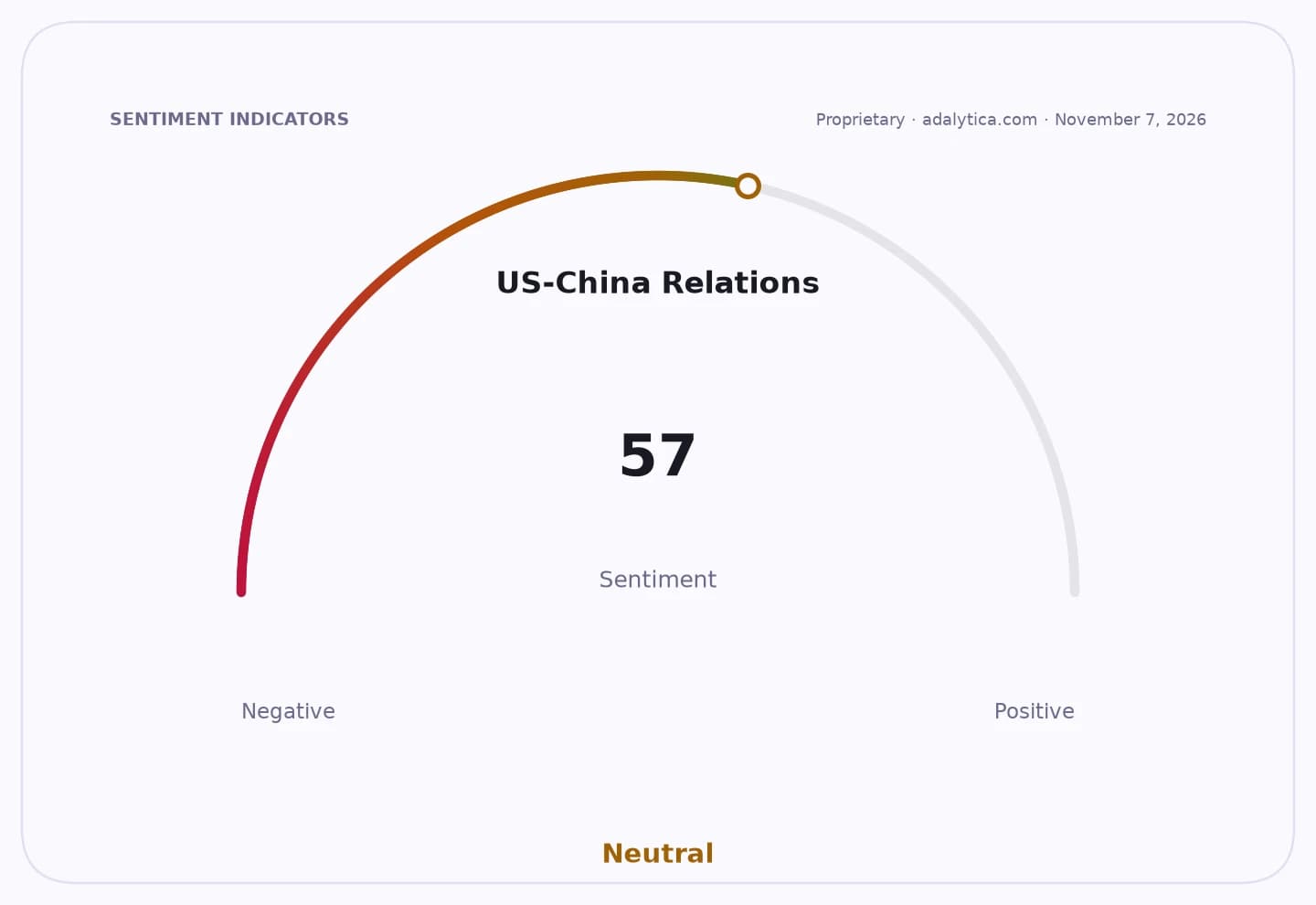
US-China Relations
The Wall Street Journal reported that U.S. officials raised the issue in three meetings on the sidelines of multilateral gatherings in Geneva, New York and Casablanca, as Washington seeks answers on what it sees as a rapidly expanding Chinese nuclear arsenal. The discussions are not yet aimed at a formal arms-control deal, but at risk-reduction steps and new verification mechanisms.
Sentiment Indicators
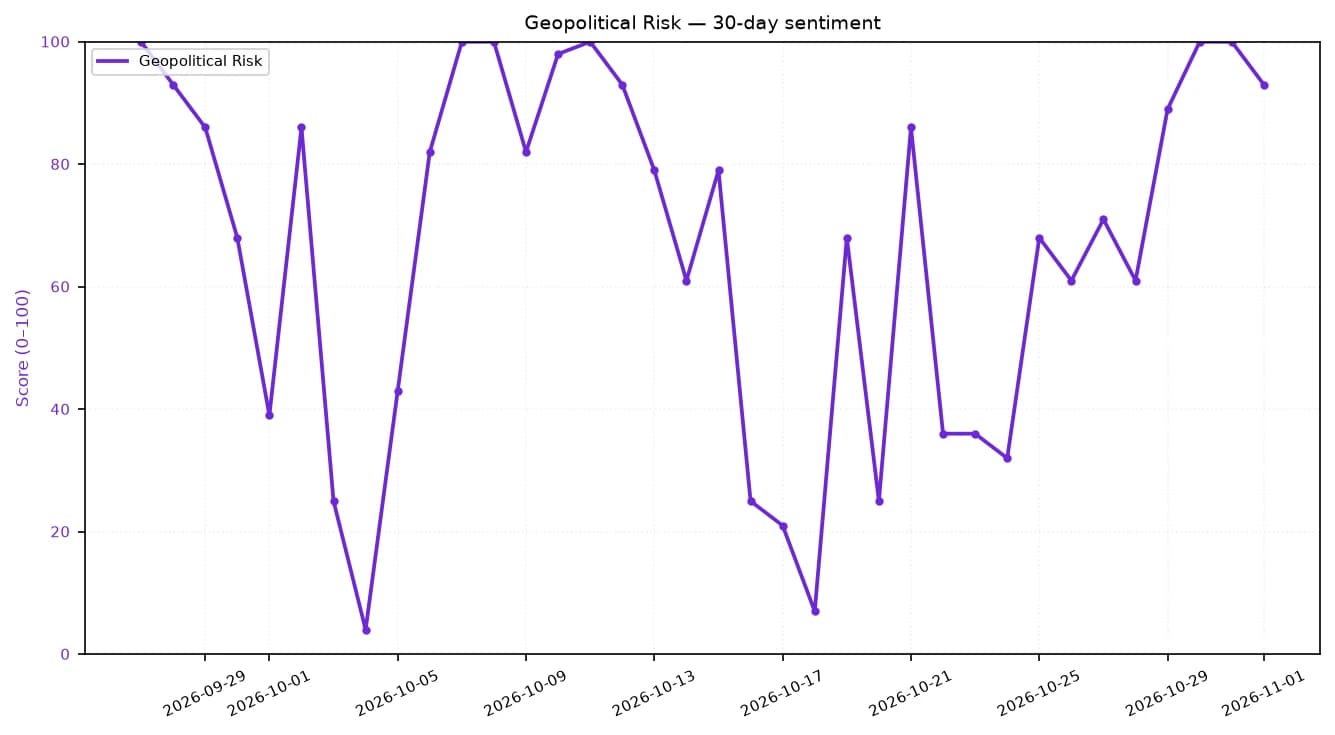
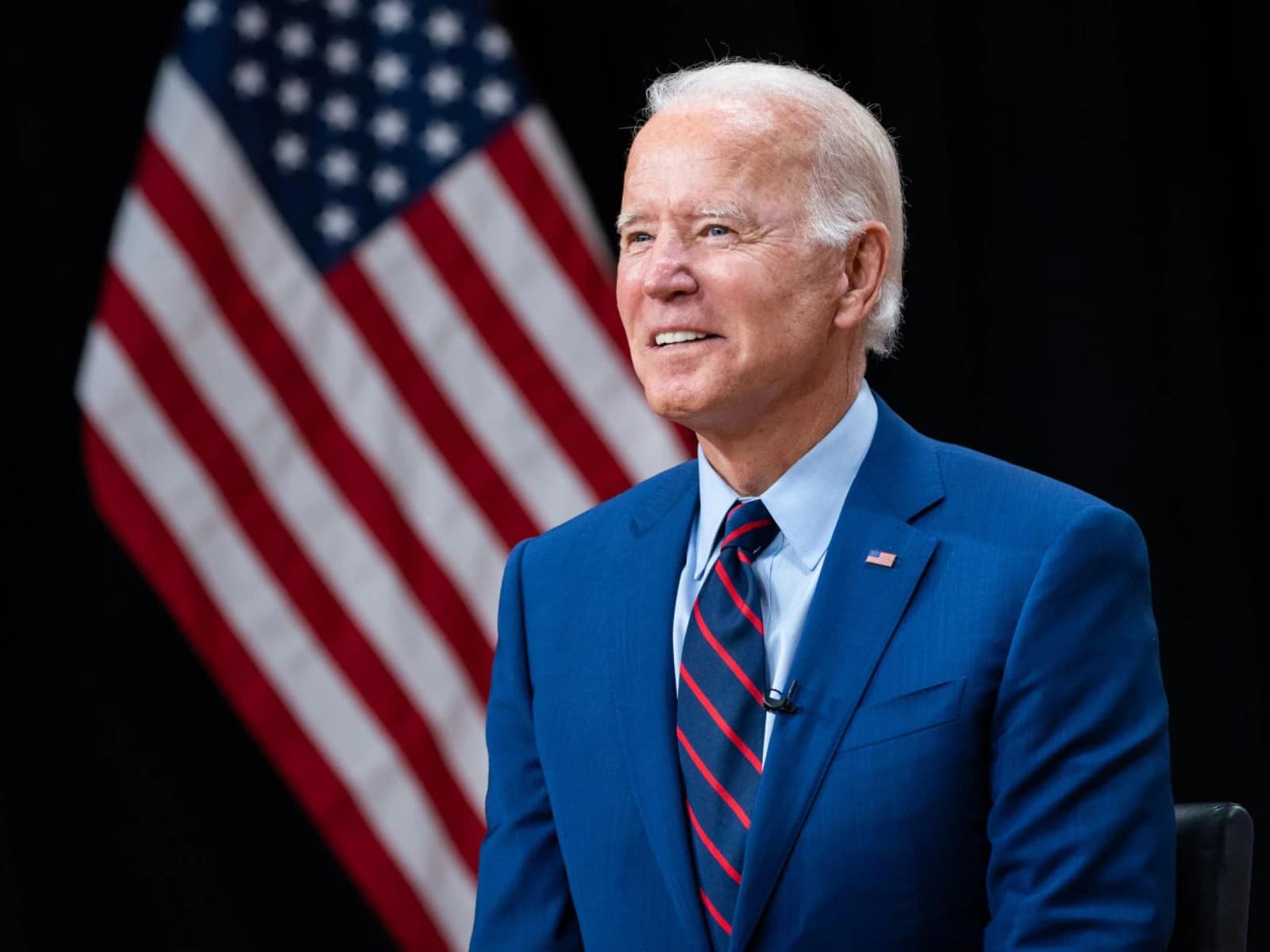
The timing matters because any erosion of the testing taboo would deepen already elevated geopolitical risk and complicate U.S.-China ties at a moment when both sides are expanding strategic capabilities. President Donald Trump has already ordered the Pentagon to prepare for a resumption of U.S. nuclear testing, saying other countries were testing and that Washington should keep pace.
Russia has warned that a U.S. test would effectively end the long-standing de facto global pause. That raises the stakes for investors in defense, uranium and nuclear fuel supply chains, where expectations for a longer-lived nuclear buildout have already supported valuations.
Uranium miners and nuclear-fuel companies were mixed in recent trading as the nuclear theme remained in focus. Uranium Energy Corp fell to $9.29, down from $9.41 on Sept. 25 and well below its 50-day moving average of $10.81, while Centrus Energy slipped to $138.18 from $147.07 and stayed under both its 50-day average of $171.01 and 200-day average of $202.16. Cameco closed at $86.88, also below its 50-day average of $94.84 and 200-day average of $105.76.
The pullback in those shares suggests investors are taking some profit after a strong run, even as the geopolitical backdrop remains supportive for the sector. Centrus has recently signed supply contracts for high-assay low-enriched uranium, underlining how demand for nuclear fuel remains tied to Western efforts to reduce dependence on Russian supply.
The broader market backdrop still reflects rising tension. Adalytica’s U.S.-China relations sentiment gauge is at 89, labeled “Extreme Greed,” while its global stability reading is 86, also “Extreme Greed,” indicating heightened attention to geopolitical risk.
The immediate catalyst is whether Washington publicly escalates its pressure on Beijing or moves closer to resuming its own testing posture, any of which could drive another leg higher in defense and nuclear-related stocks. More broadly, investors will watch for signs that the taboo against testing is weakening into a new strategic arms race.
| Entity | Gains | Losses |
|---|---|---|
| Defense contractors | ▲Higher spending expectations | ▼Delay in de-escalation |
| Uranium miners | ▲Nuclear-fuel demand narrative | ▼Near-term profit-taking |
| Nuclear fuel suppliers | ▲Contracting urgency | ▼Policy uncertainty |
| U.S.-China relations | ▲Pressure for verification | ▼Trust and stability |