The United States is warning China not to support Iran, sharpening a geopolitical fight that could keep crude prices volatile, deepen pressure on Chinese assets and complicate already fragile global risk sentiment.
US Warns China Over Support for Iran, Oil Jumps
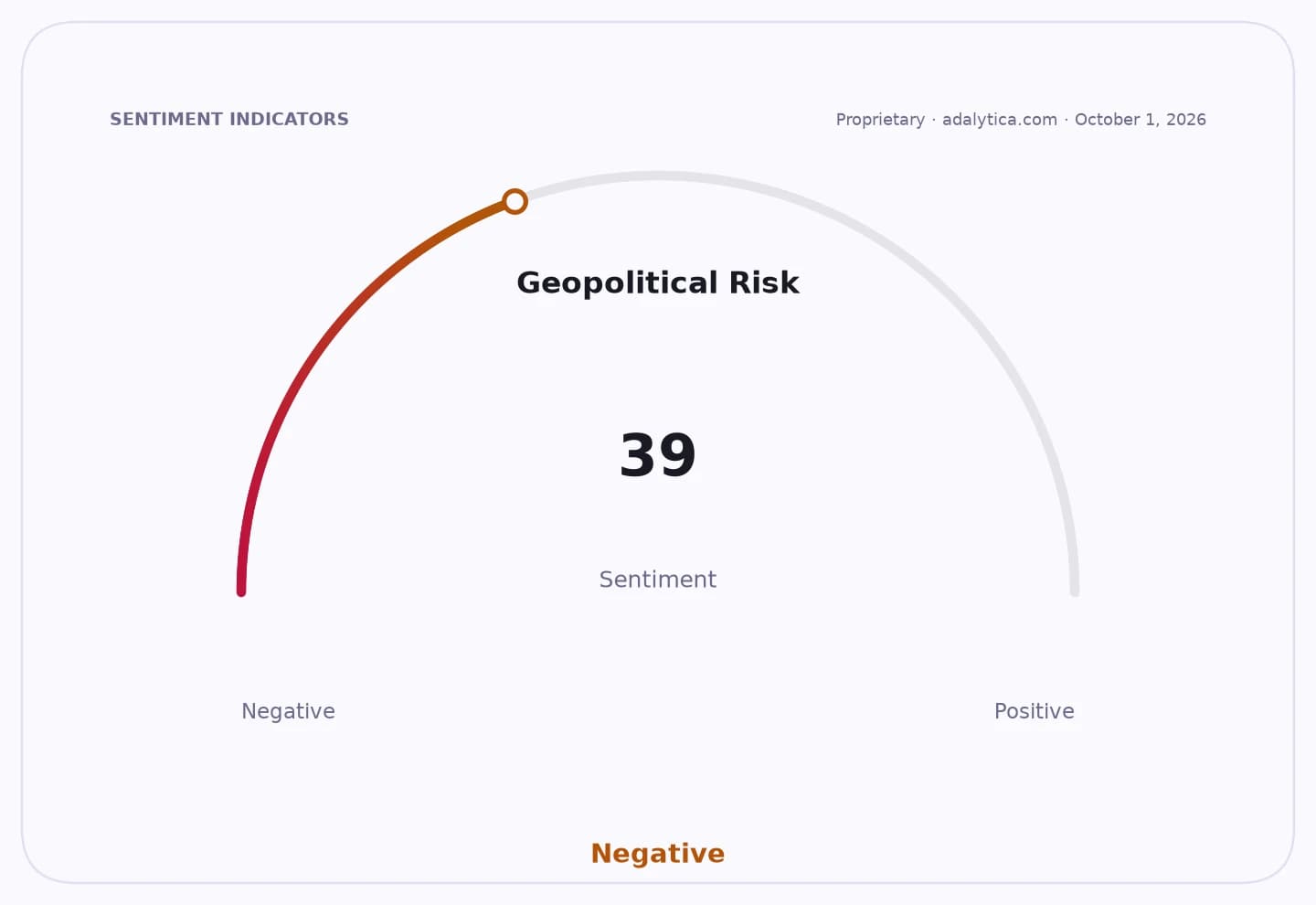
The warning matters because any closer China-Iran alignment raises the stakes around sanctions enforcement, Middle East security and energy flows through key shipping routes. For investors, that means more upside risk in oil, more headline-driven swings in China equities and a harder path for diplomacy between Washington and Beijing.
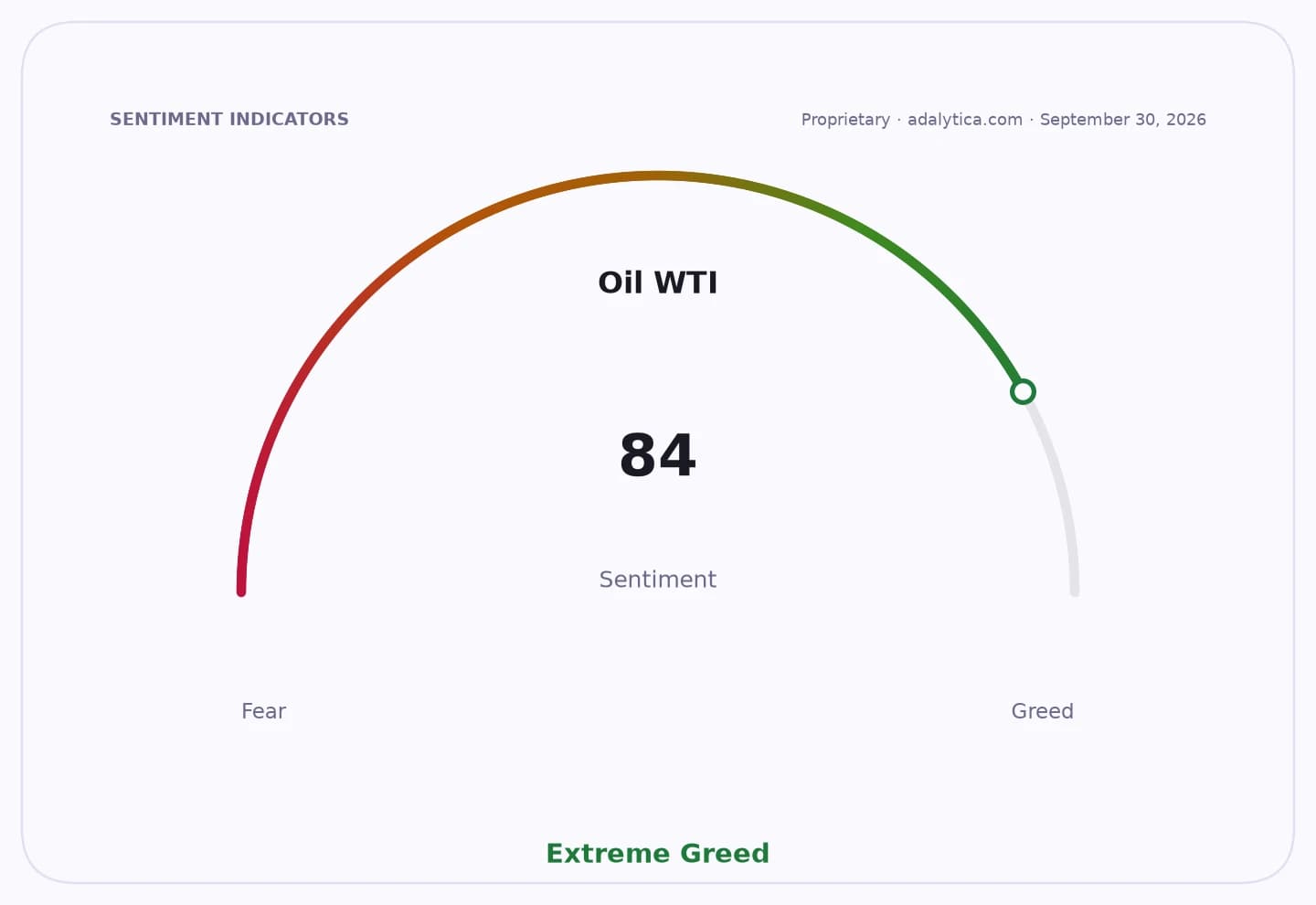
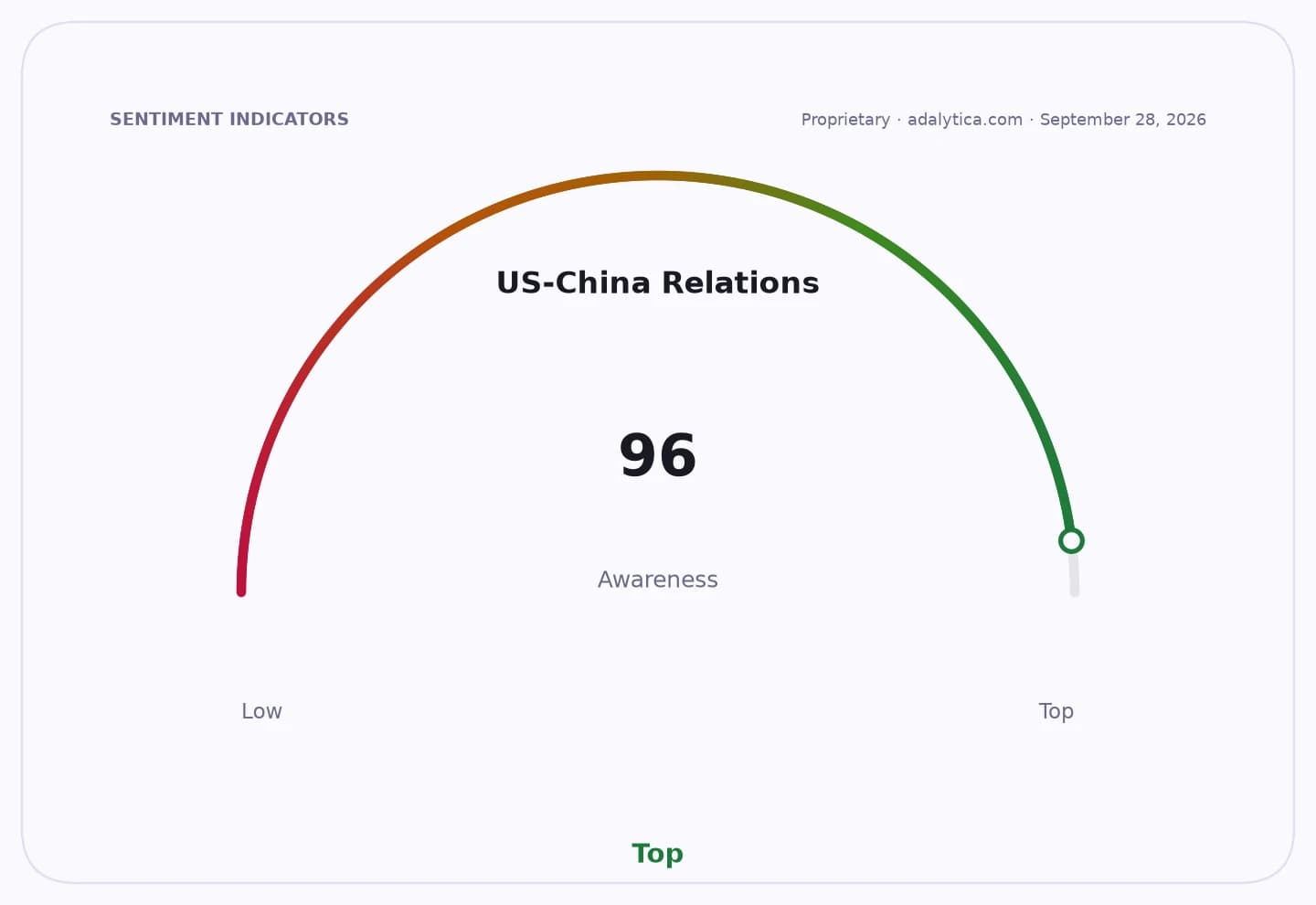
Sentiment IndicatorsⓘProprietary · adalytica.com · October 1, 2026
This is a snapshot — live sentiment, awareness and momentum for 130+ markets update continuously in the dashboard.Open AlphaPulse
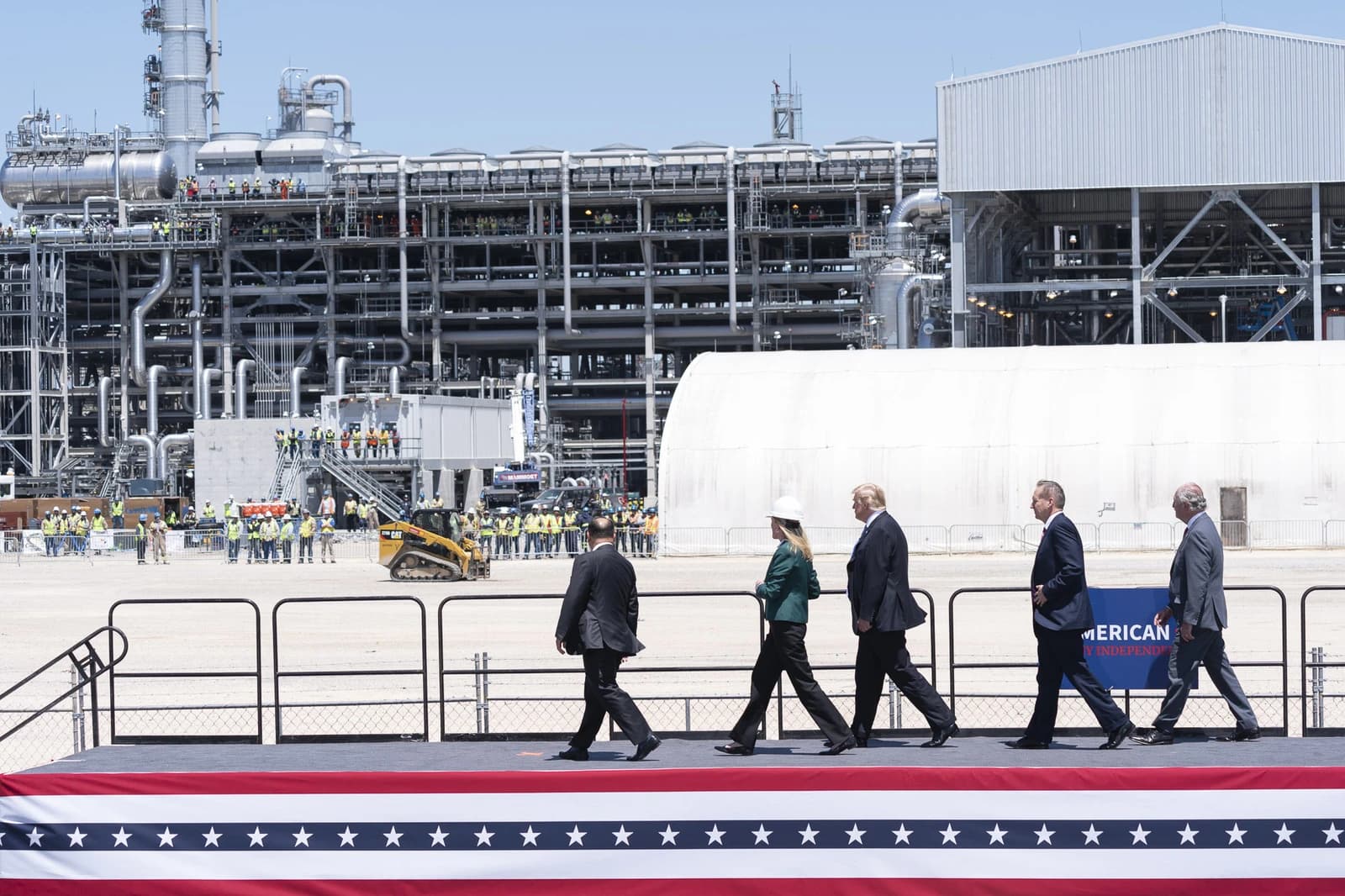
USO, the U.S. oil ETF, has surged sharply over the past month, with its latest close at $145.66 after touching $161.86 in September, far above its 50-day moving average of $136.84 and 200-day moving average of $114.37. The move underscores how fast traders are pricing in geopolitical risk when tensions around Iran escalate.
The crude rally has also been technically extended. USO’s RSI reading has fallen from overbought levels but remained elevated at 37.9 on Sept. 30 after hitting 91.0 earlier this month, while price remains well above its long-term trend line. That leaves energy markets vulnerable to sharp swings on any new sanctions, supply disruption or diplomatic escalation.
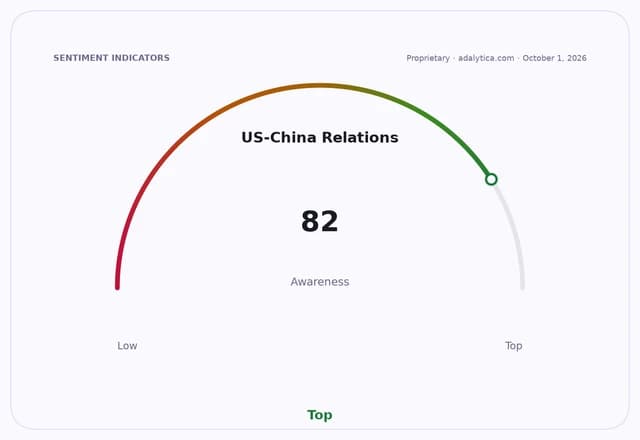
Chinese equities have not escaped the pressure. The FXI China ETF closed at $34.02 on Sept. 30, below both its 50-day moving average of $35.17 and 200-day moving average of $36.11, suggesting investors are still discounting growth and policy risk even as Beijing resists Washington’s pressure.
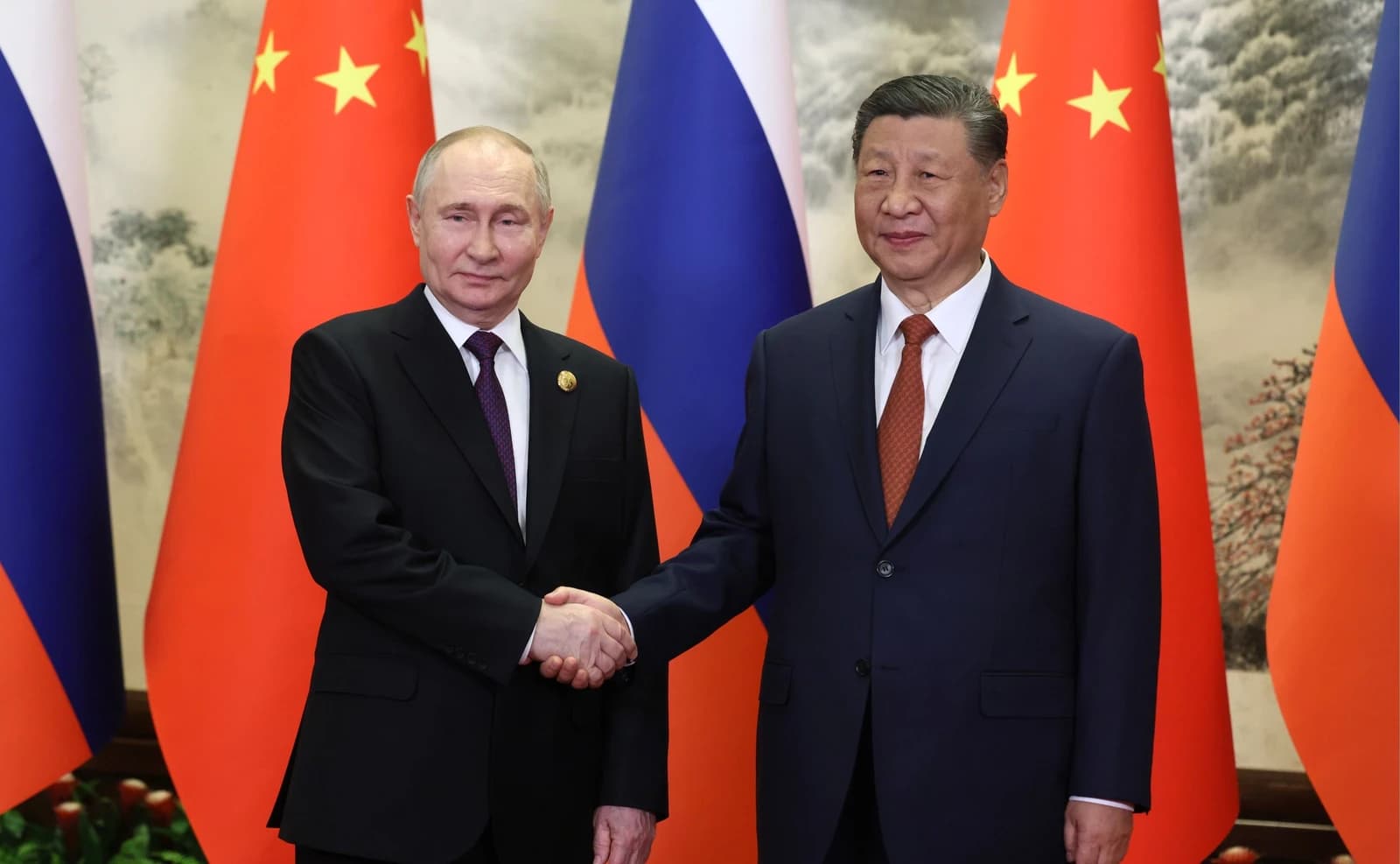
The immediate backdrop is worsening. Beijing has condemned U.S. sanctions on Iranian airlines, revived a defense agency tied to support for Iran and, along with Russia, vetoed a U.S.-backed UN resolution on monitoring Iran sanctions. At the same time, China is also pressing Tehran to restrain Houthi attacks, highlighting how Beijing is trying to balance strategic support for Iran with the economic risk of wider regional disruption.
That leaves markets focused on two questions: whether Washington expands sanctions and secondary penalties, and whether Beijing sees Iran as a bargaining chip or a line it is willing to defend. Oil traders, bank compliance teams and holders of China-sensitive assets will be watching for any follow-up from the White House, the State Department or Chinese officials in the coming days.
| Entity | Gains | Losses |
|---|---|---|
| U.S. oil producers | ▲Higher crude prices | ▼— |
| China/FXI shareholders | ▲— | ▼Sanctions risk, weaker sentiment |
| Iran | ▲Diplomatic backing from China/Russia | ▼More U.S. pressure |
| Global consumers | ▲— | ▼Higher energy costs, volatility |