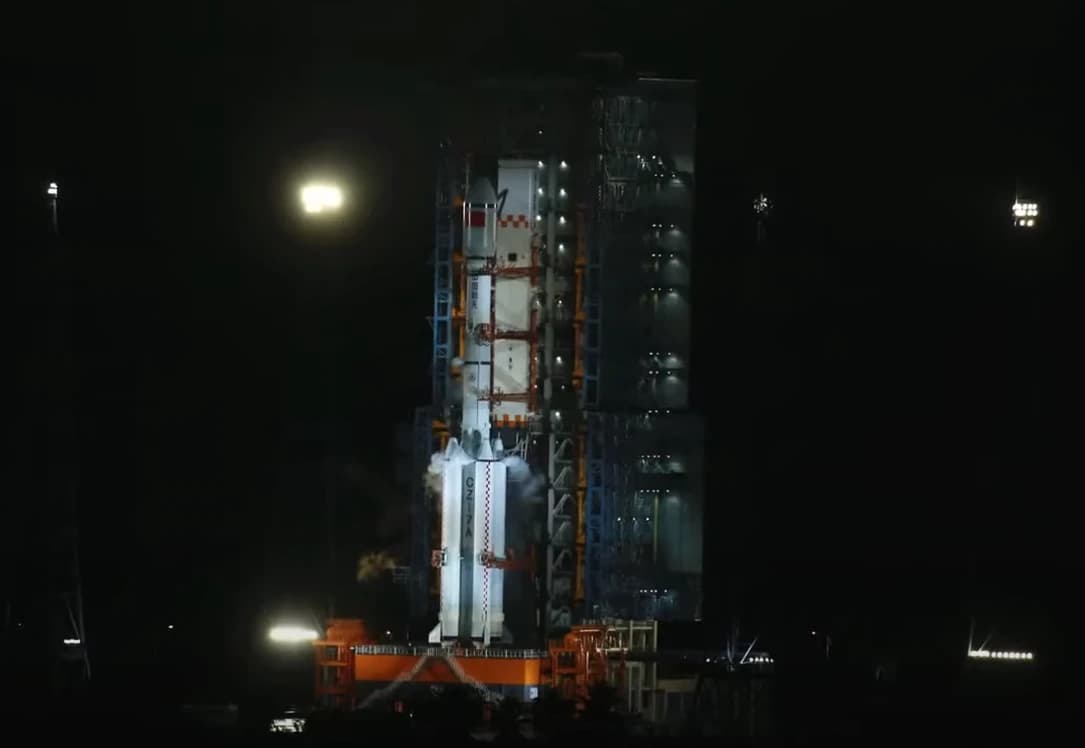
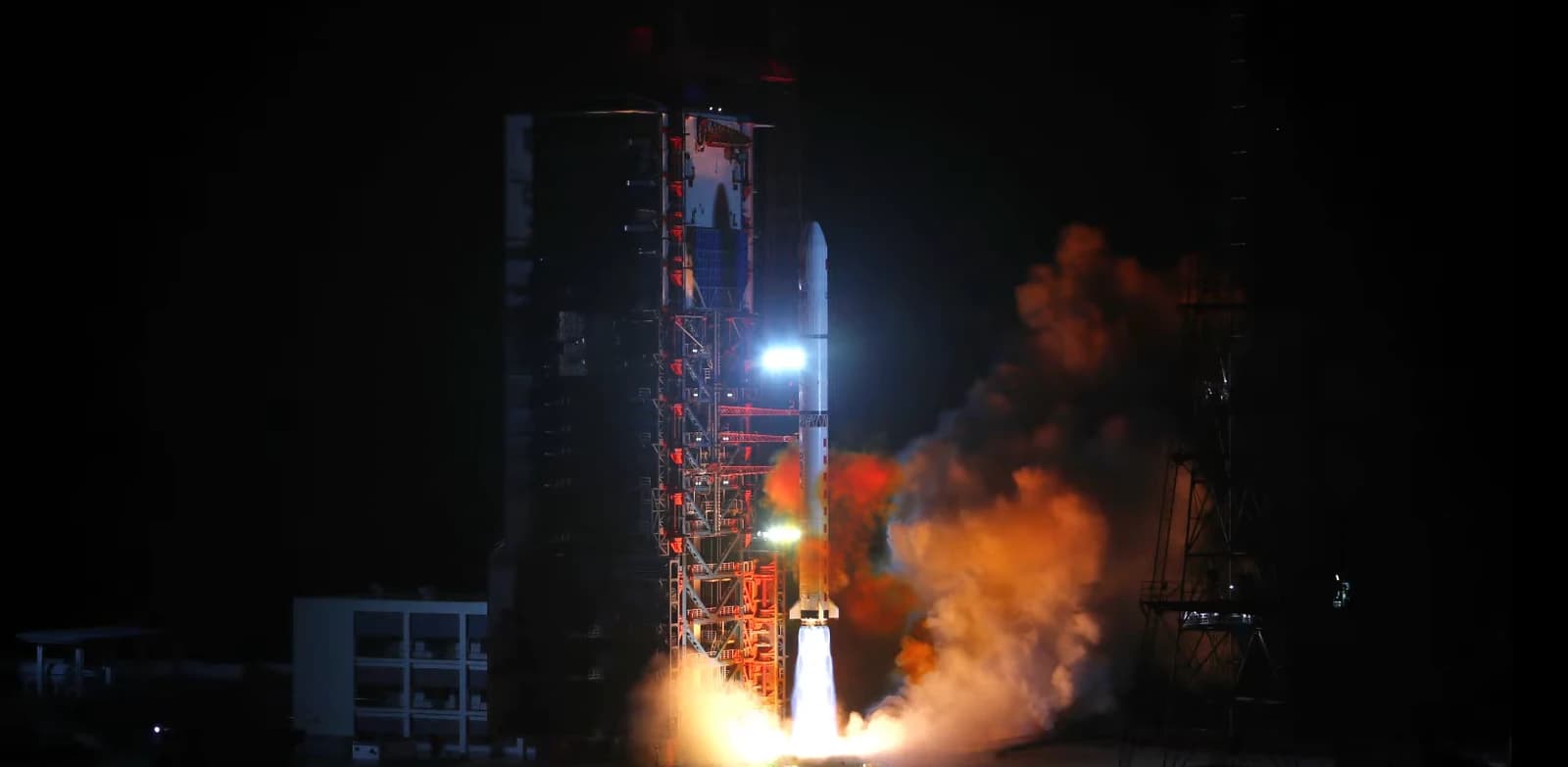
The U.S. and China are moving the space rivalry from prestige and commerce into military doctrine, with both sides developing satellites, spaceplanes and counterspace systems that could shape the opening phase of any future conflict.
U.S.-China space rivalry boosts defense spending

That shift matters because modern armed forces now depend on orbit for communications, targeting, navigation and missile defense. If those systems are disabled, the impact would not be confined to space: it would ripple through battlefield coordination, air defense and intelligence gathering on Earth. In that sense, orbital warfare is becoming a strategic issue with direct economic and market consequences, not just a geopolitical talking point.
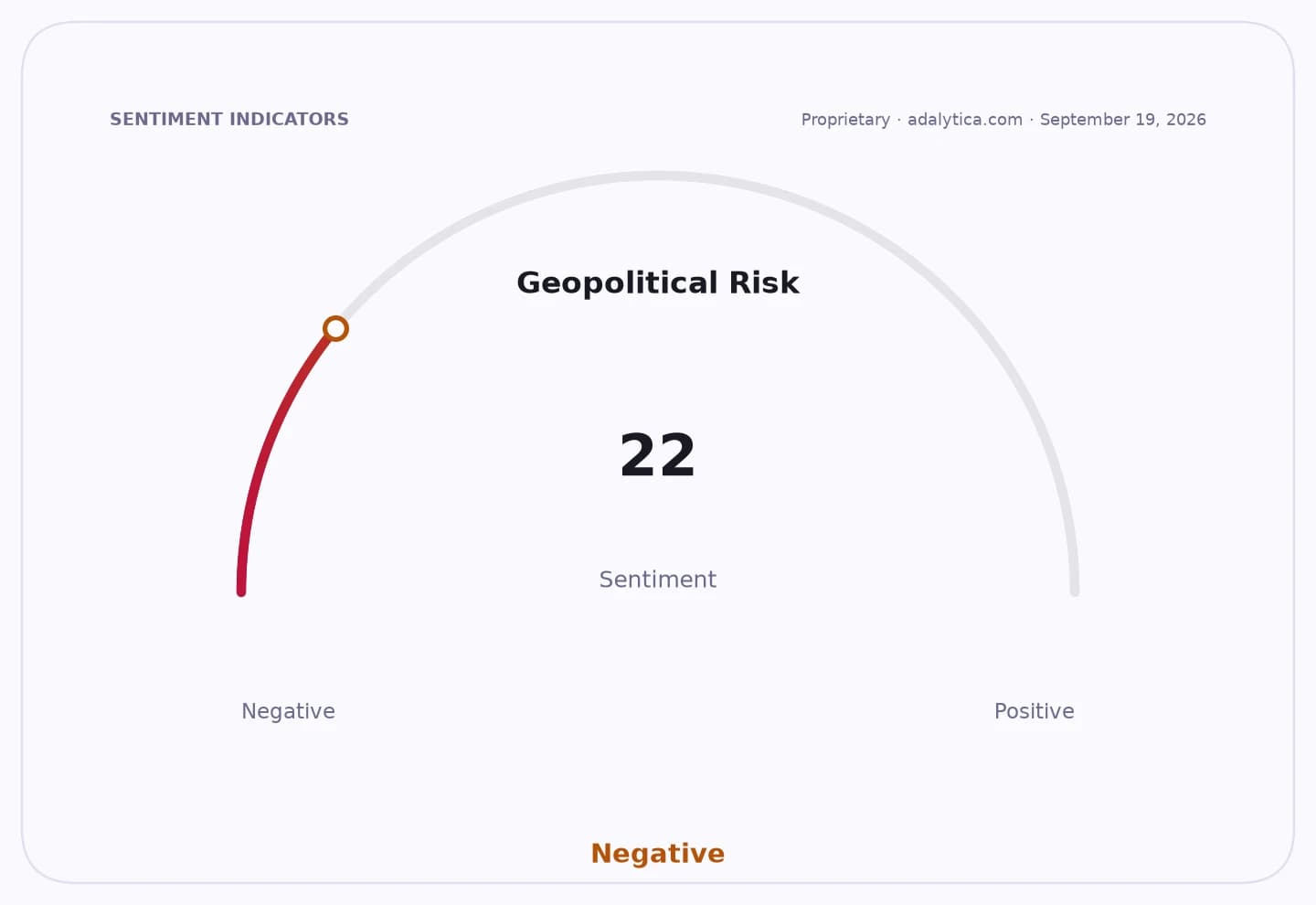
Sentiment IndicatorsⓘProprietary · adalytica.com · September 4, 2026
This is a snapshot — live sentiment, awareness and momentum for 130+ markets update continuously in the dashboard.Open AlphaPulse

Reuters reporting shows the competition has already moved beyond theory. Chinese researchers linked to the military are working on satellites that can stalk, inspect and potentially seize other spacecraft, along with propulsion and fuel-extension technologies that would let them stay active longer in a contest of maneuver and persistence. U.S. officials say Chinese satellites have practiced synchronized “dogfights” in orbit and even moved a dead satellite to a new trajectory, signs that Beijing is building a more active counterspace toolkit.
The U.S. is answering in kind. Last September, American and British forces carried out a joint military operation in space, nudging a U.S. satellite close to a British one as a Chinese Shiyan satellite passed below them, in what several military space experts described as a deliberate signal to Beijing. Separately, the Pentagon has now acknowledged deploying a ground-based electromagnetic weapon made by L3Harris Technologies to jam or disrupt hostile satellites.
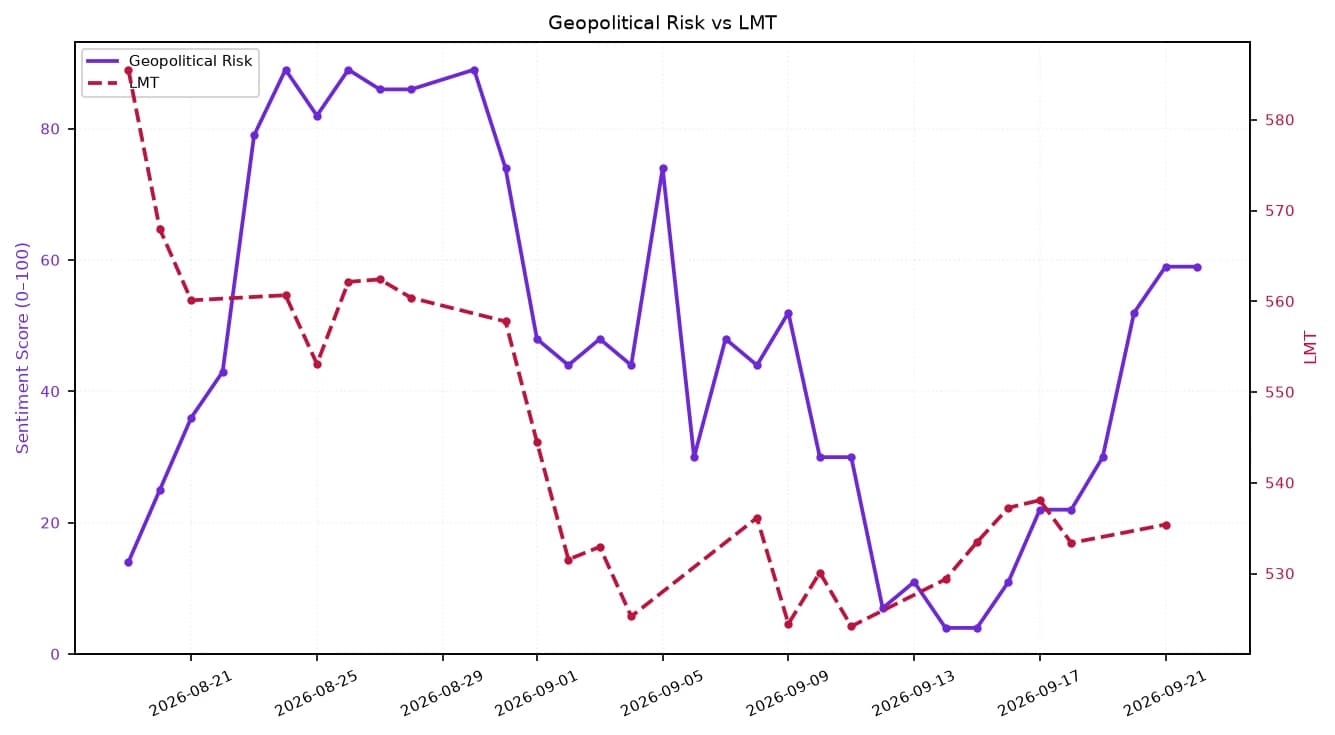
US-China Relations vs LMTadalytica.com
Explore this data interactively — full history, time series and cross-market comparisons.Open AlphaPulse

The broader economic significance is that space is no longer a passive infrastructure layer. It is becoming contested capital stock. The more assets are concentrated in orbit, the more incentives grow to harden, replace and defend them, which should sustain spending on satellites, launch services, space domain awareness, electronic warfare and missile defense. That helps explain why defense contractors with space exposure remain central beneficiaries even when their share prices gyrate on short-term sentiment.
Investors are already pricing that theme unevenly. Lockheed Martin, Northrop Grumman and RTX all have direct exposure to missiles, sensors and space systems, but the market is differentiating between near-term execution and longer-cycle demand. Lockheed’s shares recently dropped back toward the low-$530s after running above $600, while Northrop Grumman also retreated after a strong move earlier in the year. RTX, by contrast, has been less directly tied to the orbital weapons narrative, though its integrated air and missile defense franchises still stand to benefit from a more militarized space environment.
The policy backdrop points to further spending. U.S. Space Force leaders have been increasingly explicit that space must be treated as a warfighting domain, not just a support function. General Stephen Whiting has argued the U.S. needs to be ready not only to protect its own systems but to threaten or strike enemy assets if deterrence fails. That is one reason the Trump administration’s proposed Golden Dome missile shield and other space-based intercept concepts matter: they imply a longer investment cycle for orbital defenses and the industrial base behind them.
China, for its part, says it opposes militarizing space and accuses Washington of escalating an arms race. That argument is unlikely to slow procurement on either side. A crowded orbit, where SpaceX already operates roughly 11,000 Starlink satellites and China is building rival constellations, leaves less room for ambiguity and more for surveillance, proximity operations and electronic attack. The commercial space economy is therefore being pulled into the logic of deterrence.
For investors, the key question is not whether space becomes more important — it already has — but whether the new competition accelerates budgets for the companies able to build protected satellites, anti-jam systems, interceptors and orbital sensing networks. The bull case is that this is a multi-year modernization cycle with few near-term substitutes. The bear case is that much of the spending remains classified, lumpy and vulnerable to budget timing, while technical escalation raises program risk and policy backlash. Either way, the space race is no longer symbolic. It is becoming a procurement war.
| Entity | Gains | Losses |
|---|---|---|
| Lockheed Martin | ▲Space and missile demand | ▼Budget and execution risk |
| Northrop Grumman | ▲Counterspace and C4ISR spending | ▼Weaker share momentum |
| RTX | ▲Missile-defense demand | ▼Less direct space upside |
| China and U.S. militaries | ▲Strategic reach in orbit | ▼Higher escalation risk |