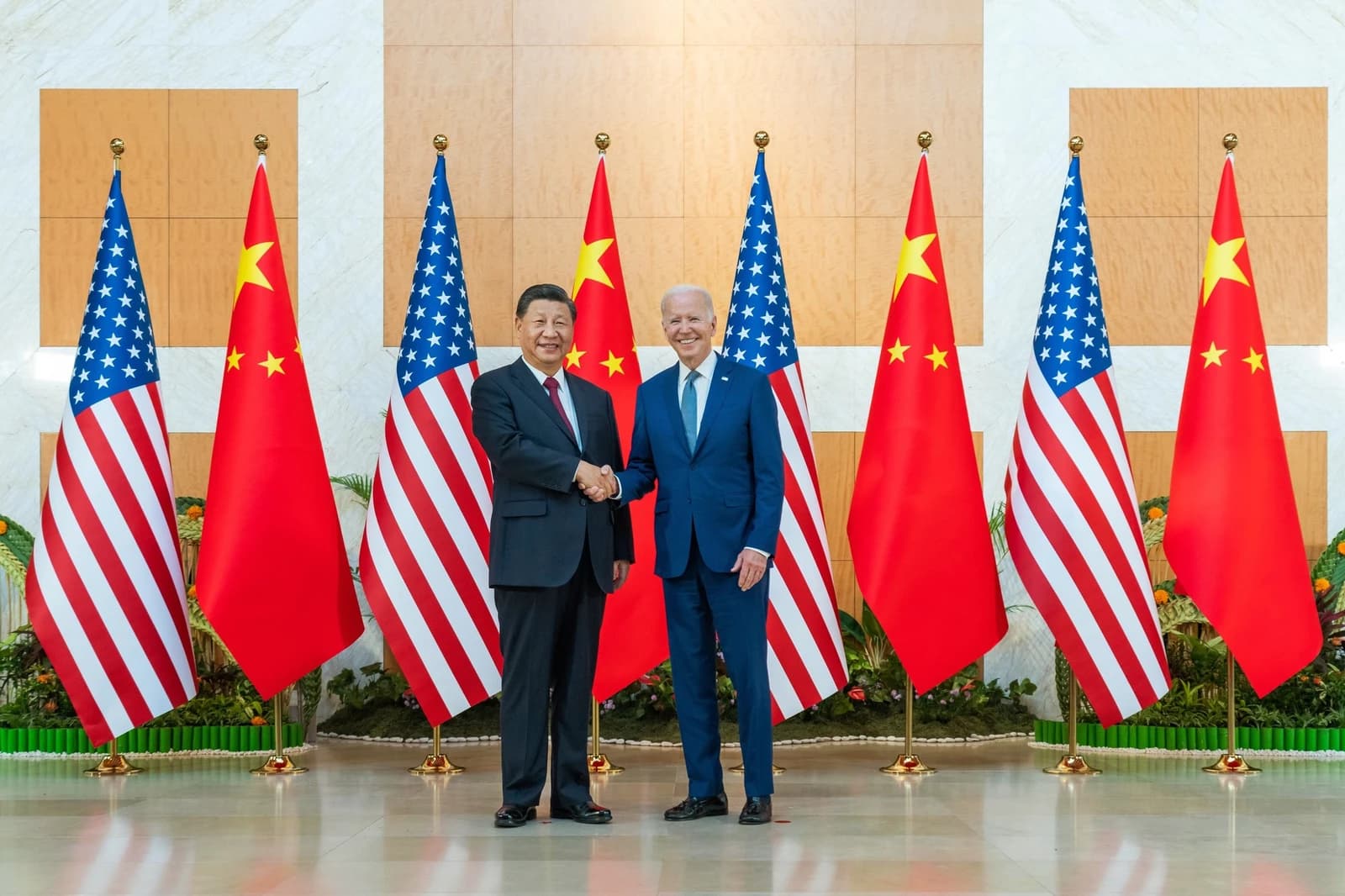
The U.S. is signaling that it wants to keep the China relationship stable rather than use Xi Jinping’s upcoming visit for a sweeping trade breakthrough, a stance that points to smaller, sector-specific gains while preserving tariffs and export controls that still shape global supply chains.
U.S.-China Talks Focus on Limited Trade Gains

U.S. Trade Representative Jamieson Greer said Washington is aiming to “manage” ties with Beijing, not land a “big, comprehensive trade deal,” ahead of Xi’s expected Sept. 23-25 visit. Greer said the most likely progress will come in agriculture, non-tariff barriers and a possible carve-out for non-sensitive goods such as toys, games and fireworks.
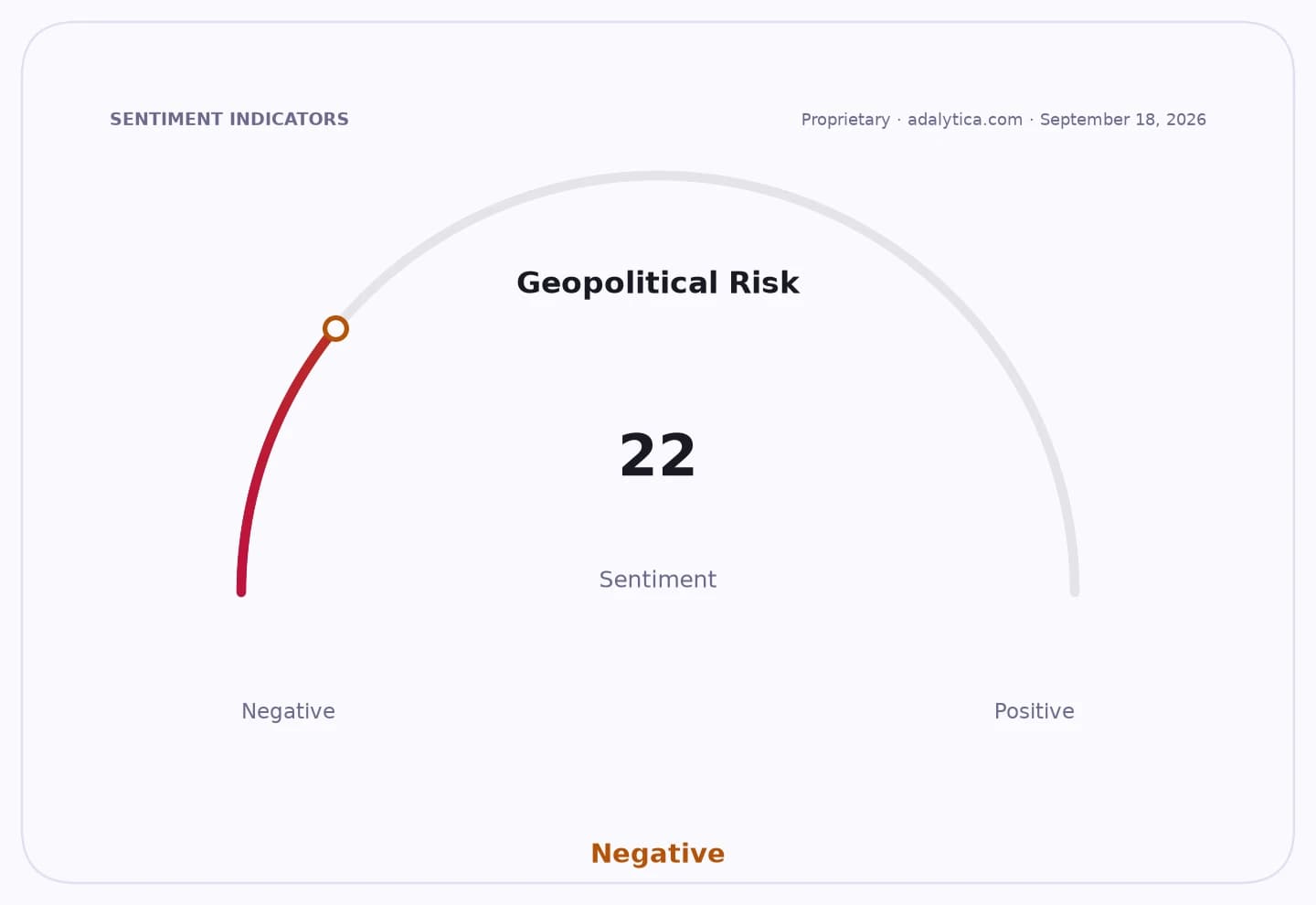
Sentiment IndicatorsⓘProprietary · adalytica.com · September 4, 2026
This is a snapshot — live sentiment, awareness and momentum for 130+ markets update continuously in the dashboard.Open AlphaPulse

That approach matters because it suggests the world’s two largest economies are trying to lower friction without dismantling the broader architecture of confrontation. Washington still wants to reduce its trade deficit with China, which Greer said narrowed to $202.7 billion last year, the lowest in several years, while keeping export controls in place on advanced U.S. technology for national security reasons.
For investors, the message is less about a grand thaw than a controlled de-escalation. That tends to support sentiment in China-sensitive shares and exchange-traded funds, even if it does not erase the structural risks tied to tariffs, semiconductors, rare earths and artificial intelligence restrictions.
US-China Relations vs FXIadalytica.com
Explore this data interactively — full history, time series and cross-market comparisons.Open AlphaPulse

Chinese equities with heavy U.S. policy exposure were firmer on the day. The FXI China large-cap ETF rose 1.52% to $35.88, while the KWEB internet ETF gained 2% to $26.05, helping offset earlier weakness. Apple shares slipped 2.5% to $319.97 after touching a recent high this week, while Nvidia and AMD remain exposed to any tightening or easing in export rules, according to recent filings.
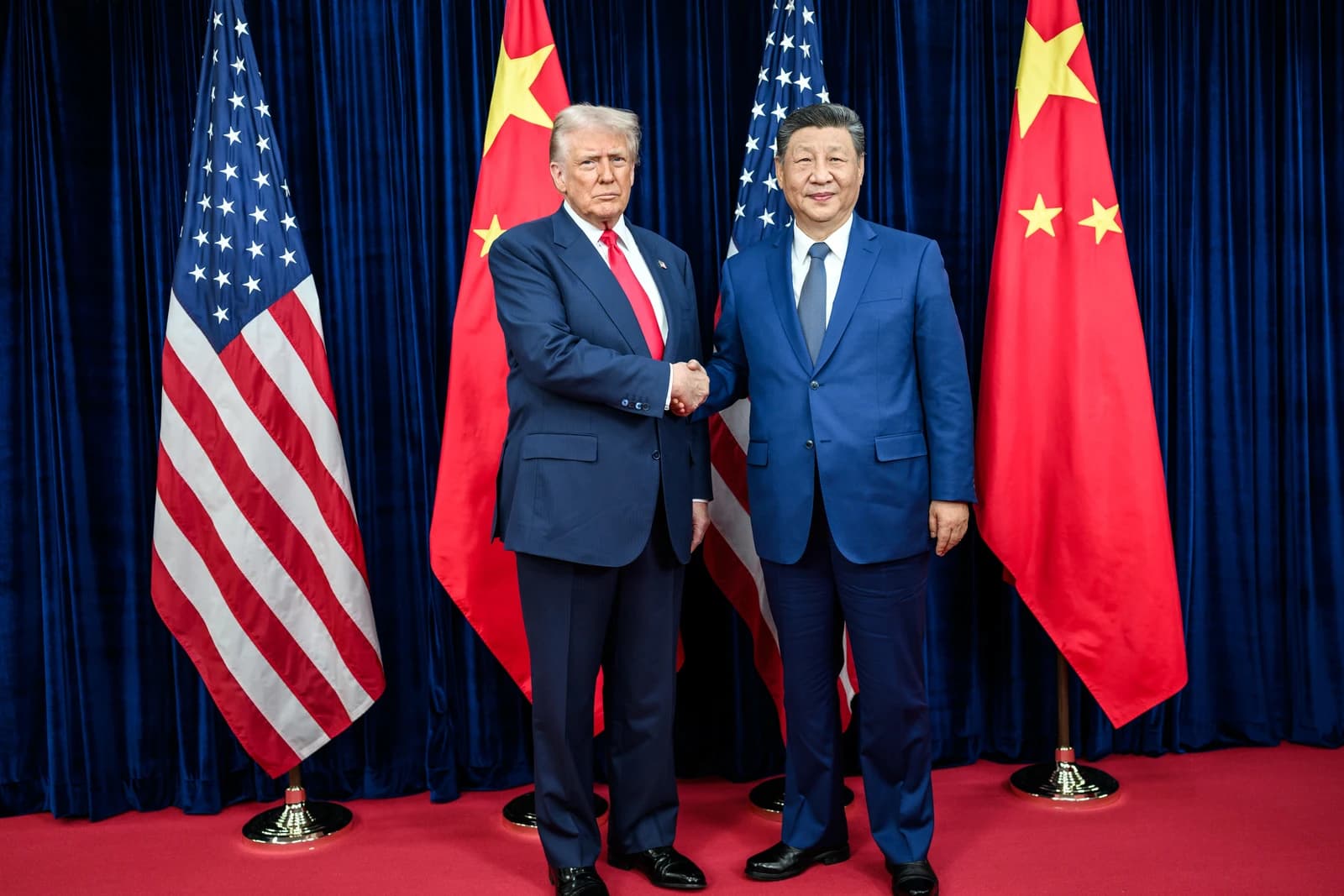
The backdrop is still fragile. Washington has added new sanctions tied to Iran that also hit Hong Kong-based and Chinese firms, while Beijing has warned against interference in its cooperation with Tehran. Even so, Greer’s comments point to a market narrative of incremental progress, not a reset, with the Xi-Trump meeting likely to test whether the two sides can extend their existing trade truce into agriculture and limited tariff relief.
The next catalyst is the Xi visit itself. Any announcement on farm purchases, non-tariff barriers or tariff exemptions would likely lift China proxies and industrial names with supply-chain exposure, while a lack of concrete progress could quickly pull sentiment back toward caution.
| Entity | Gains | Losses |
|---|---|---|
| China ETF holders | ▲Hope for easing | ▼Big-deal expectations |
| U.S. farm exporters | ▲More access to China | ▼Status quo barriers |
| U.S. tech exporters | ▲Stability in ties | ▼Export controls remain |
| Apple, Nvidia, AMD | ▲Lower policy risk | ▼Tariff and chip restrictions |