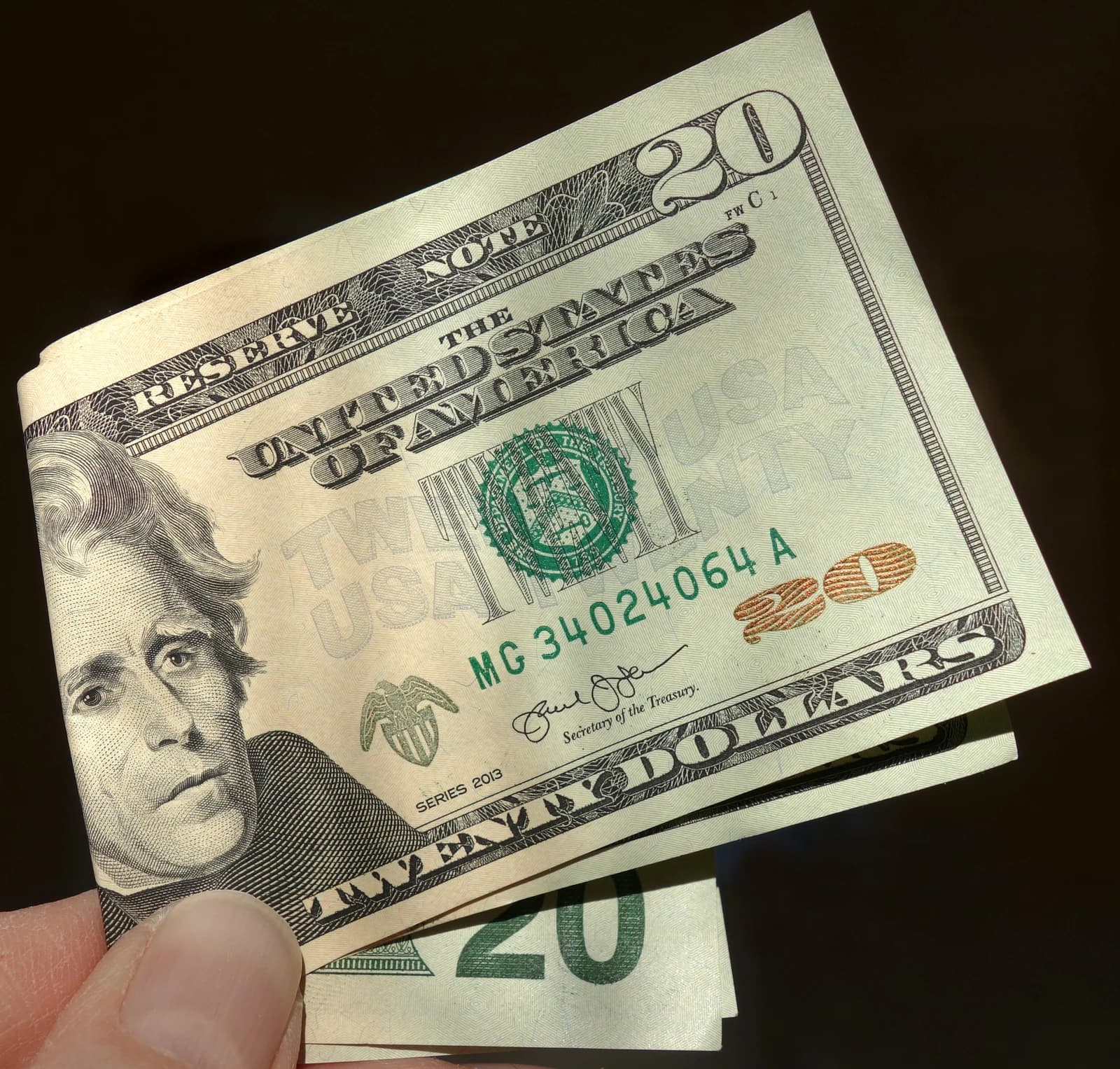
The U.S. dollar index eased toward 101.50 as traders priced in a higher chance the Federal Reserve will hold rates steady, with soft housing data and cooler Treasury yields reinforcing the view that policy tightening is near a pause.
U.S. Dollar Index Falls Toward 101.50 on Fed Pause Bets

That matters because the dollar remains one of the market’s main macro pressure points: a weaker greenback tends to support commodities, ease funding stress for global borrowers and improve overseas earnings translations for U.S. multinationals. At the same time, it can complicate the inflation outlook if energy prices keep rising.
Sentiment Indicators
Recent data added to the case for a pause. U.S. housing starts fell in September and pending home sales sank to record lows, underscoring how higher borrowing costs are still weighing on the real economy. The move lower in the dollar also came as the 2-year Treasury yield eased from 4.69% to 4.68% and the 10-year held at 5.0%, keeping rate differentials from offering fresh support to the currency.
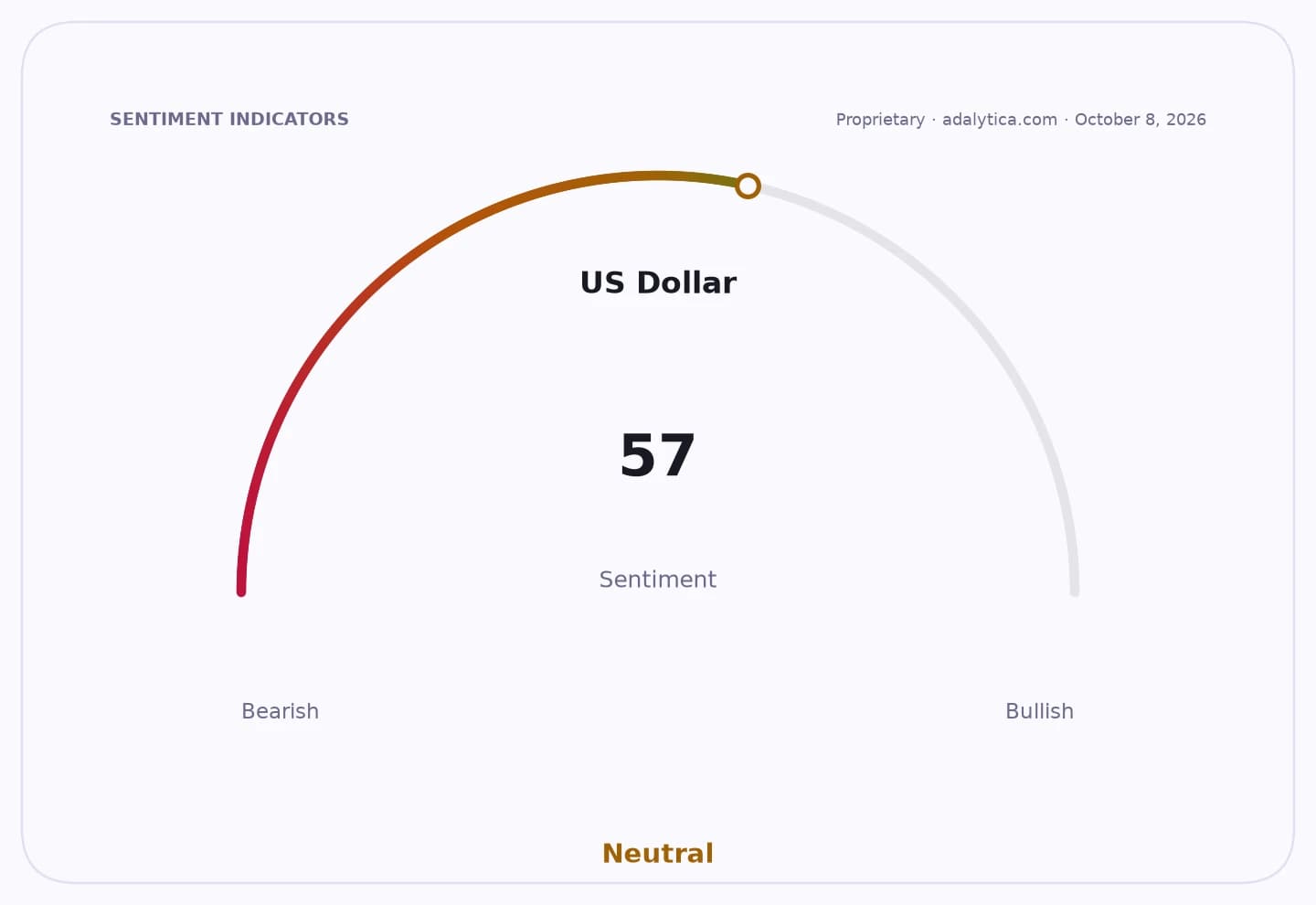
Technically, the dollar-tracking UUP ETF closed at 29.12, above its 50-day moving average of 28.52 and 200-day average of 27.90, while RSI readings near 54 suggest the move is not yet stretched. But proprietary Adalytica.com signals point to fading conviction in the trade: U.S. dollar sentiment sits in “Fear” at 26, down 17 points over seven days, while FX volatility shows “Extreme Fear” at 11, indicating a market bracing for choppy currency swings.
US Dollar
Geopolitical risks are preventing a clean dollar selloff. Rising oil prices, driven by drone attacks in the Middle East and the Russia-Ukraine war, could lift inflation expectations and slow any dovish shift at the Fed, limiting how far the dollar can fall.
For investors, the key question is whether softer U.S. growth wins out over sticky energy-driven inflation. That balance will shape dollar direction into the next Fed meeting, with Treasury yields, crude prices and upcoming U.S. inflation data likely to decide whether the greenback extends its slide or finds support again.
| Entity | Gains | Losses |
|---|---|---|
| Non-U.S. borrowers | ▲Easier dollar funding | ▼Higher refinancing costs if dollar rebounds |
| U.S. exporters | ▲Better overseas price competitiveness | ▼Less if dollar firms again |
| Commodity markets | ▲Support from weaker dollar | ▼Headwind if Fed hawkishness returns |
| Fed hawks | ▲Stronger case if oil lifts inflation | ▼Weaker case if growth data keeps softening |