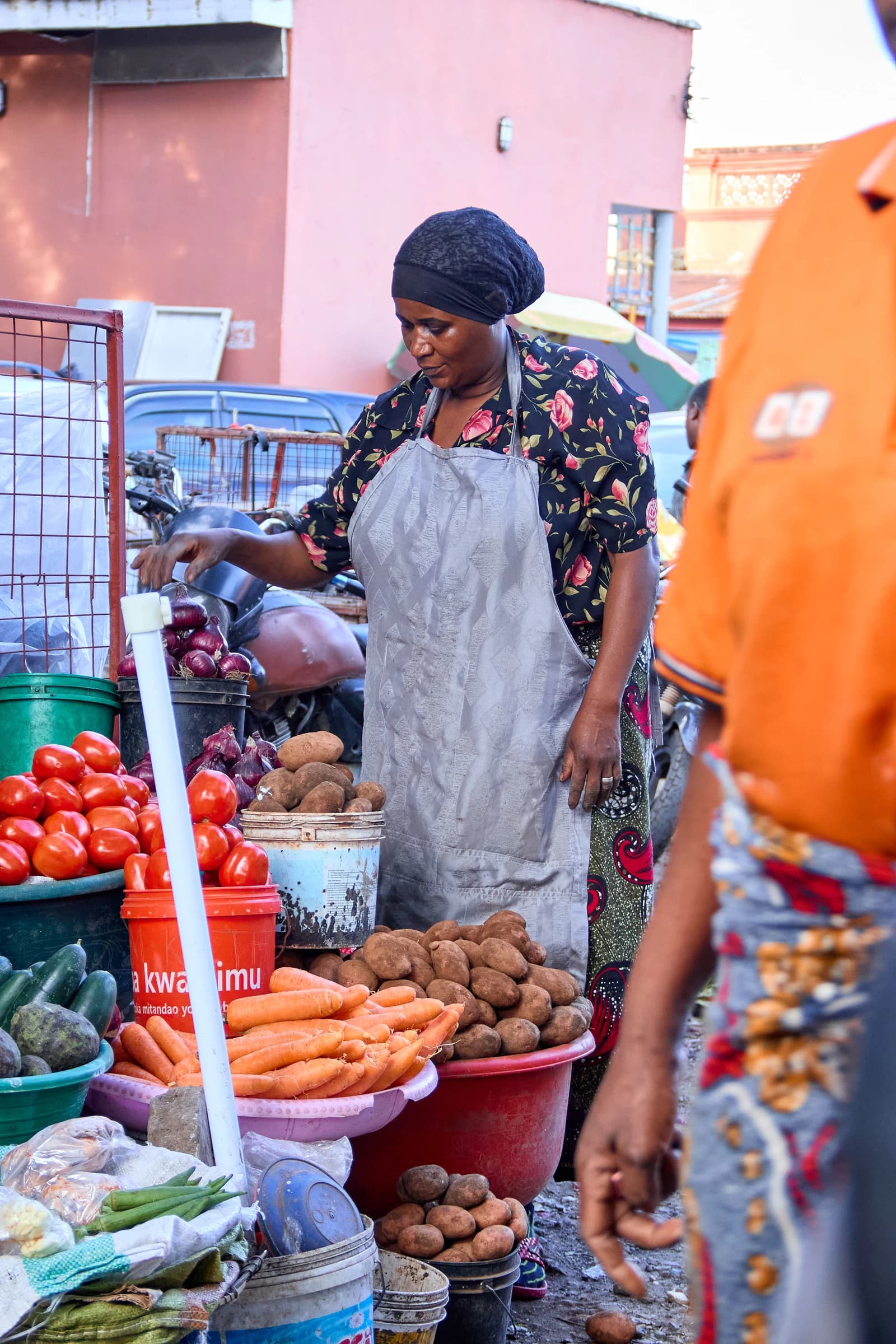
Tomato, potato and vegetable prices are set to firm on Thursday, July 30, as food inflation faces a fresh lift from higher transportation and energy costs just as overall US consumer prices are projected to accelerate in July.
US food prices, oil costs rise ahead of July CPI
The broad inflation backdrop is turning less forgiving for grocery buyers. The Consumer Price Index is forecast to rise 0.89% in July to 335.512 after June slipped 0.42% to 332.568, while the Producer Price Index is seen climbing 3.14% to 295.8433 after a 1.26% drop in June. That combination points to renewed pricing pressure across the supply chain, from farmgate costs to supermarket shelves.
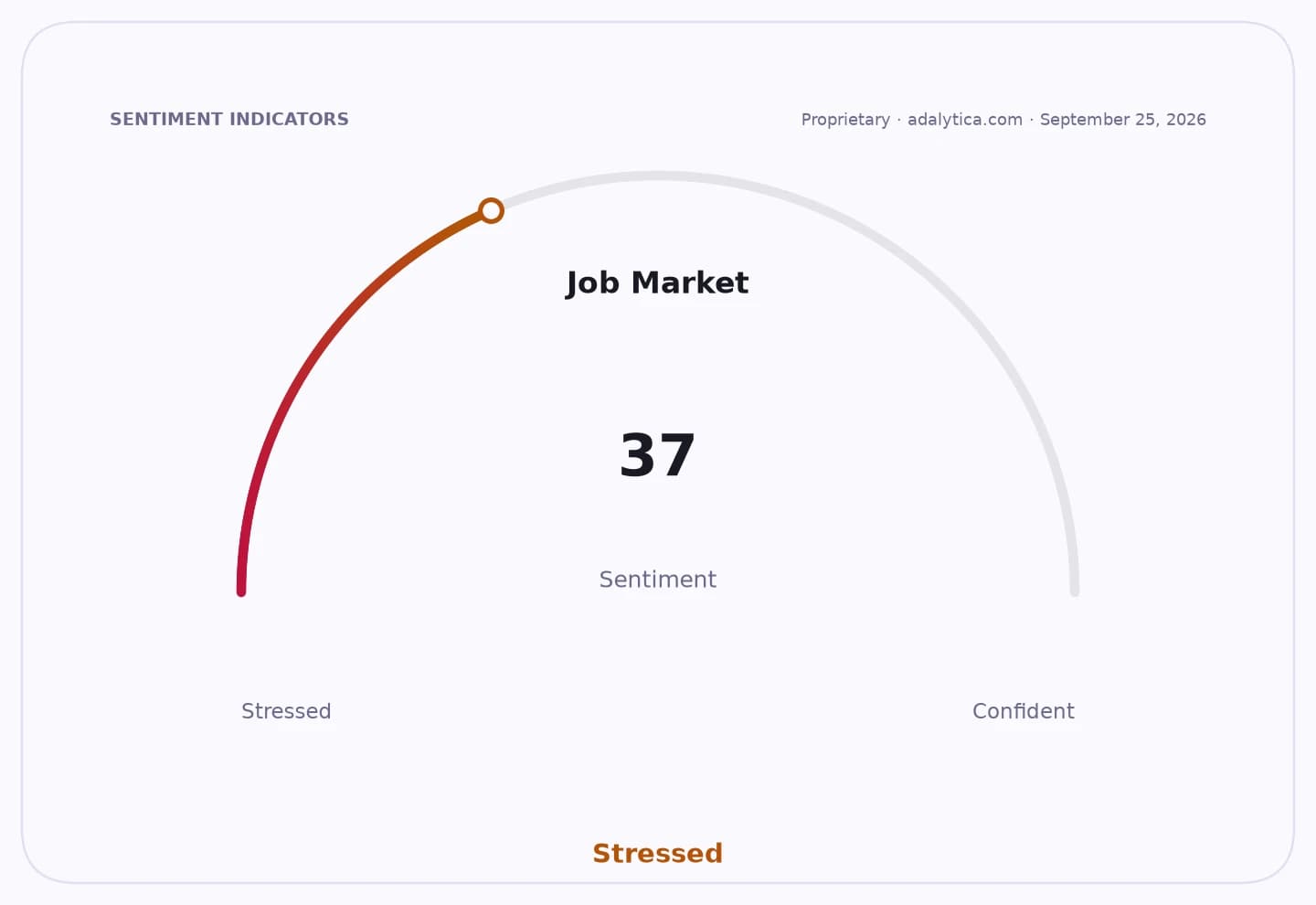
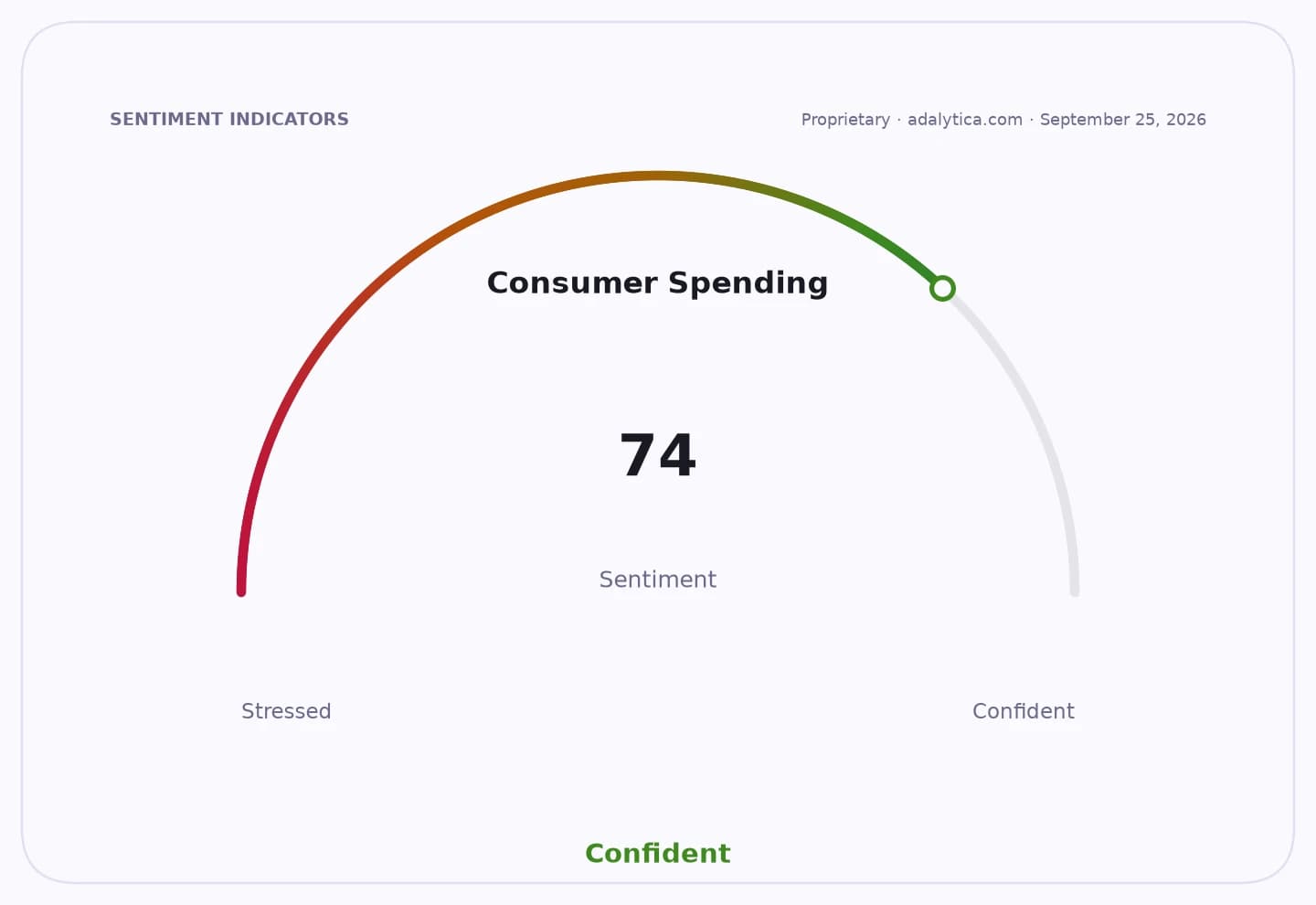
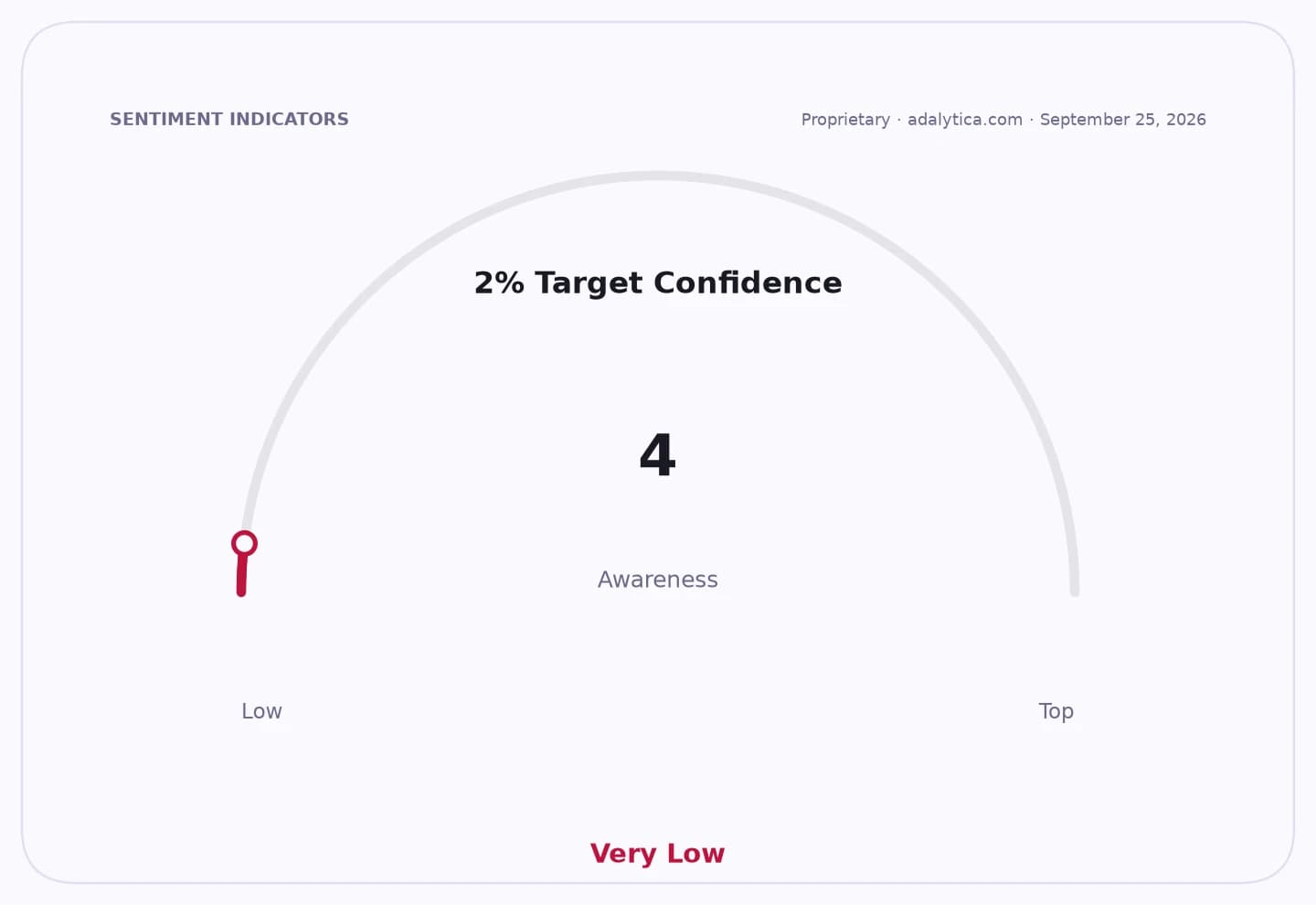
Sentiment IndicatorsⓘProprietary · adalytica.com · July 30, 2026
This is a snapshot — live sentiment, awareness and momentum for 130+ markets update continuously in the dashboard.Open AlphaPulse
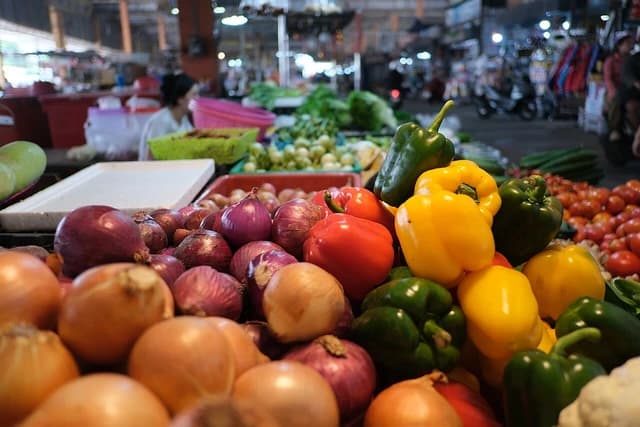
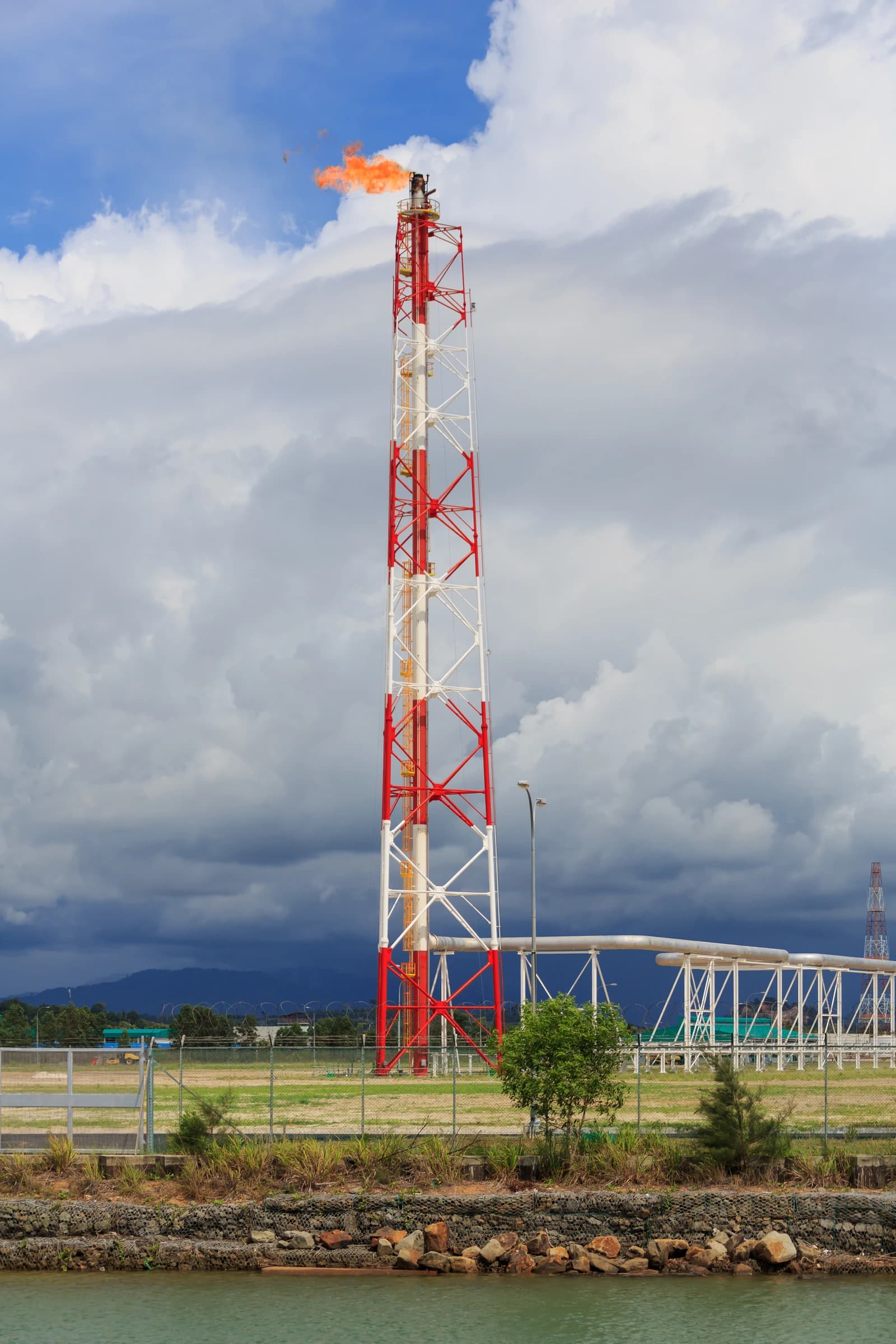
For vegetables in particular, the squeeze comes as Brent crude has surged to $90.75 a barrel, its highest since early June, raising diesel and shipping costs for produce distributors. That matters because fresh food is one of the fastest channels for energy shocks to reach consumers, and it can quickly widen the gap between farm prices and retail prices.
The labor market is not offering much relief either. The unemployment rate is forecast at 4.18% for July, near recent lows, suggesting consumers still have spending power even as grocery inflation bites. That can keep demand resilient enough for retailers to hold pricing, but it also means households are likely to feel the pain rather than see outright discounts.
CPIAUCSL vs PPIACO — macro contextadalytica.com
Explore this data interactively — full history, time series and cross-market comparisons.Open AlphaPulse
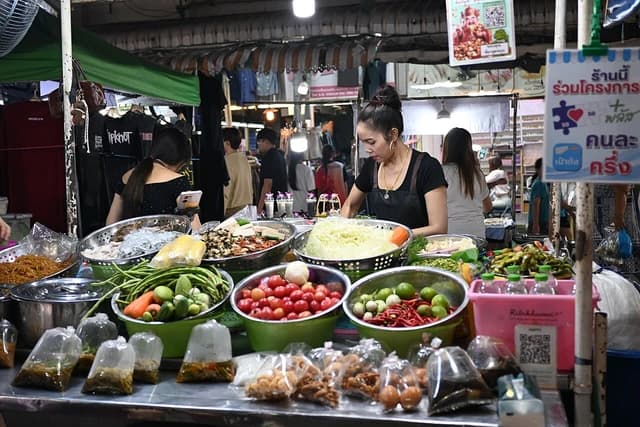
Investors are watching the mix of hotter food and producer prices because it could complicate the outlook for interest rates and margins. Higher input costs tend to help energy producers and agricultural commodity exposures, while pressuring supermarket chains, importers and consumer stocks tied to discretionary spending.
Technical signals in the US oil fund USO also point to a volatile energy market, with the ETF rebounding to $129.31 on July 29 after a sharp July pullback, while the broader agriculture fund DBA has held near $27.49. The move suggests traders are still pricing in tighter food-and-fuel costs rather than a clean pass-through to lower inflation.
If the July CPI and PPI forecasts prove accurate, traders should expect vegetable prices to stay elevated into the next round of grocery updates, with oil and freight costs the key swing factors.
| Entity | Gains | Losses |
|---|---|---|
| Oil producers | ▲Higher revenue | ▼None from this move |
| Produce distributors | ▲Potential pricing leverage | ▼Higher diesel and freight costs |
| Grocery shoppers | ▲None | ▼Higher tomato, potato and vegetable bills |
| Supermarket chains | ▲Limited pass-through on staples | ▼Margin pressure if costs rise faster than prices |