The U.S. high-yield bond market is still trading with distress-level risk despite a key rate cut, underscoring that cheaper policy rates have not been enough to restore confidence in the weakest credits.
U.S. high-yield spread at 2.891 points on July 30
That matters because the widening in high-yield spreads points to a market focused less on the policy rate and more on the ability of lower-rated borrowers to refinance debt, protect cash flow and avoid covenant pressure. In other words, credit is being priced off default risk, not just the direction of the Fed.
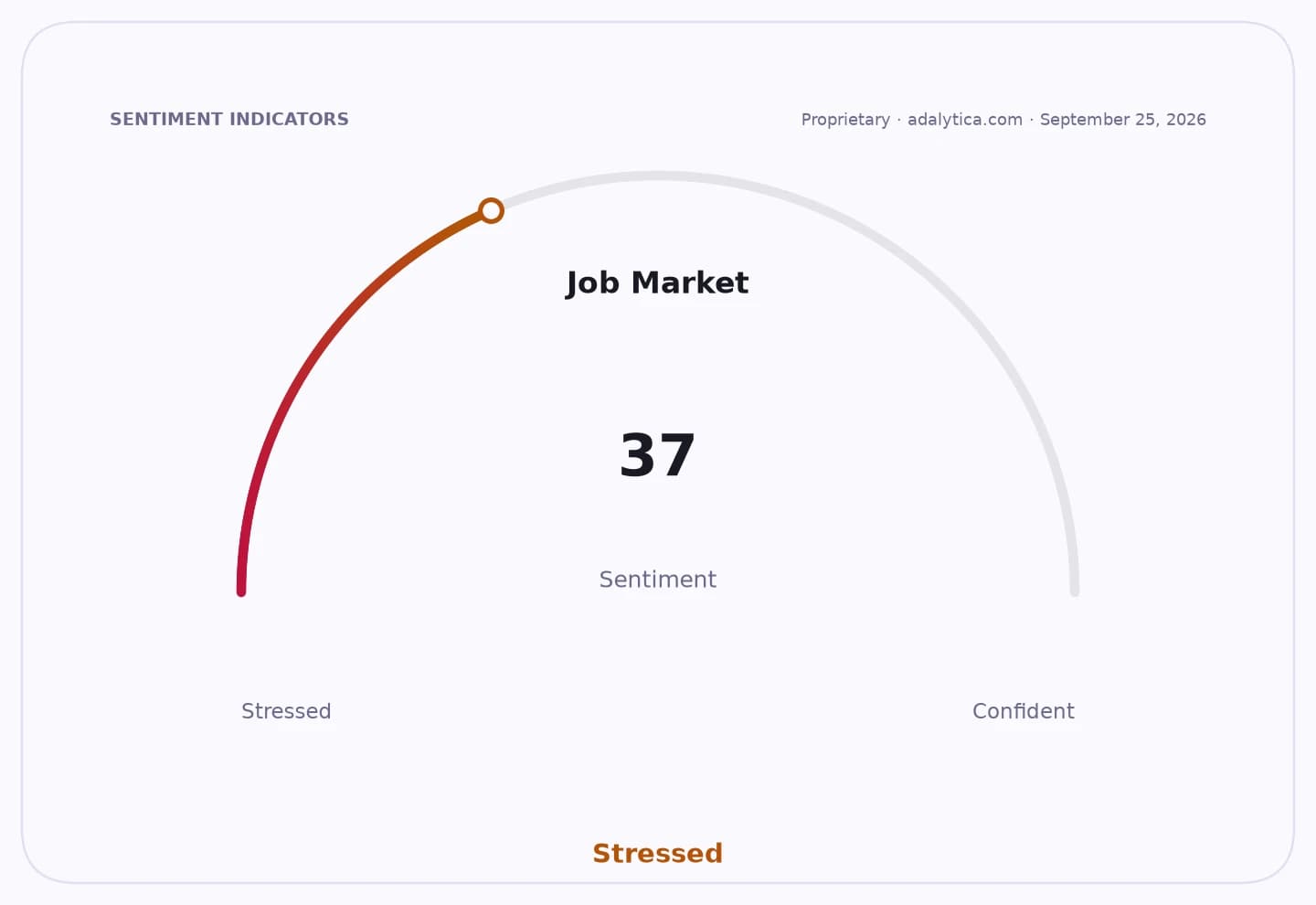
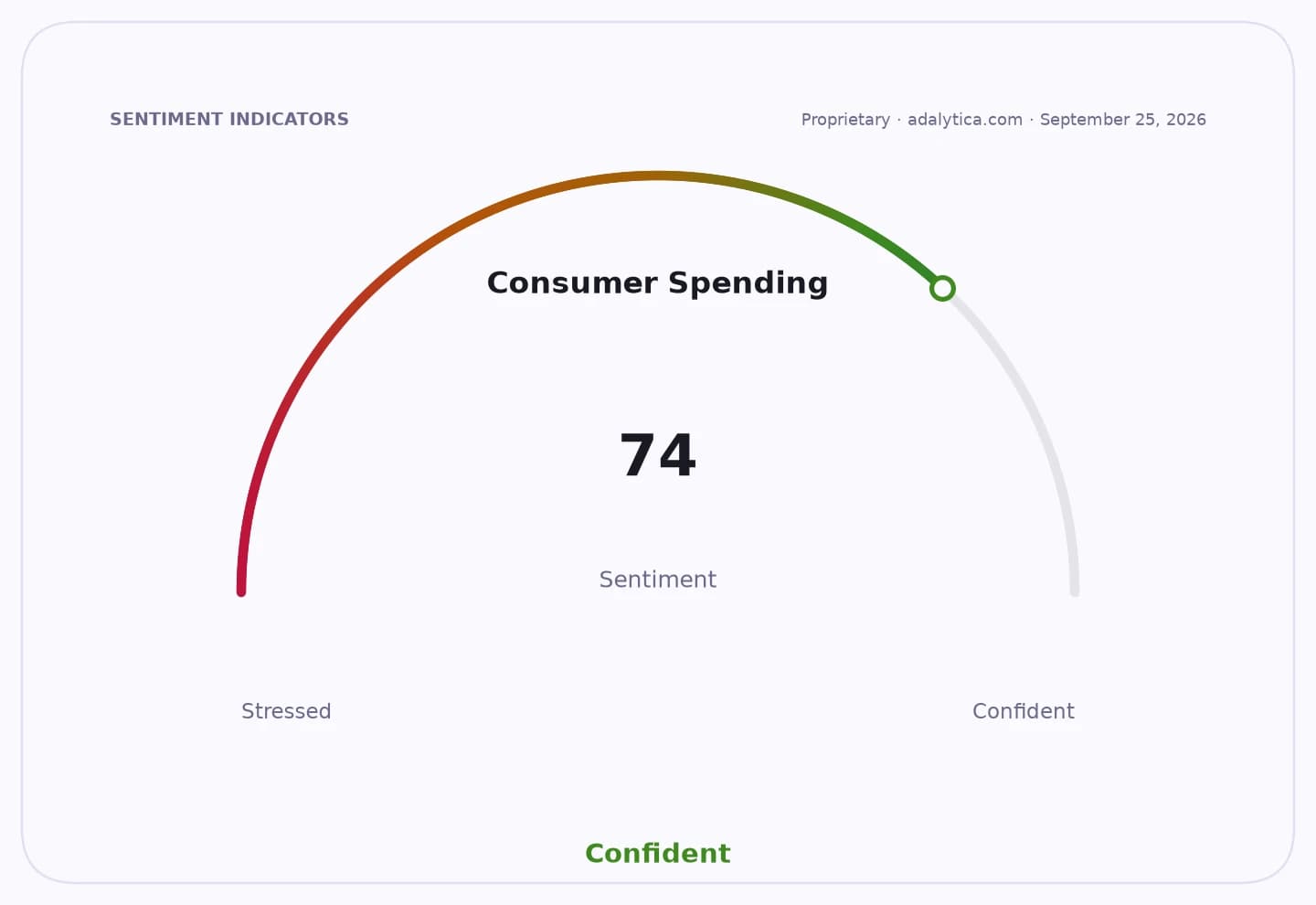
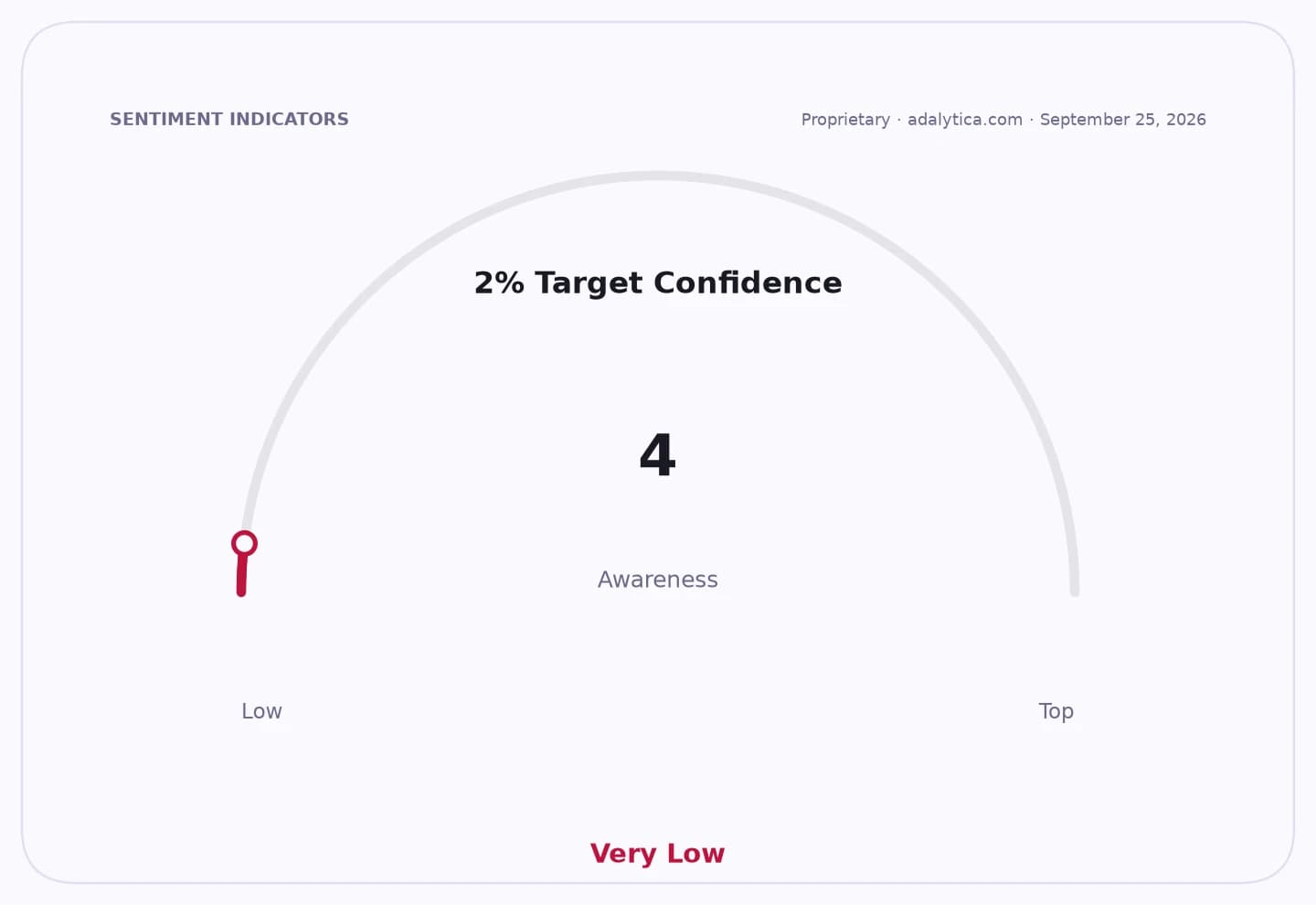
Sentiment IndicatorsⓘProprietary · adalytica.com · July 30, 2026
This is a snapshot — live sentiment, awareness and momentum for 130+ markets update continuously in the dashboard.Open AlphaPulse
The benchmark U.S. high-yield spread, tracked by the ICE BofA series, was at 2.891 percentage points on July 30, after easing from 3.12 points two days earlier and 4.16 points in April, but still far from benign. The recent decline has not erased the earlier spike that signaled a sharp repricing of junk debt risk. High-yield exchange-traded funds reflect the same caution: HYG closed at 79.42 and JNK at 95.58 on July 30, both well below levels that would suggest broad investor enthusiasm, while trading in each fund has been marked by weaker momentum indicators and, in HYG’s case, an RSI reading that had fallen to 33.3 the previous day, a conventional sign of oversold conditions rather than strength.
The message from credit markets is that the cutoff from policy easing to credit relief is incomplete. Treasury yields remain elevated, with the 10-year around 4.61%, even as the fed funds rate is forecast near 3.63%, leaving borrowing costs high enough to keep refinancing windows tight for leveraged issuers. For junk-rated companies, especially those that built balance sheets during the low-rate era, the problem is not just the cost of new debt but the risk that capital markets stay selective long enough to force asset sales, liability management deals or outright restructurings.
That dynamic is especially important for investors because high-yield bonds often sit at the front line of stress in the credit cycle. When spreads move up while benchmark rates come down or stabilize, it usually means the market is distinguishing between higher-quality borrowers and the weakest names rather than treating the entire asset class as a simple duration play. The relative stability in HYG and JNK over the past few sessions may look reassuring, but it masks a market still anchored near the edge of caution, with the broader message that easy-money hopes are not enough to rescue overlevered credits.
The bull case is that the latest spread reading shows some normalization from the spring spike, suggesting investors are no longer in full panic mode and that default risk may remain contained to a narrow set of issuers. The bear case is that the combination of still-elevated Treasury yields, tighter financing conditions and fragile technicals in high-yield ETFs points to a market waiting for weaker balance sheets to crack.
For investors, the next catalyst will be whether falling front-end rates can actually open the refinancing market for lower-rated borrowers, or whether high-yield spreads stay stuck at levels that keep default risk priced into the asset class. Until that happens, the market’s verdict is that the key rate cut did little to change the underlying credit problem.
| Entity | Gains | Losses |
|---|---|---|
| Higher-quality borrowers | ▲Better access to funding | ▼Less relative spread advantage |
| Junk-rated issuers | ▲Limited relief from rate cuts | ▼Refinancing risk and default pressure |
| HYG and JNK holders | ▲Some spread compression | ▼Weak momentum and downside risk |
| Treasury buyers | ▲Yield support | ▼Credit-market stress spillover |