Esther and Robert’s decision to live mortgage-free in Puglia on one pension is a small personal story with a big economic message: housing costs remain one of the most powerful forces shaping retirement security, savings behavior and long-term investment returns.
U.S. housing costs, ITB near 94.54, and retiree resilience

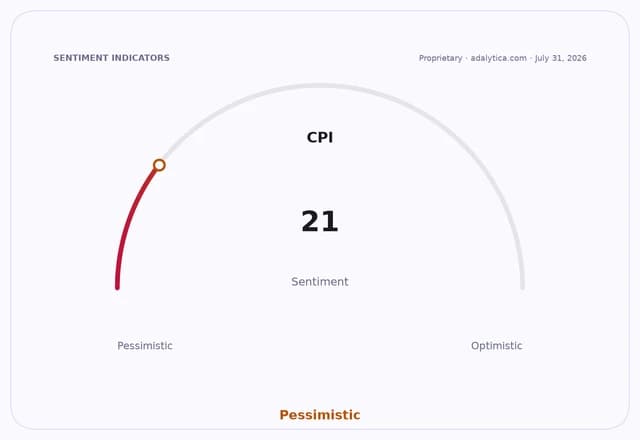
When families can lock in lower housing costs, as this couple has done, their monthly budget becomes far more resilient to the kind of inflation that has kept pressure on retirees and renters alike. That matters now because U.S. inflation has cooled from its peak, but it is still running well above the levels that defined the pre-pandemic decade, and shelter costs remain one of the stickiest parts of the consumer price basket. The latest CPI reading in our context shows prices at 332.568, up sharply from earlier years, while the housing-and-rent inflation gauge from Adalytica sits at “Extreme Fear,” underscoring how sensitive households still are to housing expenses.
For investors, that is more than a lifestyle headline. It is a reminder that housing affordability drives demand across everything from rental-property funds to homebuilders, mortgage lenders, utilities and consumer staples. If people spend more just to keep a roof over their heads, they have less room for discretionary purchases, and that shapes corporate earnings across the economy. The exchange-traded fund that tracks U.S. homebuilders, ITB, has been volatile, with its latest price near 94.54 after trading as high as 115.17 not long ago, while the broader real estate ETF VNQ has also swung as higher rates and affordability pressures have forced investors to reassess the sector.
The backdrop is a mixed one. The U.S. unemployment rate is still relatively low at 4.2%, which supports household incomes, but the 10-year Treasury yield around 4.67% keeps mortgage financing expensive by historical standards. That combination helps explain why more buyers are cautious, why renters feel squeezed, and why owning a home outright has become such a valuable form of financial insulation. The strong U.S. dollar signal in the data also hints that Americans living abroad can get an extra boost to purchasing power, making places like Italy even more attractive for retirees seeking a lower-cost life.
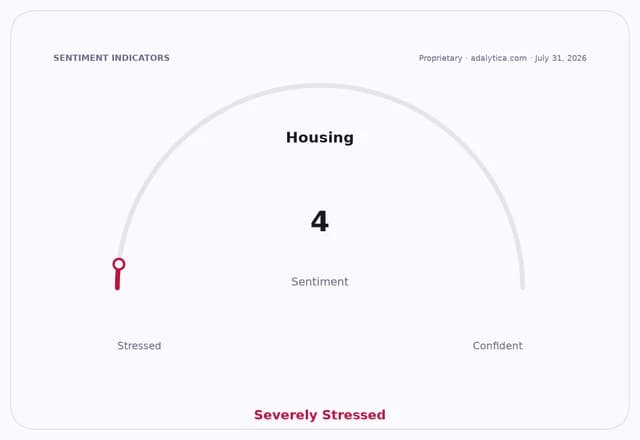
Housing — 30-day sentimentadalytica.com
Explore this data interactively — full history, time series and cross-market comparisons.Open AlphaPulse
That is the real investing lesson here. Housing is not just a roof; it is a balance-sheet decision. A mortgage-free retiree can withstand inflation, interest-rate moves and market swings much better than someone who is forced to stretch every month to cover rent or debt service. For long-term investors, the best response is not to chase housing headlines but to own businesses and funds that can compound through cycles, especially those with pricing power and durable cash flow.
If you are thinking in years rather than months, Esther and Robert’s story is worth remembering: housing freedom is financial freedom, and in a high-cost world, that advantage compounds.
| Entity | Gains | Losses |
|---|---|---|
| Mortgage-free retirees | ▲Budget stability | ▼Less leverage |
| Renters | ▲Flexibility | ▼Rising shelter costs |
| Homeowners with fixed housing costs | ▲Inflation protection | ▼Limited mobility |
| Homebuyers and homebuilder stocks | ▲Demand from affordability seekers | ▼Higher-rate pressure |