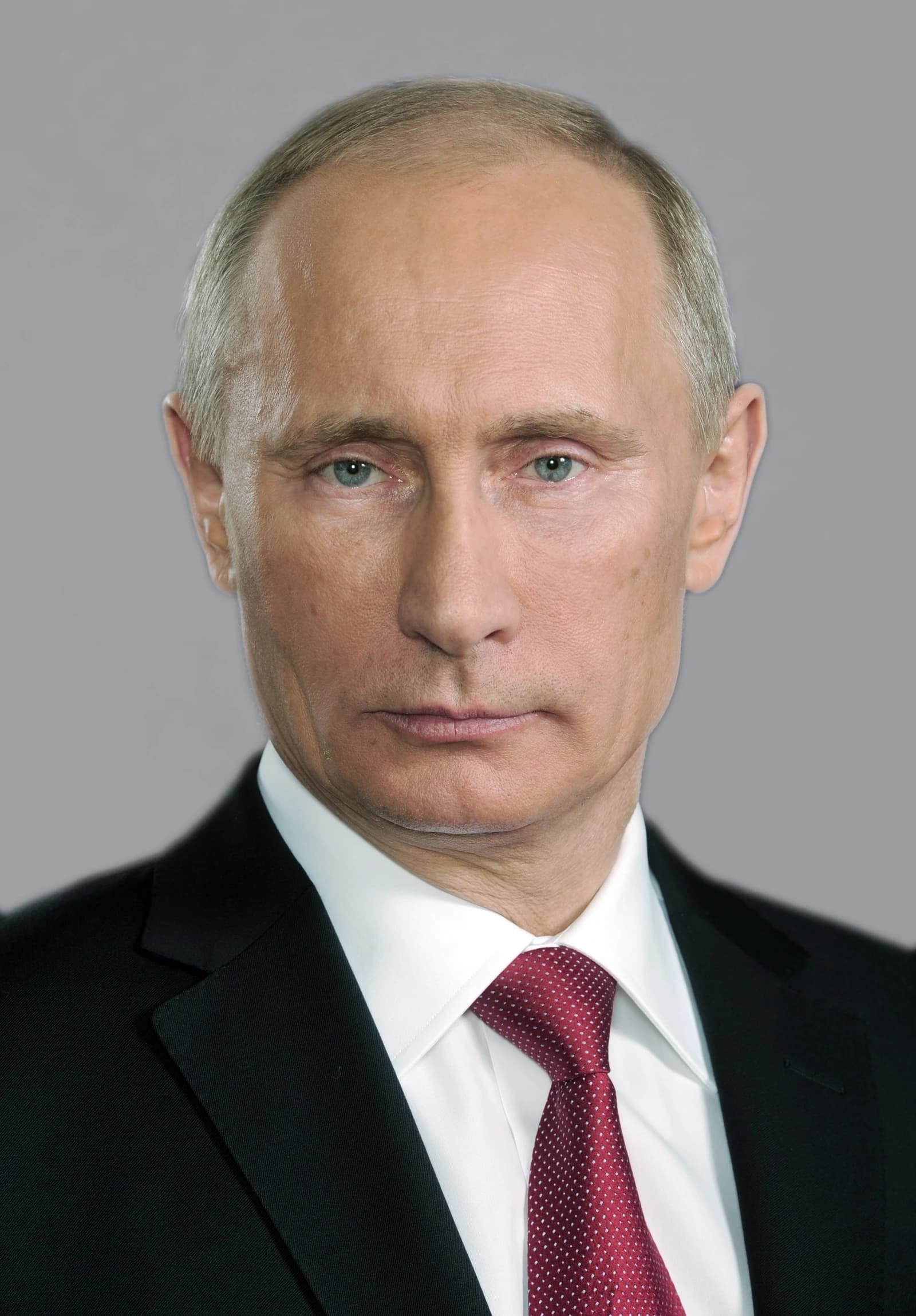
Trump’s declaration that the US has a “very strong position” toward Iran matters most because it signals that Washington is prepared to keep the pressure on at a moment when Gulf tensions are already rattling oil markets and lifting defence shares.
US-Iran Tensions Lift Oil and Defense Shares
For investors, the significance is immediate: a harder US line increases the risk premium on crude, supports energy equities and keeps defence contractors in focus, while raising the odds of more volatility across shipping, airlines and broader risk assets if the standoff worsens. The market is already pricing that in. US oil proxy USO has surged to 120.49, far above its 50-day moving average of 124.59 after an earlier spike to 136.69, with technicals showing a still-strong but cooling move: RSI has eased to 57.2 from 82.9 on July 24 and MACD remains positive, suggesting the trend is intact even as momentum moderates. Energy stocks, tracked by XLE, have also climbed to 57.57, well above the 50-day average of 56.55 and the 200-day at 51.78, though RSI has retreated from overbought territory to 61.5.
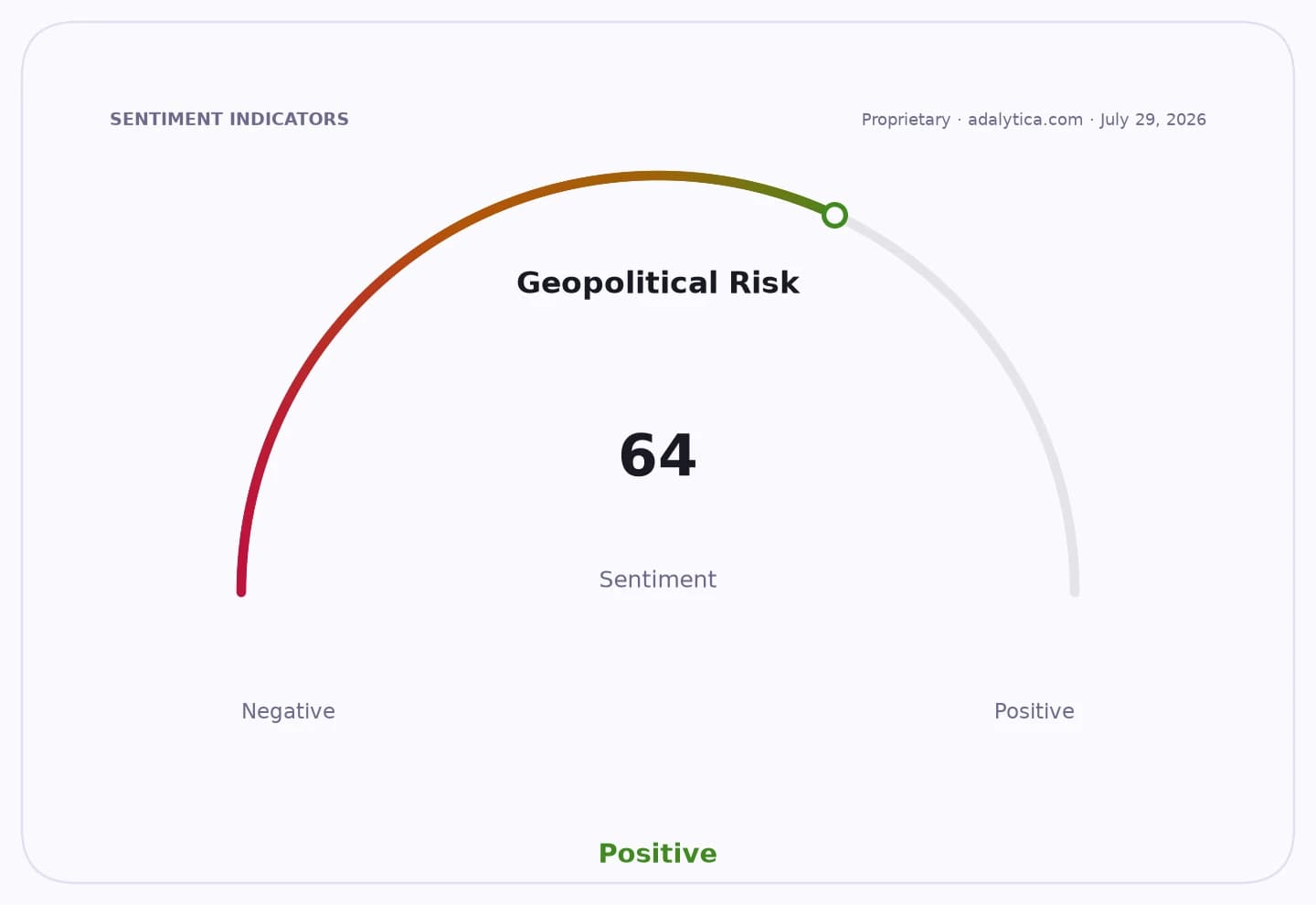
Sentiment IndicatorsⓘProprietary · adalytica.com · July 29, 2026
This is a snapshot — live sentiment, awareness and momentum for 130+ markets update continuously in the dashboard.Open AlphaPulse
The geopolitical backdrop explains why the rhetoric carries economic weight. The US and Iran have traded strikes after an Iranian missile attack in Jordan killed two US soldiers, with Washington responding with airstrikes on Iranian targets and additional fighter deployment to the Middle East. Iran has retaliated with missile and drone attacks on US bases and oil tankers in the Strait of Hormuz, a chokepoint for global crude flows. Any further escalation would threaten supply expectations first and physical barrels second, but in oil markets the price impact often comes well before disruptions materialize.
That is why the move has also fed into defence names. Lockheed Martin has climbed to 581.31, above both its 50-day moving average of 524.90 and 200-day average of 539.21, with RSI at 73.9 and MACD strongly positive, a sign investors are still positioning for elevated military spending and replenishment demand. The bull case is straightforward: if tensions stay high, oil producers and defence contractors benefit from a sustained geopolitical risk bid. The bear case is that an eventual diplomatic reset or even a pause in hostilities could unwind part of the energy premium quickly, leaving recently extended trades vulnerable.
Geopolitical Risk vs USOadalytica.com
Explore this data interactively — full history, time series and cross-market comparisons.Open AlphaPulse
Adalytica’s global stability gauge has also turned sharply more cautious, with awareness of fear elevated even as sentiment sits in neutral territory, underscoring how quickly markets are becoming alert to a broader shock. For now, Trump’s tone suggests no near-term easing in US-Iran pressure, and that keeps crude, defence and volatility-sensitive sectors positioned for further swings.
| Entity | Gains | Losses |
|---|---|---|
| Oil producers | ▲Higher crude prices | ▼Demand from importers |
| Defence contractors | ▲More spending urgency | ▼De-escalation hopes |
| USO / XLE bulls | ▲Geopolitical risk premium | ▼Sharp peace rally |
| Airlines / refiners | ▲Lower input costs only if tensions ease | ▼Higher fuel costs |