U.S. natural gas inventories rose by 67 billion cubic feet in the week ended Oct. 9, leaving storage at 3,567 Bcf and keeping the market comfortably within its five-year range even as the industry heads toward winter.
U.S. natural gas inventories rise 67 Bcf to 3,567 Bcf

The injection matters because it leaves storage 45 Bcf above the five-year average, although still 143 Bcf below the level a year ago. For traders and utilities, that combination points to a market that is not tight enough to panic over but still lacks a big buffer if early cold weather or a cold start to the heating season lifts demand.
Sentiment IndicatorsⓘProprietary · adalytica.com · October 17, 2026
This is a snapshot — live sentiment, awareness and momentum for 130+ markets update continuously in the dashboard.Open AlphaPulse
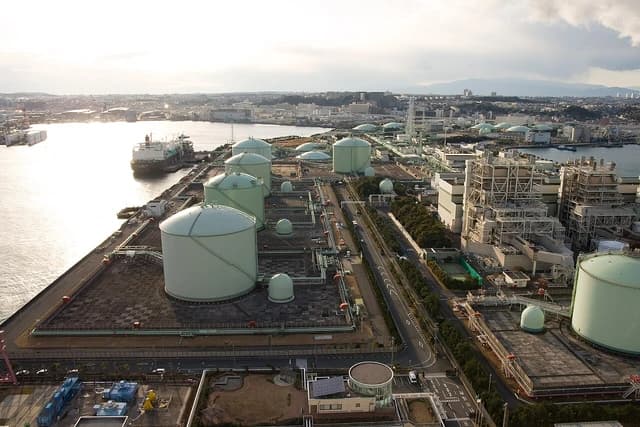
The figure was in line with a steady late-season build pattern and showed gains across all regions except the Pacific. South Central and South Central Salt remained the only areas below the five-year average, underscoring that regional balances are still uneven even as national inventories look adequate.
Natural gas prices and producer shares reflected a market that remains sensitive to every storage read. The UNG exchange-traded fund slipped to $10.66 on Oct. 16 after trading at $11.22 on Oct. 14, while EQT ended Oct. 16 at $54.30 and NFG at $79.92, both well below recent highs but still supported by expectations that winter demand and LNG exports will keep the market from becoming oversupplied.
Oil and gas sentiment gauges also showed traders leaning more constructive. Adalytica’s natural gas snapshot showed sentiment at 94, labeled “Extreme Greed,” even as awareness remained in “Fear,” suggesting the storage number alone has not changed the broader setup of a market that is still reacting to weather, LNG flows and production discipline.
For investors, the key question is whether the current storage surplus over the five-year average can survive a stronger-than-normal winter draw. The next weekly EIA report, along with early-season temperature forecasts and any change in production or export demand, will be the next catalysts for gas prices and related equities.
| Entity | Gains | Losses |
|---|---|---|
| U.S. gas consumers | ▲Lower near-term price pressure | ▼Less urgency from tight supply |
| Natural gas producers | ▲Stable winter demand outlook | ▼Softer spot-price upside |
| UNG holders | ▲Potential seasonal volatility | ▼No immediate scarcity spike |
| Utilities and industrial buyers | ▲Adequate storage cushion | ▼Regional supply unevenness |