U.S. natural gas prices are sinking to the lowest levels in more than a year, easing the immediate risk of a winter gas shortage but underscoring how dependent the market is on the next cold snap and export demand.
U.S. natural gas prices fall to 1-year lows

Henry Hub futures were last seen at $2.81 per million British thermal units on Sept. 9, with the latest forecast pointing to $2.835 on Sept. 10, while the United States Natural Gas Fund closed at $10.17 on Sept. 11. That leaves UNG trading below its 200-day moving average of $11.64, even after recovering from a January spike, and reflects a market that has swung from supply fears to surplus in a matter of months.
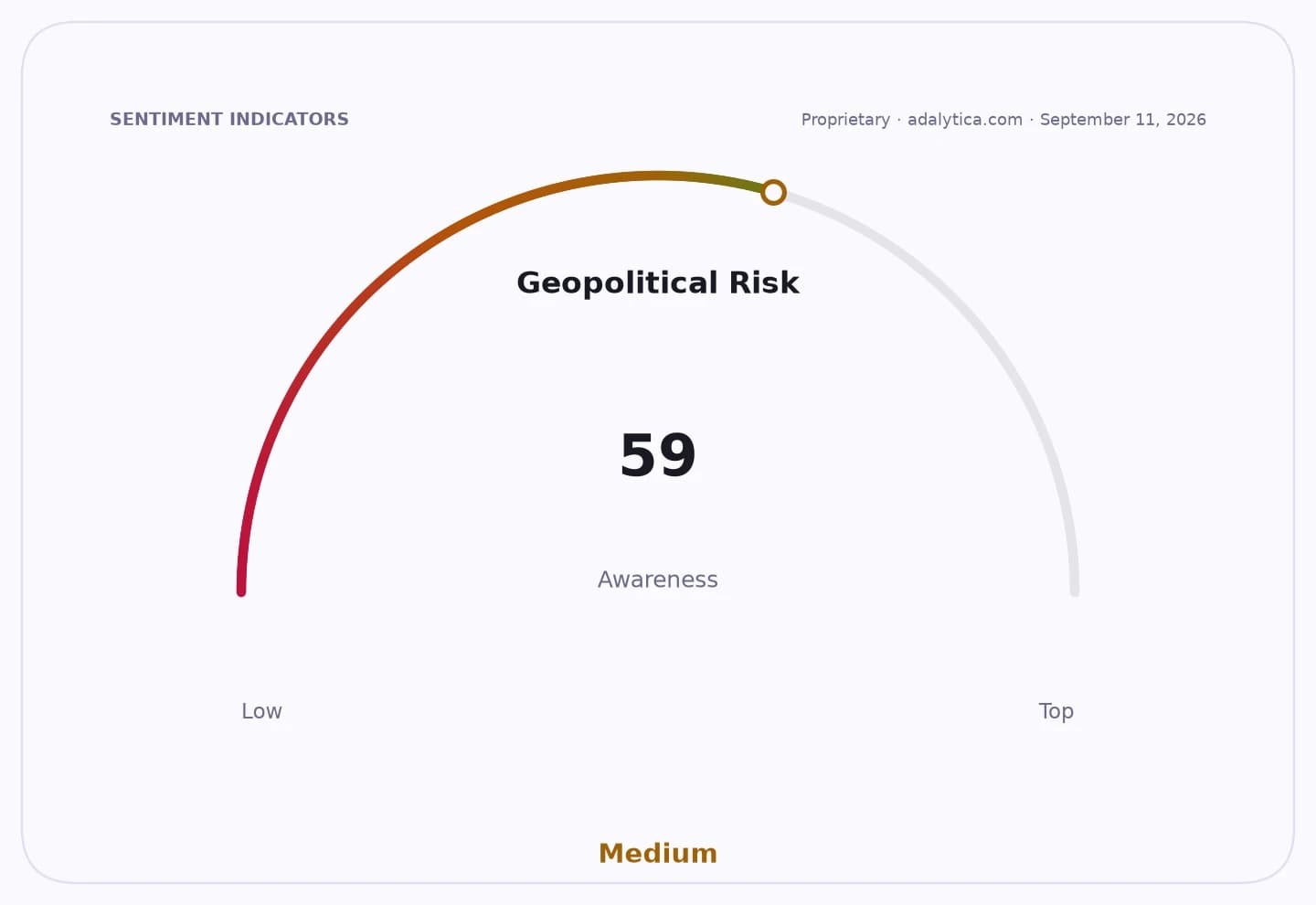
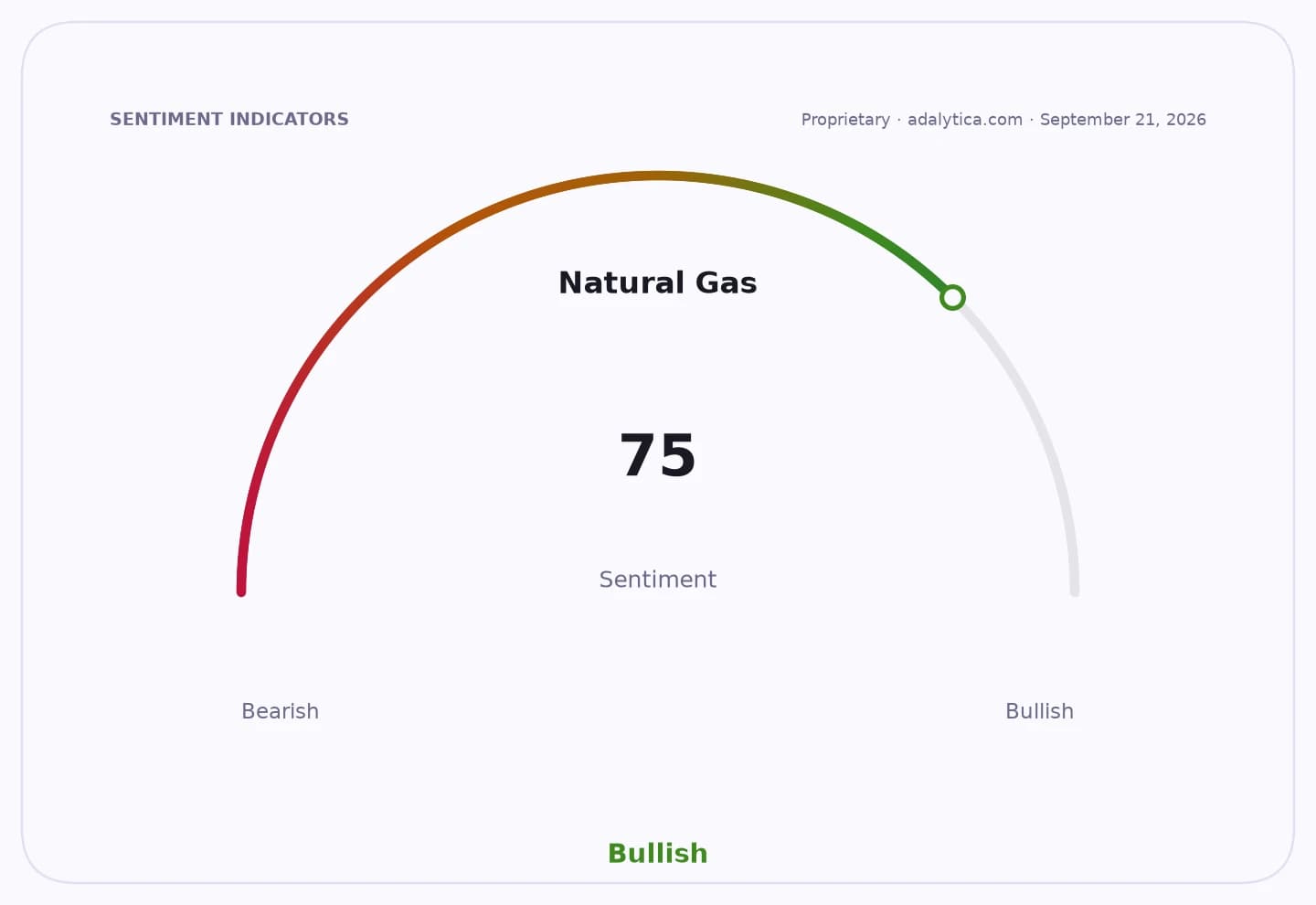
Sentiment IndicatorsⓘProprietary · adalytica.com · September 13, 2026
This is a snapshot — live sentiment, awareness and momentum for 130+ markets update continuously in the dashboard.Open AlphaPulse
The slide matters economically because natural gas sets the tone for winter heating costs, power bills and industrial feedstock prices across the U.S. When prices sink this fast in late summer, it usually means traders are betting storage is adequate and weather will stay mild enough to avoid a crunch.
The move also comes as benchmark crude oil trades near $97.26 a barrel, a reminder that energy markets are not moving in lockstep. Gas can still tighten quickly if a cold spell hits or LNG exports absorb more supply, but for now the price action says the market is not pricing an acute shortage.
DHHNGSP — macro contextadalytica.com
Explore this data interactively — full history, time series and cross-market comparisons.Open AlphaPulse
Technical readings on UNG point to a market stabilizing rather than breaking out. The fund’s 50-day moving average sits at $10.35, only slightly above the latest close, while its relative strength index is 54.8 and the MACD is near flat, suggesting momentum has cooled after earlier volatility.
Investor sentiment data from Adalytica.com show greed in the natural gas market at 78, up sharply over the past week, even as broader global stability sentiment remains in fear territory. That split suggests traders are positioning for gas-specific volatility rather than a broad energy shock.
For investors, the key question is not whether gas can rally — it can, and fast — but whether storage, weather and export flows leave enough cushion to prevent a winter spike. The next catalyst is the start of the heating season and the pace of LNG demand, which will decide whether this year’s cheap gas becomes a bargain or a false calm.
| Entity | Gains | Losses |
|---|---|---|
| U.S. households | ▲Lower heating bills | ▼Less fuel-price fear relief |
| Industrial gas users | ▲Cheaper feedstock | ▼Less chance to lock in ultra-low prices |
| LNG exporters | ▲Stronger export pull if demand rises | ▼Margin pressure if domestic prices stay weak |
| Natural gas bulls | ▲Potential winter spike | ▼Current price slump and weak momentum |