Americans are getting bigger paychecks, but their spending power is still slipping as inflation continues to outrun wage gains, underscoring the strain on household demand and the challenge for the Federal Reserve.
US pay grows but real wages fall as inflation rises

The Labor Department’s Employment Cost Index showed total compensation for civilian workers rose 3.4% in the 12 months through September, with wages and salaries up 3.1% and benefit costs climbing 3.9%. But once inflation is stripped out, real pay declined: private-sector wages and salaries fell 0.6% over the year, while state and local government workers saw a 0.5% drop.
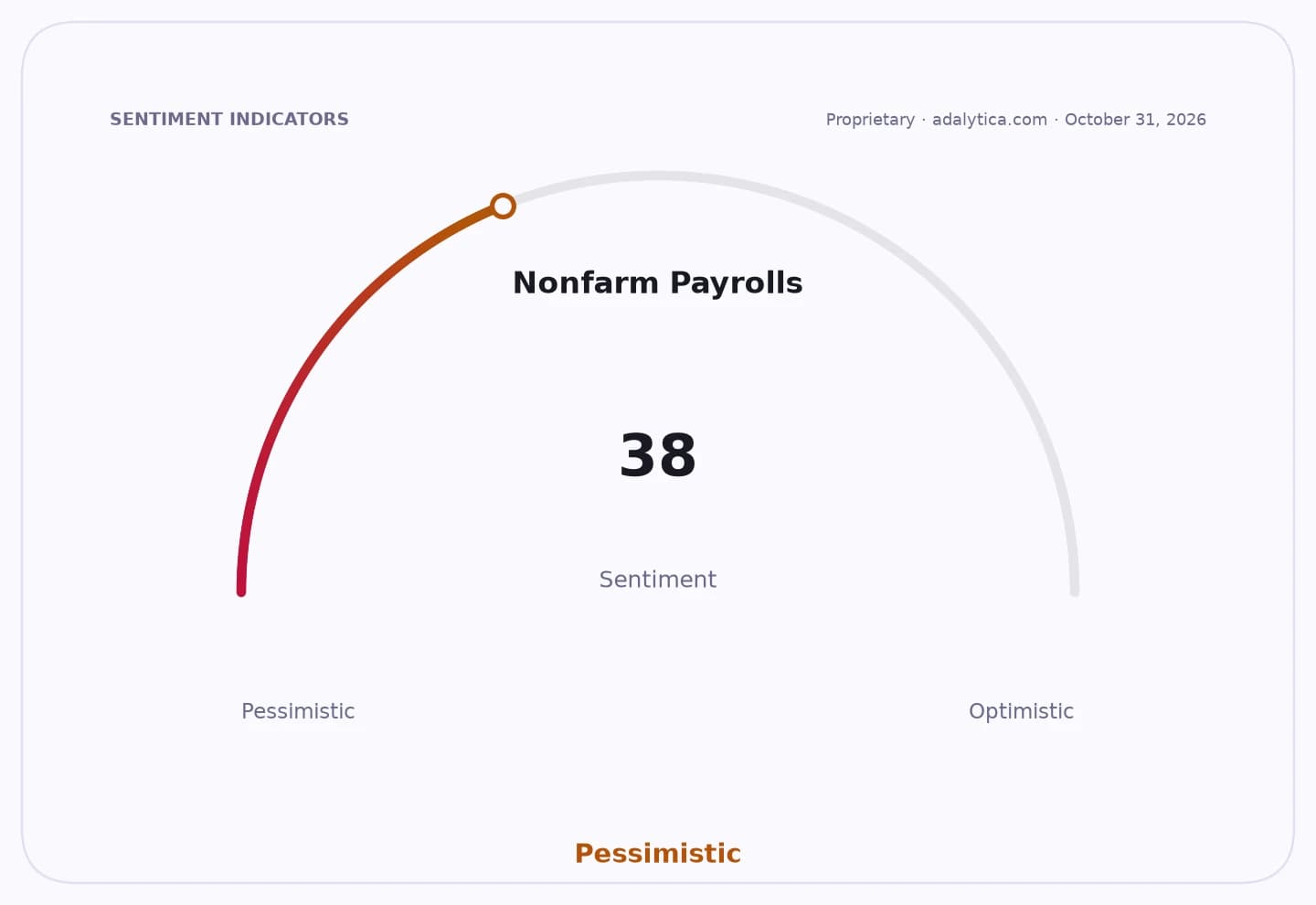
Sentiment Indicators
CPI
That gap matters because nominal pay growth can look healthy even as consumers feel poorer. Higher compensation is still feeding a larger payroll bill for employers, but it is not translating into stronger purchasing power for workers. In practical terms, households have less room for discretionary spending, which can slow demand across the economy even before layoffs or outright wage cuts appear.
The report also lands at a sensitive moment for policymakers. The Employment Cost Index is one of the Federal Reserve’s preferred measures of underlying labor inflation, because it strips out compositional distortions that can make hourly earnings volatile. The fact that compensation is still rising at a solid pace, while inflation has reaccelerated, keeps pressure on the Fed even after it raised rates for the first time since 2023 six weeks ago and signaled another hike is possible later this year.

For markets, the message is mixed. Bond traders may view weaker real wages as a sign household demand could cool, helping eventually to ease inflation. But if pay keeps rising in nominal terms while prices stay sticky, the Fed has less room to loosen policy and consumers remain squeezed. That is a difficult combination for rate-sensitive sectors and discretionary retailers, which depend on shoppers having enough excess income to spend freely.
The broader picture is one of a labor market that still supports income growth on paper, but not enough to outpace the cost of living. With consumer inflation accelerating in September, households are being asked to absorb higher prices without a matching improvement in real pay. Unless inflation eases materially, the squeeze on purchasing power is likely to persist into year-end, keeping consumer spending under pressure and limiting the Fed’s ability to declare victory on inflation.
| Entity | Gains | Losses |
|---|---|---|
| Employers | ▲manageable payroll growth | ▼higher labor costs |
| Workers | ▲higher nominal pay | ▼weaker real purchasing power |
| Federal Reserve | ▲evidence labor demand is not collapsing | ▼less room to cut rates |
| Consumer discretionary retailers | ▲some top-line support from wage growth | ▼softer spending from squeezed households |