US pressure on Iran’s oil trade is intensifying even as Supreme Leader Ayatollah Ali Khamenei’s son Mojtaba says Washington’s policy will not change with a change of government, reinforcing the view in Tehran that sanctions relief is unlikely to come through diplomacy alone.
US sanctions on Iran oil trade tighten enforcement
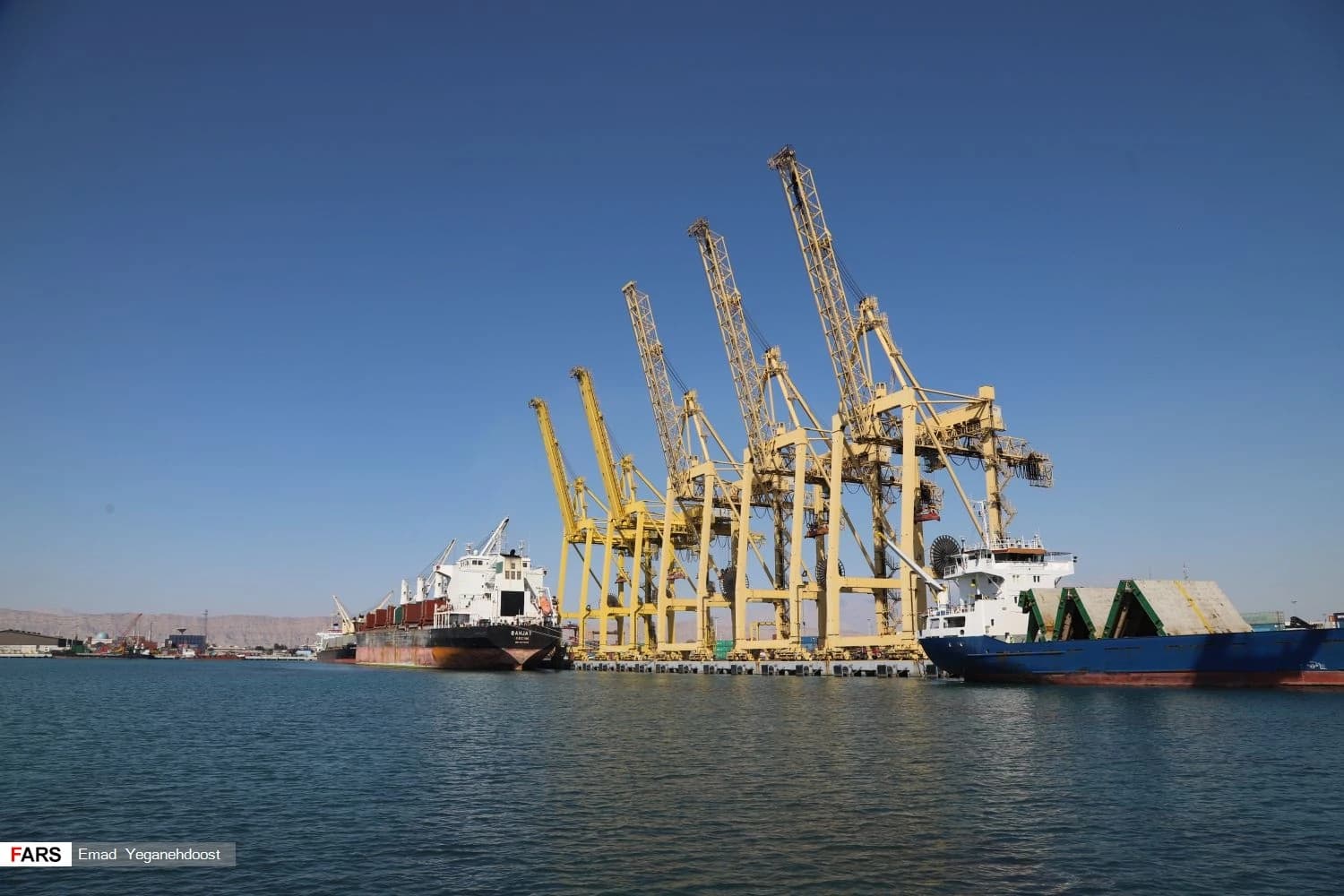
The Treasury Department has sanctioned an Indian couple and nine linked firms over alleged maritime fraud used to move Iranian crude, widening enforcement against the shipping and trading networks that keep Tehran’s exports flowing despite restrictions. For Iran, the measures threaten another layer of friction in a system that relies on evasive logistics, shadow intermediaries and discounted sales to preserve hard-currency income.
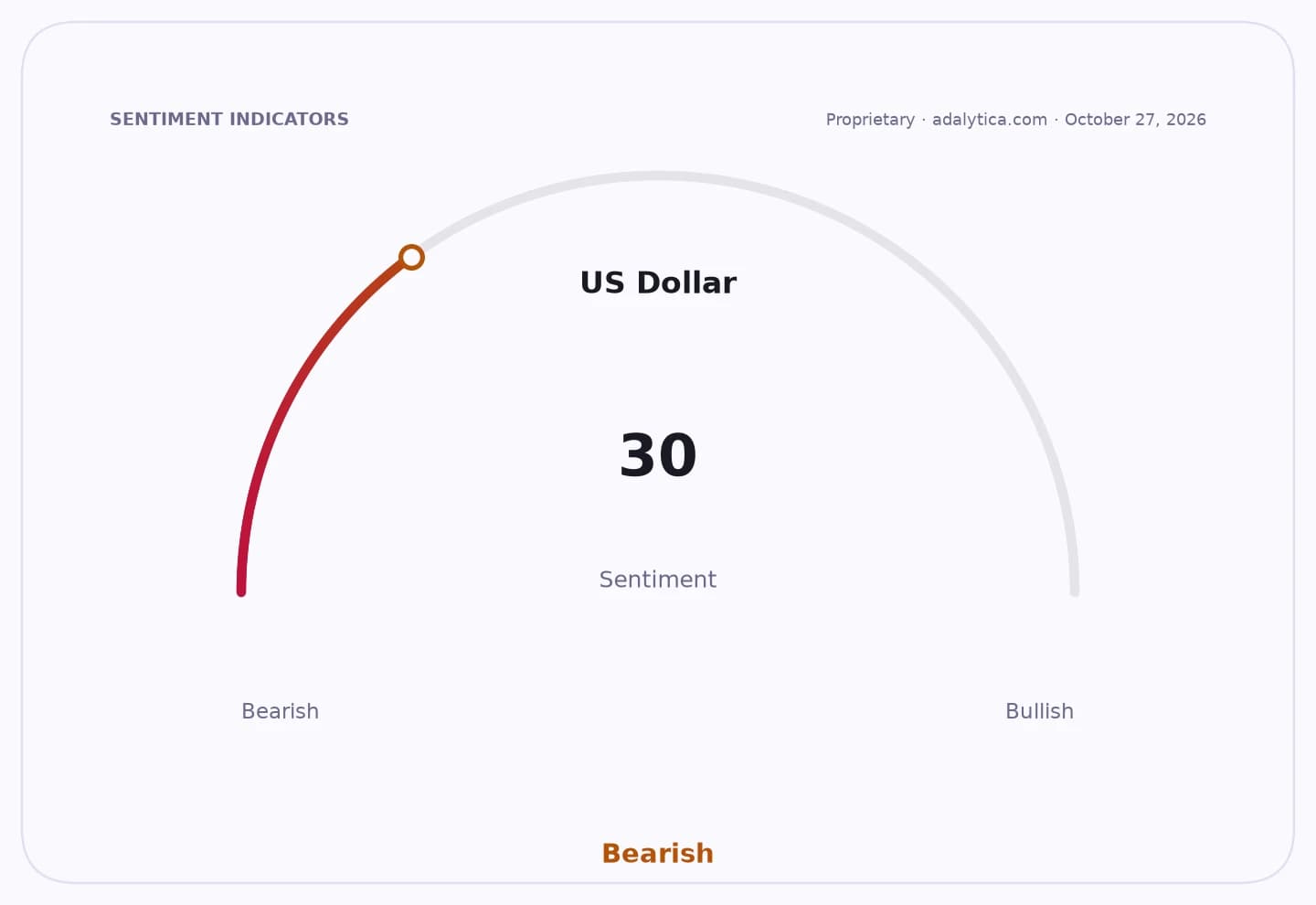
Sentiment Indicators
Policy Credibility
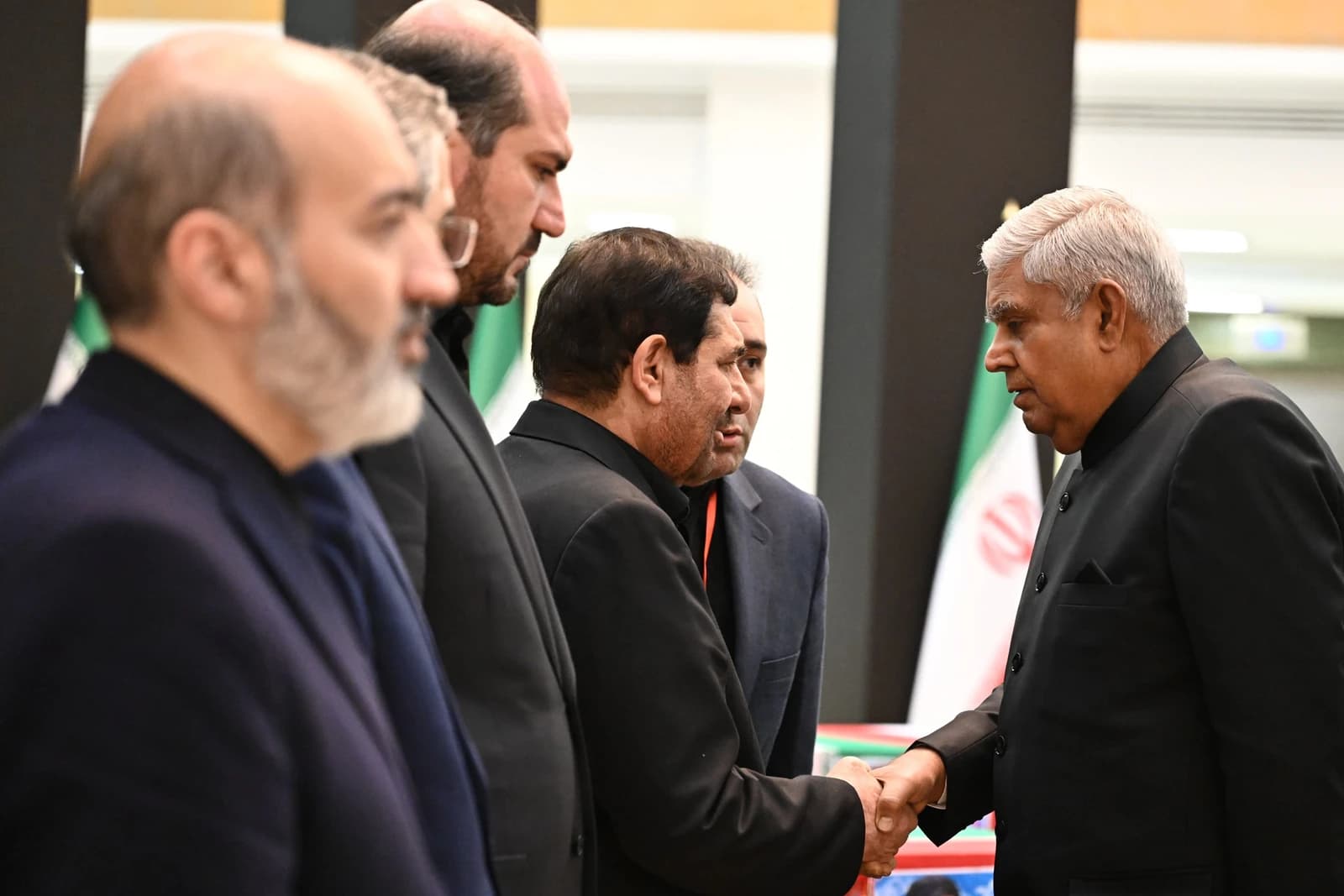
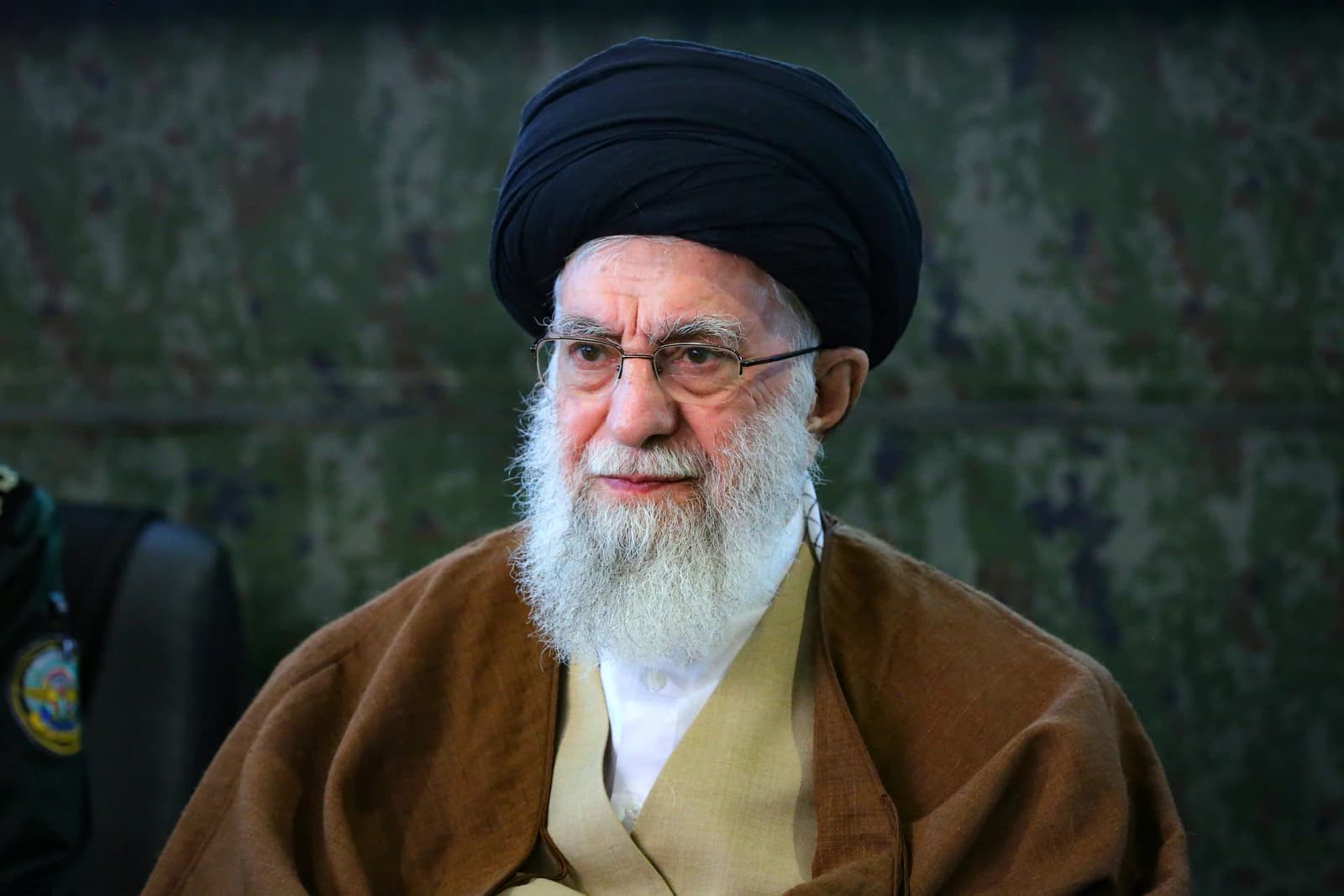
Mojtaba Khamenei said in a message to the nation that the US has pursued “domination and hostility” toward Iran for seven decades, citing the 1953 overthrow of Iran’s government, support for the shah, backing for Iraq and economic sanctions as evidence that pressure is a constant across administrations. He said Iran should not expect the end of hostility from negotiations, warning that concessions only invite more demands.
The message matters because it narrows the market’s policy range for one of the Middle East’s most important crude exporters. If Tehran sees little chance of a diplomatic thaw, investors should expect sanctions enforcement to remain a core feature of the oil market rather than a temporary negotiating tool.
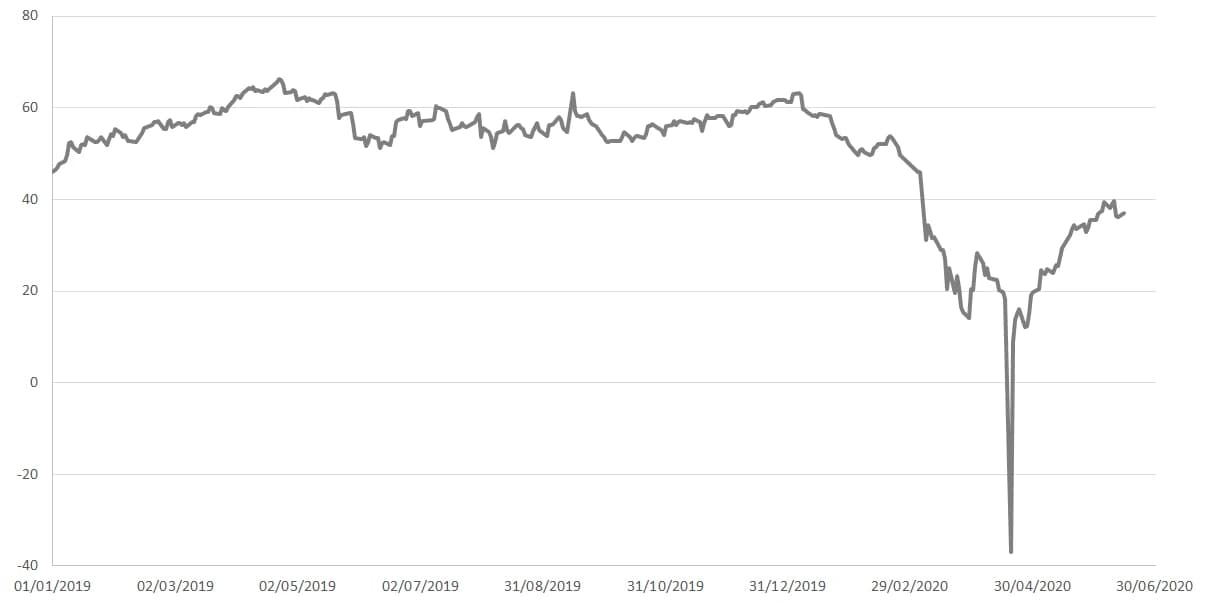
Policy Credibility Sentiment vs USOadalytica.com
Explore this data interactively — full history, time series and cross-market comparisons.
Policy Credibility
That is showing up in energy-linked assets. USO, the US oil ETF, recently traded at $148.41, far above its 50-day moving average of $152.22 but still elevated after a volatile run that pushed prices as high as $161.86 in mid-September. The Energy Select Sector SPDR Fund, XLE, ended at $61.62, below its 50-day moving average of $64.96, while the broader oil and gas exploration fund IEO fell to $129.73, well under its 50-day average of $141.37, reflecting a pullback even as geopolitical risk remains in focus.
Technically, the latest moves leave USO’s RSI near 37.7, XLE’s at 28.9 and IEO’s at 23.7, levels that indicate weak near-term momentum in the conventional indicators traders watch. But sanctions headlines can quickly reverse that, especially if enforcement tightens further against shipping, insurers and counterparties tied to Iranian barrels.
For investors, the immediate implications are tighter risk management around energy exposure, higher odds of headline-driven crude spikes and continued uncertainty for tanker, refining and regional shipping names. The next catalyst is likely to be another US sanctions round or any sign that Tehran responds by hardening its stance further on nuclear talks and regional security.
| Entity | Gains | Losses |
|---|---|---|
| US Treasury | ▲Stronger enforcement credibility | ▼Higher geopolitical friction |
| Iran’s oil exporters | ▲Limited market access | ▼More sanctions pressure |
| US oil producers | ▲Potential price support | ▼Policy uncertainty |
| Energy consumers | ▲None | ▼Risk of higher fuel costs |