The U.S. has shown it can reach into the plumbing of crypto finance itself, freezing a USDT wallet worth millions and dealing a fresh blow to how Iran and other sanctioned actors move money outside the traditional banking system.
U.S. Sanctions Reach Into Stablecoin Plumbing
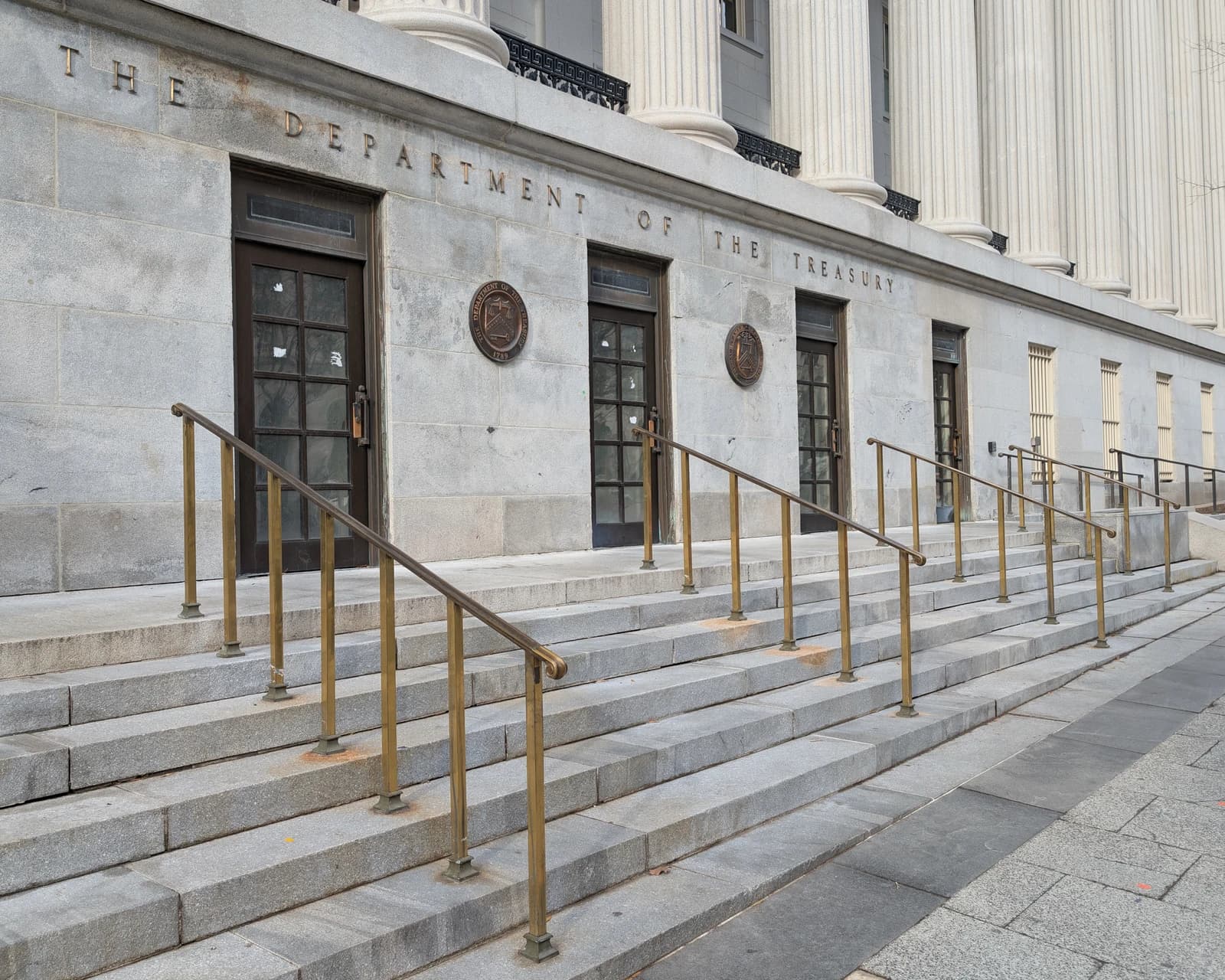
That matters because stablecoins have become one of the most important bridges between the digital-asset economy and the real world. For investors, the message is bigger than one wallet: crypto is no longer operating in a regulatory gray zone. The U.S. is proving it can police dollar-linked tokens the same way it polices bank accounts, and that changes the risk calculation for issuers, exchanges and anyone using stablecoins for cross-border payments.
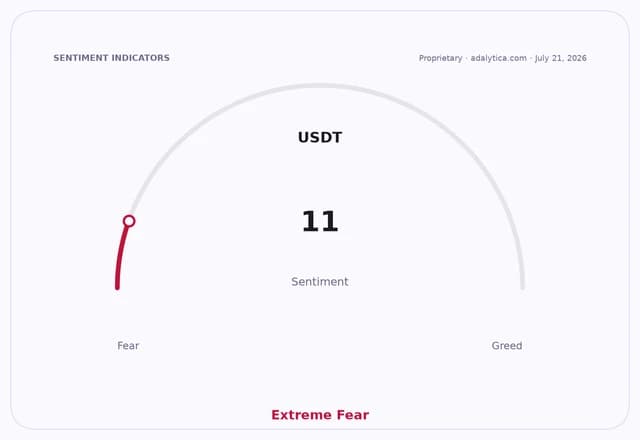
Sentiment IndicatorsⓘProprietary · adalytica.com · July 21, 2026
This is a snapshot — live sentiment, awareness and momentum for 130+ markets update continuously in the dashboard.Open AlphaPulse
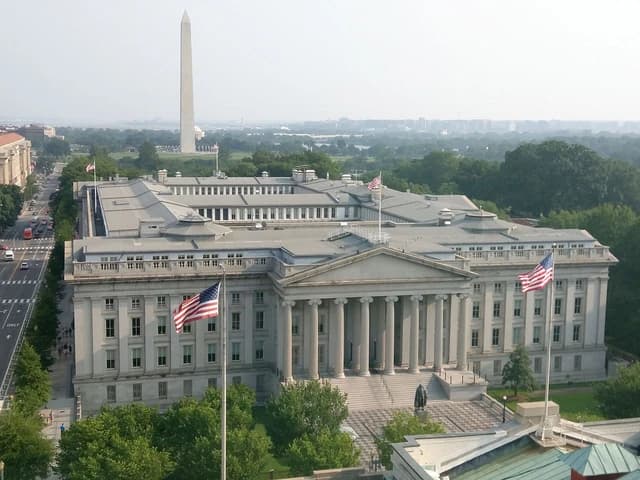
The move lands at a sensitive moment for the broader crypto market. Bitcoin has been trading around 29.43, with its 50-day moving average near 29.91, and recent RSI readings suggesting the token has been strong but not immune to sudden shifts in sentiment. Ethereum has also recovered to 18.34, above its 50-day average of 17.77, after a long stretch of pressure. In other words, the market is already trying to convince itself that crypto’s next chapter is about adoption, not enforcement. This action is a reminder that the two will coexist.
The economic significance is straightforward. Sanctions work best when they cut off access to dollar liquidity, and stablecoins have increasingly offered sanctioned networks a substitute for banks and correspondent payment rails. Freezing a USDT wallet signals that the dollar’s reach extends into blockchain infrastructure, not just into Wall Street compliance departments. That is a meaningful win for U.S. policy, because it raises the cost of evasion and narrows the usefulness of crypto as a sanctions workaround.
For Tether, and for the wider stablecoin industry, the implications are just as important. The business case for a dollar-backed token depends on trust, liquidity and broad acceptance. But it also depends on regulators tolerating the product’s role in payments. Every enforcement action like this strengthens the argument that stablecoins are becoming part of the formal financial system, while also increasing the pressure on issuers to keep tighter controls over wallet activity, counterparties and on-chain monitoring.
Investors should read that as both a risk and an opportunity. The risk is obvious: tougher sanctions enforcement can pressure volumes, trigger reputational damage and keep policymakers focused on the sector’s criminal misuse. But the opportunity is that greater regulatory clarity can ultimately deepen the market. If stablecoins are viewed as compliant financial infrastructure rather than a loophole, they could gain more institutional use in remittances, settlement and treasury management.
The market backdrop also reinforces that point. Bitcoin’s technical setup shows momentum improving, while its price remains below some recent highs, suggesting traders are still balancing bullish adoption narratives against policy risk. Ethereum’s rebound tells a similar story: the asset class is resilient, but not insulated. When enforcement tightens, the strongest networks and most trusted intermediaries tend to survive; weaker, less compliant players usually do not.
For long-term investors, the takeaway is not to chase every headline, but to understand what kind of asset class crypto is becoming. The days when stablecoins could be treated as a purely offshore experiment are fading. The U.S. has made clear that digital dollars can be frozen, traced and sanctioned just like the legacy system. That is a historic shift for crypto finance, and it is worth watching closely as governments, issuers and exchanges adjust to a much more controlled market.
| Entity | Gains | Losses |
|---|---|---|
| U.S. regulators | ▲Stronger sanctions enforcement | ▼Little room for crypto loopholes |
| Tether/USDT issuers | ▲More legitimacy if compliance tightens | ▼Higher scrutiny and controls |
| Bitcoin/Ethereum holders | ▲Potentially cleaner market structure | ▼Short-term policy risk |
| Iran and other sanctioned actors | ▲Fewer easy payment routes | ▼Access to dollar-linked liquidity |




