For a lot of young people, summer is more than a break from school — it is the first step into the labor market, and in 2026 that step is arriving against a still-resilient U.S. job backdrop.
U.S. Summer Jobs Outlook for Young Workers in 2026

That matters because first jobs do more than pad a résumé. They build work habits, create early income, and help students and recent graduates start accumulating experience that can pay off for years. When employers keep hiring seasonally, they are also signaling that businesses still need help, even if the pace of the broader labor market has cooled from its post-pandemic frenzy.
Sentiment IndicatorsⓘProprietary · adalytica.com · August 18, 2026
This is a snapshot — live sentiment, awareness and momentum for 130+ markets update continuously in the dashboard.Open AlphaPulse
The U.S. economy continues to add jobs at a steady pace, with nonfarm payrolls forecast to edge up to about 158,959,300 in August from 158,858,000 in July, while the unemployment rate is expected to stay near 4.1%. That is not a boom, but it is healthy enough to keep seasonal openings alive for retailers, restaurants, leisure companies, logistics firms and local services that tend to absorb young workers each summer.
Openings remain substantial too. Job vacancies were last reported at 7.359 million in June, still above the levels seen before the pandemic even after a sharp pullback from the 2021 peak. In practical terms, that means teenagers and college students looking for summer work are not entering a frozen market. They are entering one that is cooler, more selective and more normal — which is exactly why these jobs can be so valuable.
For investors, the story is not just about wages or one season of hiring. It is about the labor pipeline. Companies that bring in young workers today are often cultivating tomorrow’s full-time employees, and sectors that continue to hire through the summer usually have at least some underlying consumer demand holding up. That supports businesses tied to travel, dining, retail and services, even as margins remain sensitive to wage costs.
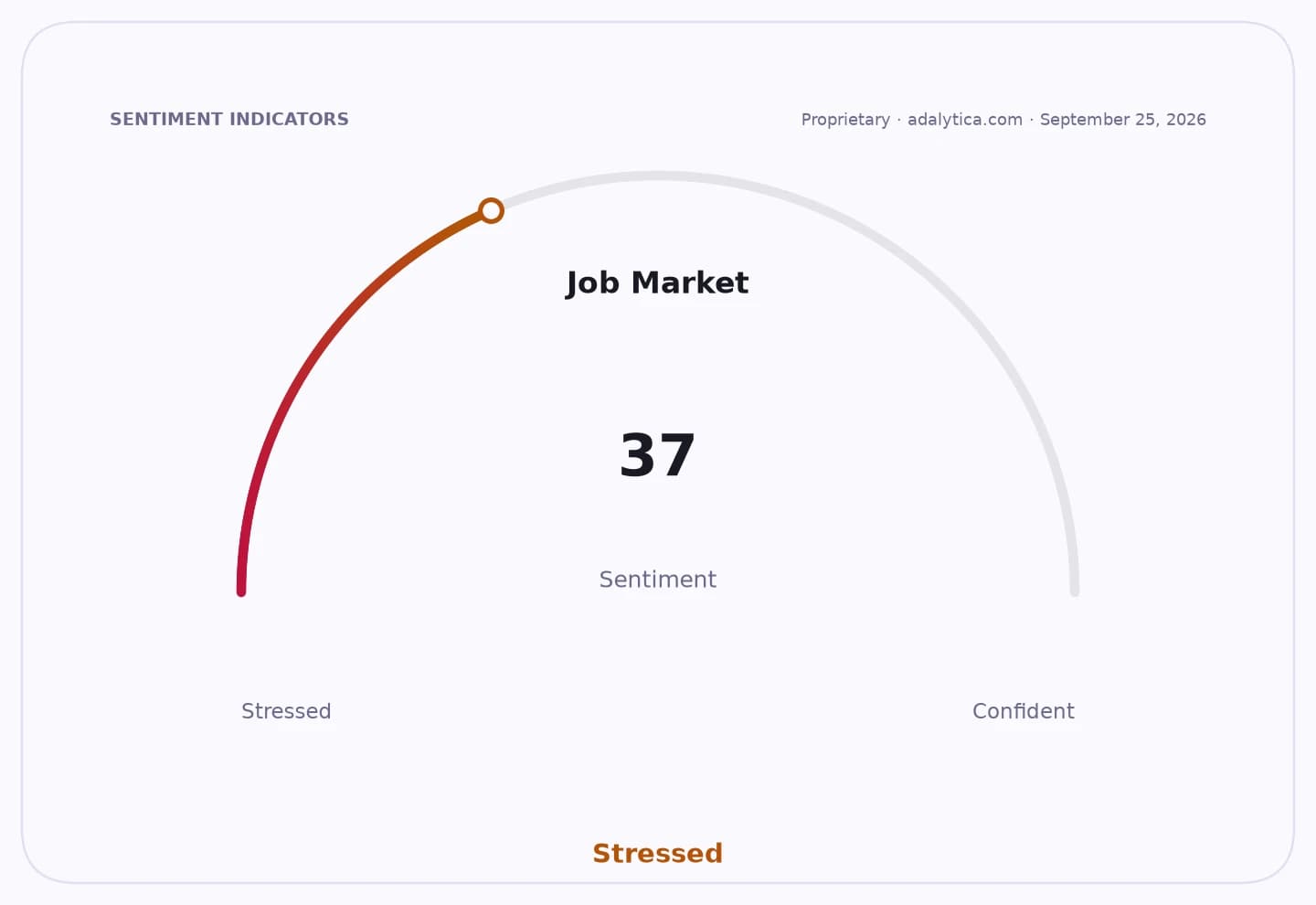
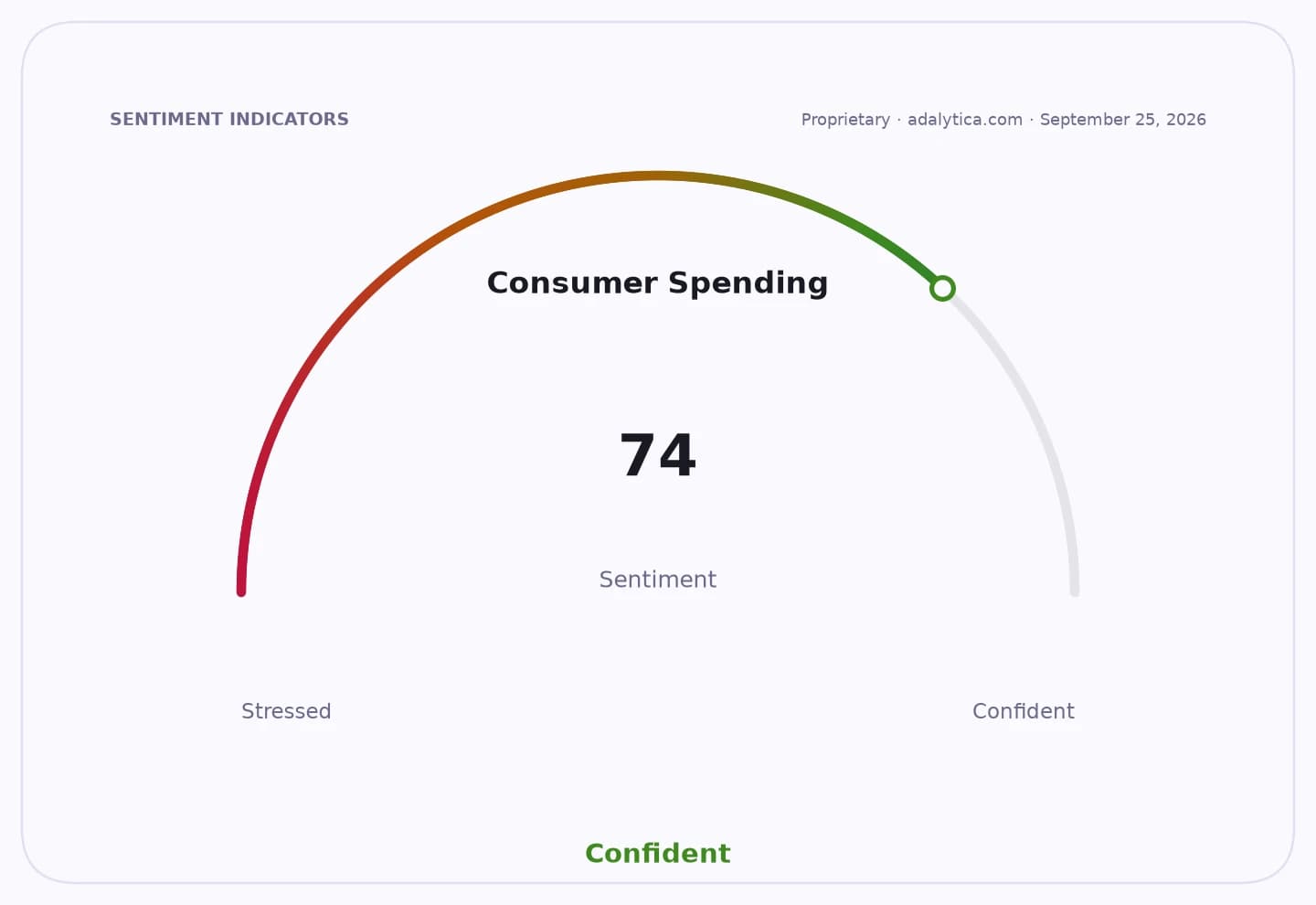
The picture is more uneven for employers. Labor-demand sentiment remains mixed, and while the broader payrolls gauge from Adalytica.com points to strong momentum, job-market sentiment is still only neutral. That combination fits a labor market that is not collapsing, but is not as effortless for workers as it was during the hottest post-pandemic stretch. For young job seekers, though, a slower market can still be a good market if employers are willing to train.
That is the long-term investing angle here. Summer jobs may look small next to AI, cloud or infrastructure spending, but they are part of the real economy that keeps households spending and companies hiring. A resilient labor market supports consumer demand, and consumer demand supports earnings. For investors, the lesson is simple: businesses with the ability to recruit, train and retain young workers tend to be more durable than those that cannot. Worth watching, and worth remembering for anyone building a portfolio for the next 5 to 10 years.
| Entity | Gains | Losses |
|---|---|---|
| Young workers | ▲Experience and income | ▼Free time |
| Employers | ▲Seasonal labor and future talent | ▼Higher payroll costs |
| Consumers | ▲Better service availability | ▼Slightly firmer prices |
| Long-term investors | ▲Signs of economic resilience | ▼Recession bets |