The US Supreme Court’s decision clearing the way for the Trump administration to end Temporary Protected Status is set to hit a labor force that has become increasingly important to employers, even as the broader US economy remains near full employment.
US Supreme Court TPS Ruling Threatens 4.2% Labor Market
The ruling matters because TPS holders are concentrated in jobs that are hard to fill, from construction and logistics to retail, food service and agriculture. Removing their work authorization would not only disrupt hundreds of thousands of households, but could also tighten already fragile labor markets in sectors that rely heavily on immigrant labor and have little room to absorb sudden turnover.
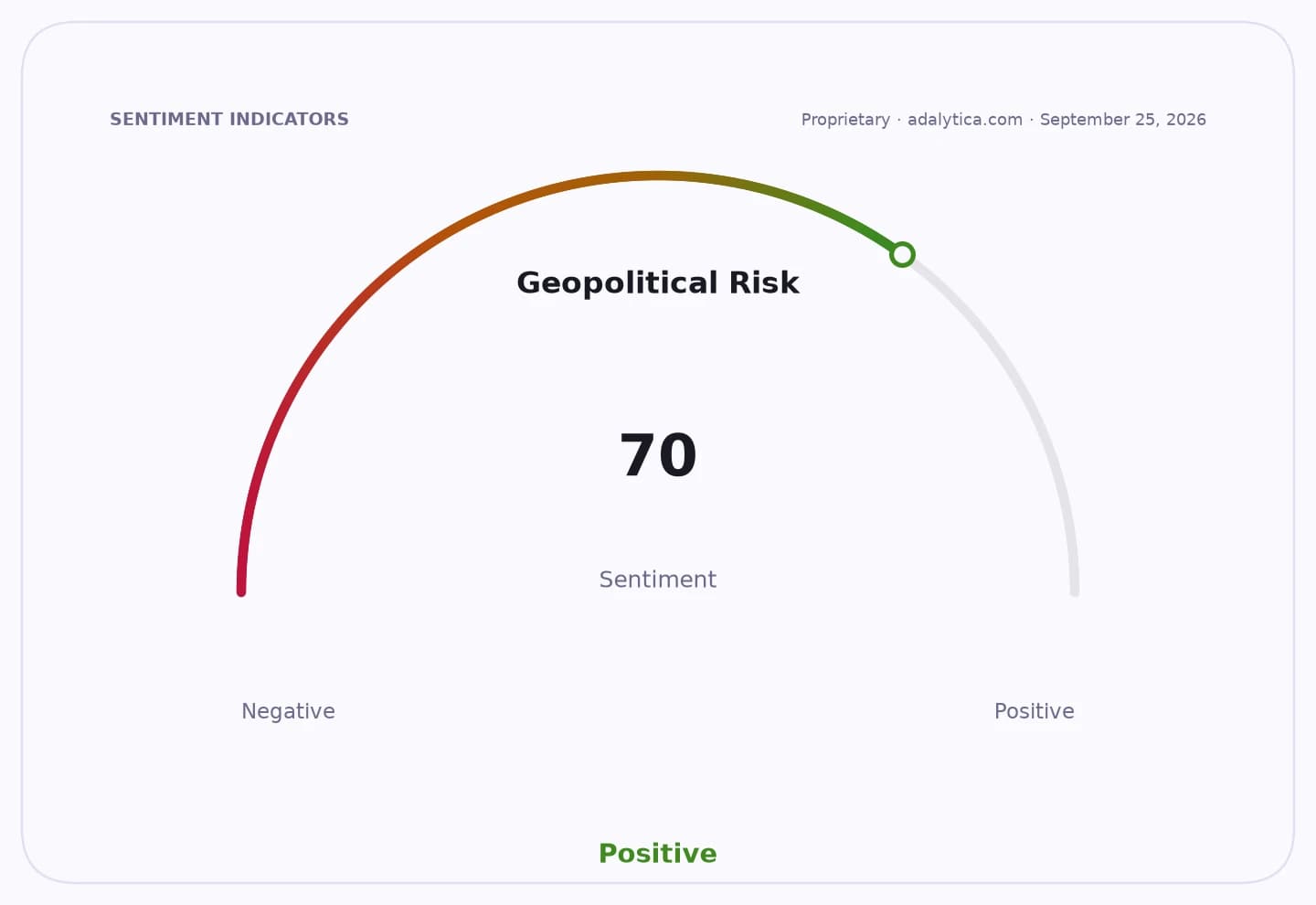
Sentiment IndicatorsⓘProprietary · adalytica.com · August 2, 2026
This is a snapshot — live sentiment, awareness and momentum for 130+ markets update continuously in the dashboard.Open AlphaPulse
The macro backdrop makes the stakes clearer. The unemployment rate is running at 4.2%, near levels consistent with a tight labor market, while job openings have held around 7.6 million in the latest data, still leaving employers with far more vacancies than workers in several service industries. That imbalance has already made hiring costly and slow. A forced exit or legal uncertainty for TPS recipients would reduce labor supply further, potentially feeding wage pressure in the short run and forcing employers to raise pay, cut hours or delay projects.
For investors, the impact is less about a single headline and more about the second-order effects on margins, demand and policy risk. Companies exposed to immigrant labor, including retailers such as Walmart and industrial names such as Deere and Caterpillar, face the possibility of higher labor costs, weaker staffing and more volatile operations if workers lose status or move into the shadows of the labor market. In consumer sectors, lower-income immigrant households also tend to spend quickly, so any hit to income or legal employment could bleed into discretionary sales, remittances and demand for essentials.
That creates a divided set of winners and losers. Employers that depend on low-margin, labor-intensive models are the most exposed on cost and execution. At the same time, workers and households face immediate financial stress from uncertainty over wages, benefits, credit access and housing. Banks, landlords and local retailers in immigrant-heavy regions could also feel the strain if household cash flow weakens.
The ruling also lands in a politically charged environment, with immigration enforcement already a major flashpoint and congressional gridlock high. That increases the chance of uneven implementation, prolonged litigation and state-level spillovers. For markets, the key question is not just how many TPS holders ultimately lose protection, but how quickly the shock moves through labor supply, consumer spending and corporate guidance.
Investors will be watching for signs that companies with large hourly workforces start flagging staffing pressure, higher turnover or margin compression in coming earnings reports. If the administration’s move proceeds without legislative relief, the economic cost will likely show up gradually, but in the sectors that can least afford it.
| Entity | Gains | Losses |
|---|---|---|
| Trump administration | ▲Immigration-policy win | ▼Political pushback risk |
| Employers in labor-heavy sectors | ▲Possible wage discipline if labor supply shifts | ▼Staffing shortages and higher costs |
| TPS workers and households | ▲Limited near-term relief from litigation uncertainty | ▼Job loss, income pressure, weaker spending |
| Consumer-facing retailers and local lenders | ▲None materially | ▼Softer demand and credit stress |