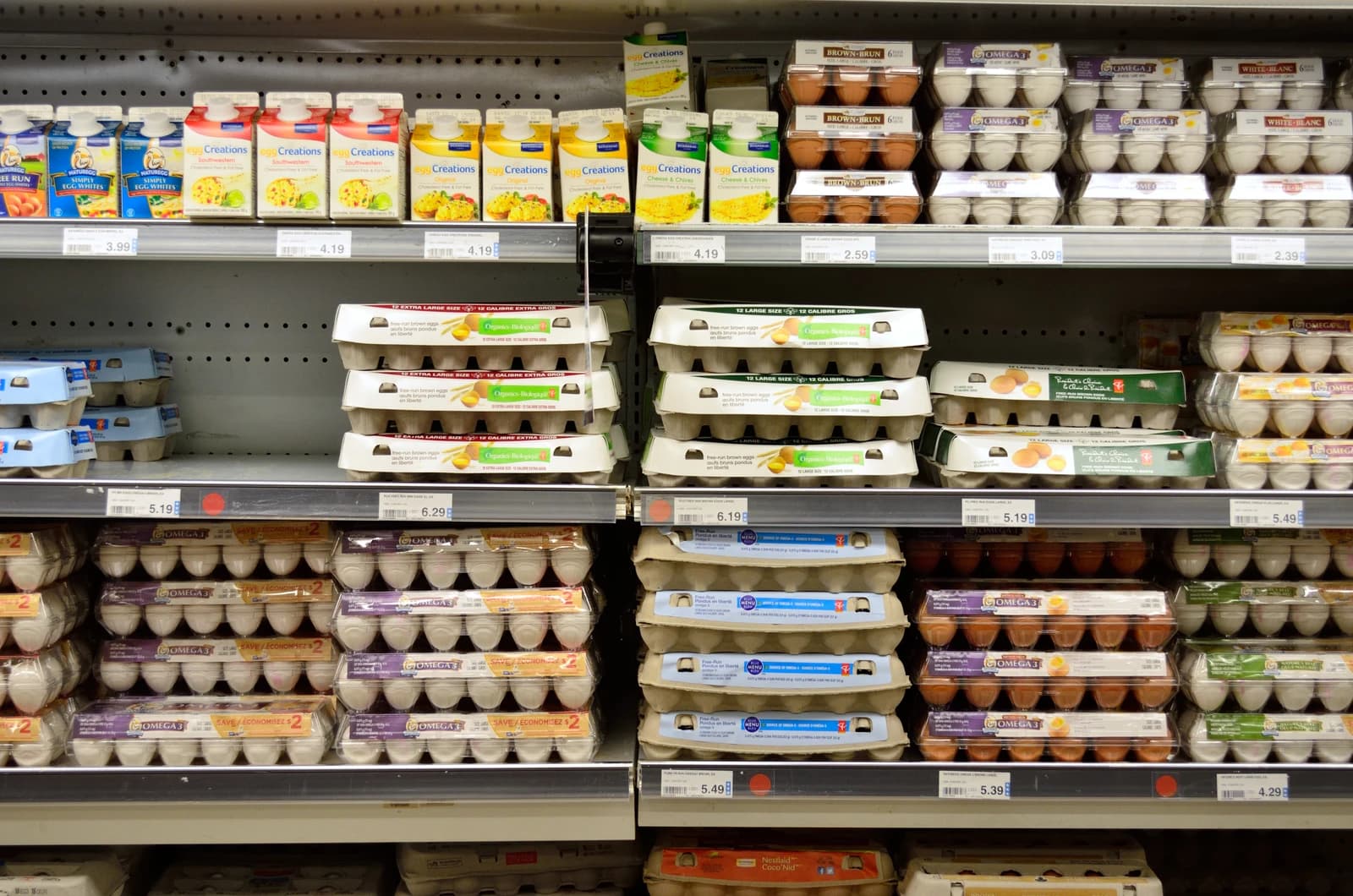
Thanksgiving dinner is getting cheaper for U.S. households this year, with the classic 12-item meal for 10 people costing $61.17 on average, down 4.5% from last year's record $64.05, according to the American Farm Bureau Federation.
U.S. Thanksgiving meal costs fall 4.5% this year
The drop matters because food inflation has been one of the clearest pressure points for consumers over the past two years, and a lower holiday bill suggests the broader inflation surge is easing enough to reach grocery baskets. The improvement is being driven in part by lower turkey costs, a relief for families that have been squeezed by higher prices on staples from meat to packaged goods.
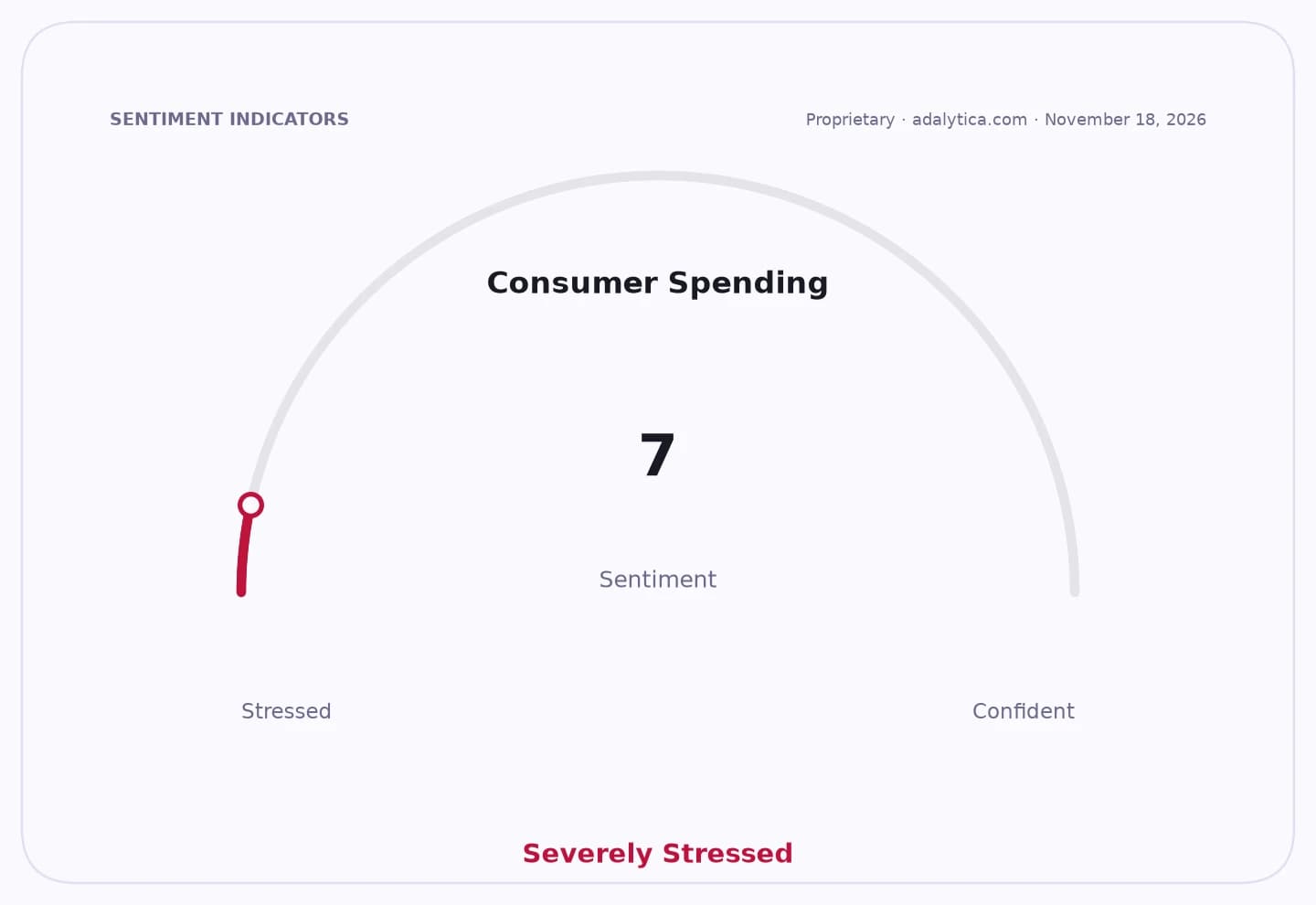
Sentiment Indicators
Turkey-focused companies and food distributors are feeling the shift in different ways. Tyson Foods, one of the biggest U.S. protein suppliers, has been navigating a volatile commodity backdrop, while grocers and foodservice operators are likely to see holiday demand supported by smaller price tags rather than bigger volumes of inflation-driven spending.
The timing also fits a wider cooling trend in U.S. price pressures, even as policymakers remain wary of renewed inflation in other markets. Adalytica's CPI sentiment gauge is neutral at 70, but U.S. inflation awareness remains high, underscoring how closely investors are still watching price data for clues on consumer demand and Federal Reserve policy.
CPI
For investors, cheaper Thanksgiving meals are a consumer-positive sign, but not a broad green light for food stocks: easing farm-gate costs can compress pricing power for producers even as it helps retailers and household budgets. The next read on food inflation will determine whether this year's lower holiday tab is a one-off or part of a more durable reset in grocery prices.
| Entity | Gains | Losses |
|---|---|---|
| Consumers | ▲Lower holiday food bill | ▼Less pricing pressure relief later |
| Retailers/Grocers | ▲Better affordability, steady traffic | ▼Smaller inflation-led ticket growth |
| Tyson Foods and protein suppliers | ▲Stable holiday demand | ▼Softer turkey pricing |
| Foodservice buyers | ▲Lower input costs | ▼Weaker menu-price leverage |