Used electric vehicle prices are firming just as demand improves, and that shift could be one of the clearest signs the EV market is moving from hype to durable adoption. For investors, the message is simple: falling battery costs and broader model availability are making EVs more accessible, but the stronger near-term opportunity may sit in the used-car market, where affordability is pulling in buyers who were priced out of new vehicles.
Used EV Prices Firm as Adoption Broadens

The data shows a market that has been steadily re-rating. The used EV price series has climbed to an estimated 674,837.9 in July 2026, up from 666,056 in June and 621,713 in December 2024. That is not the kind of move you see in a niche product with fading demand. It suggests second-hand EVs are becoming a mainstream purchase, helped by a wider base of shoppers, better charging coverage and a growing willingness to accept electric drivetrains as a practical choice rather than an experiment.
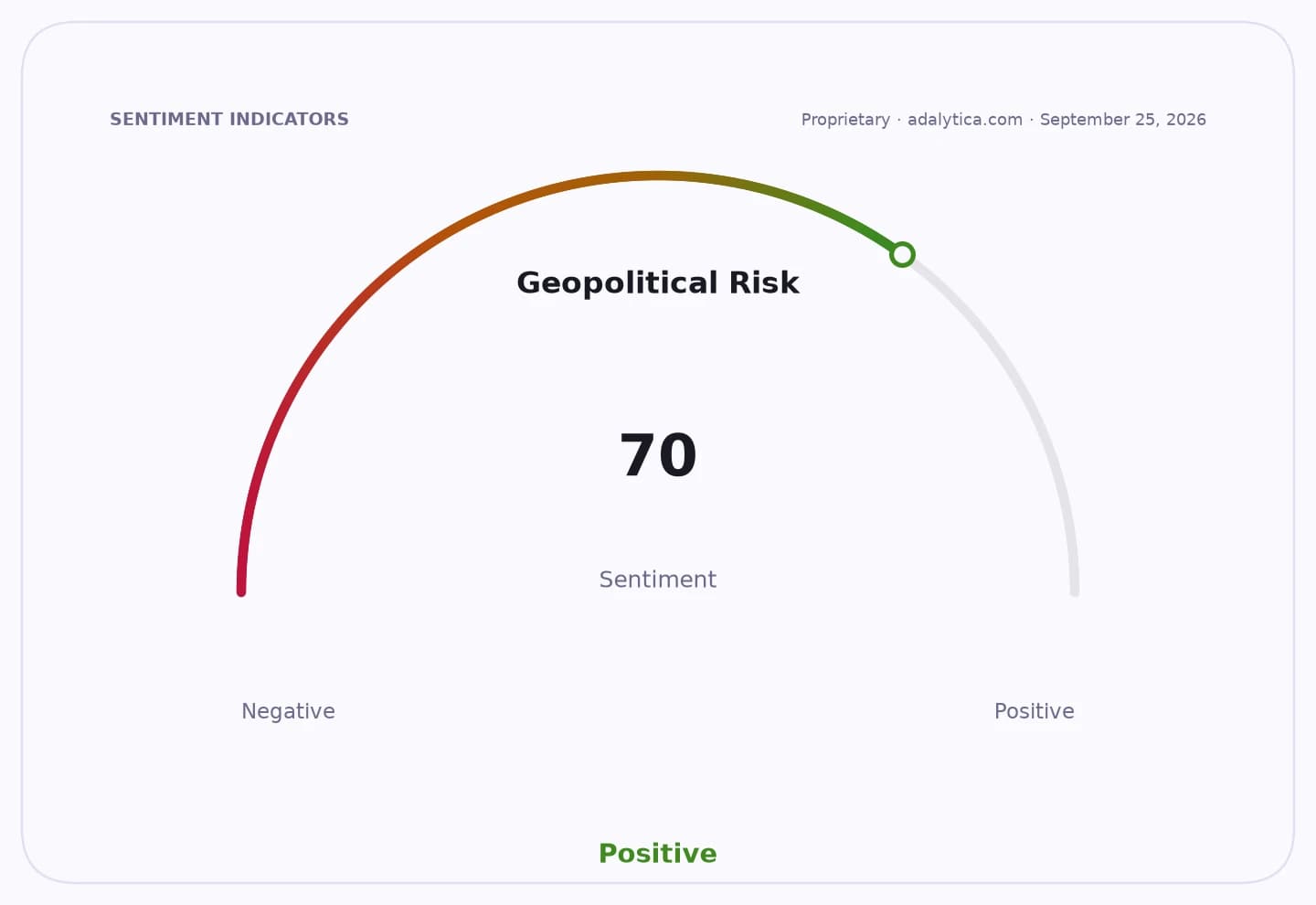
Sentiment IndicatorsⓘProprietary · adalytica.com · July 22, 2026
This is a snapshot — live sentiment, awareness and momentum for 130+ markets update continuously in the dashboard.Open AlphaPulse
That matters economically because used EVs are the on-ramp for the next wave of adoption. New EV sales can be constrained by sticker shock, incentive changes and tariff noise, but used vehicles widen the funnel. When the used market strengthens, it supports residual values, improves leasing economics and makes financing easier for dealers and lenders. It also signals that the technology is holding up in the real world, which helps reduce the perceived risk premium around battery degradation and resale value.
Investor sentiment is being reinforced by the macro backdrop. U.S. unemployment is holding near 4.2%, consumer sentiment remains weak and the dollar is flashing signs of strength, all of which point to a buyer base that is still price sensitive. In that environment, cheaper EVs with respectable range become more attractive, especially as automakers push down cost structures and bring more models into the market. That is why new launches like Kia’s Syros EV in India, with 526 kilometers of range and an affordable positioning, matter beyond one market: they show the industry is competing on value, not just novelty.
The stock-market read-through is even more important. Tesla remains the benchmark for the entire EV trade, and its price action shows the market is still paying for optionality around scale, software and energy storage even as conventional technical indicators such as the 200-day moving average and RSI have cooled from earlier extremes. Carvana, meanwhile, is directly exposed to used-vehicle turnover, and a healthier used EV market is a tailwind for a digital retailer built to capture transaction volume. If used EV prices keep rising while overall consumer demand stays intact, that is a better backdrop for dealers, lenders and remarketing platforms than for bargain-hunting buyers waiting for a collapse that is not arriving.
The real narrative here is that EV adoption is broadening through the back door. As new EV competition intensifies and affordability becomes the key battleground, used EVs may become the market’s most important volume engine. The winners are the platforms that can finance, recondition and distribute these cars efficiently; the losers are buyers waiting for prices to break lower and sellers banking on a return to steep depreciation. I believe the better trade is to own the picks-and-shovels of EV affordability before the market fully prices in how quickly used EVs can become a mainstream category.
| Entity | Gains | Losses |
|---|---|---|
| Used-car retailers | ▲Higher turnover | ▼ |
| EV buyers seeking value | ▲More affordable entry point | ▼ |
| New-car EV sellers | ▲ | ▼More price pressure |
| Auto financiers | ▲Better loan originations | ▼Residual-value risk |