Utah drivers are paying more at the pump just as federal data shows inflation easing only slightly and remaining too hot for the Federal Reserve to relax.
Utah Gas Prices Hit $5 as PCE Inflation Eases
The average price of regular gasoline in Utah reached $5 a gallon on Wednesday, up 3 cents from a week earlier and $1.61 from a year ago, according to AAA. Nationally, regular gas averaged $4.43 a gallon, while diesel remained near record territory at $6.41, underscoring how fuel costs continue to feed through the economy even as headline inflation showed signs of cooling.
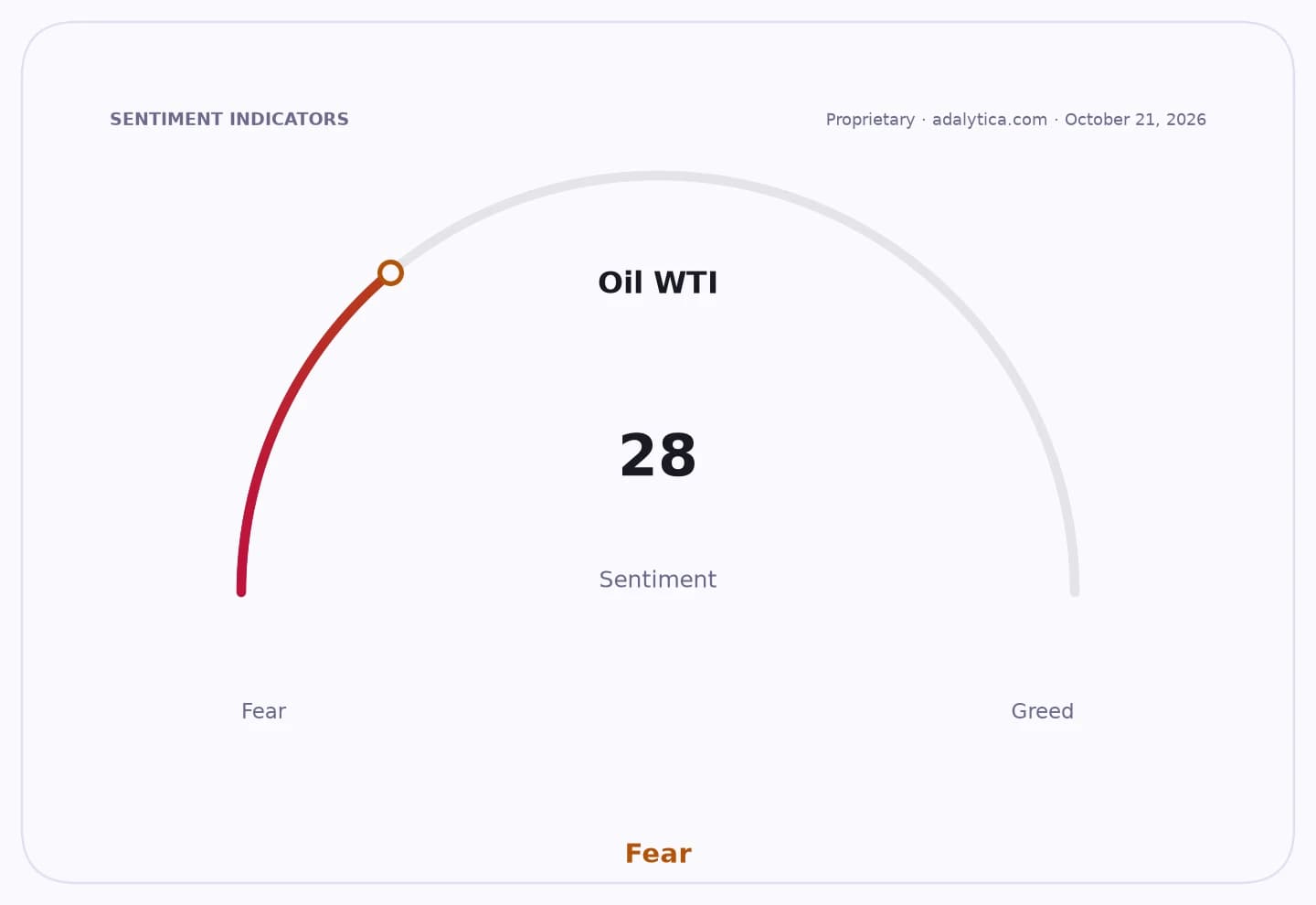
Sentiment IndicatorsⓘProprietary · adalytica.com · October 4, 2026
This is a snapshot — live sentiment, awareness and momentum for 130+ markets update continuously in the dashboard.Open AlphaPulse
The timing matters because energy prices are doing more than squeezing commuters. Diesel, which powers freight trucks, trains, ships and much of the machinery used in agriculture and construction, affects the cost of moving nearly everything in the economy. That means higher fuel prices can keep consumer inflation sticky even when other categories ease, complicating the Federal Reserve’s effort to bring inflation back to its 2% target without further weakening growth.
The Commerce Department said the personal consumption expenditures price index rose 3.4% in August from a year earlier, with core PCE at 3%, both lower than economists had expected. July’s PCE reading was also revised down to 3.4%. That is progress, but it is not enough to suggest price pressures are back under control, especially when gasoline and diesel are moving in the wrong direction again.
For the Fed, that keeps policy in a difficult place. The central bank raised rates by a quarter point earlier this month and has stressed that it needs more confidence that underlying inflation is moving toward target. Persistent fuel costs, along with tariff effects and disruptions linked to conflict in the Middle East, make that case harder to make and leave rates higher for longer in the eyes of markets.
For investors, the message is twofold. Higher gasoline and diesel prices are a headwind for consumer discretionary spending, transportation margins and inflation-sensitive rate expectations. At the same time, they support integrated oil majors and producers, which tend to benefit when crude and refined product prices rise.
That split was visible in energy shares, with Exxon Mobil, Chevron and ConocoPhillips trading higher in recent sessions and still holding above their 50-day and 200-day moving averages, while fuel-sensitive sectors face a more direct squeeze. But the broader market implication is less about one week’s move in oil and more about whether energy can keep inflation from falling fast enough to let the Fed pivot.
If pump prices remain elevated into the fall, they will likely reinforce consumer frustration, pressure freight and farm input costs, and keep inflation expectations from settling. For now, Utah’s $5 gasoline is less an isolated local price spike than another sign that the path back to normal inflation remains uneven.
| Entity | Gains | Losses |
|---|---|---|
| Oil producers | ▲Higher realized prices | ▼None |
| Integrated majors | ▲Stronger upstream margins | ▼Fuel-cost backlash |
| Consumers/Utah drivers | ▲None | ▼Higher household costs |
| Transportation, farming, builders | ▲None | ▼Higher diesel and input costs |