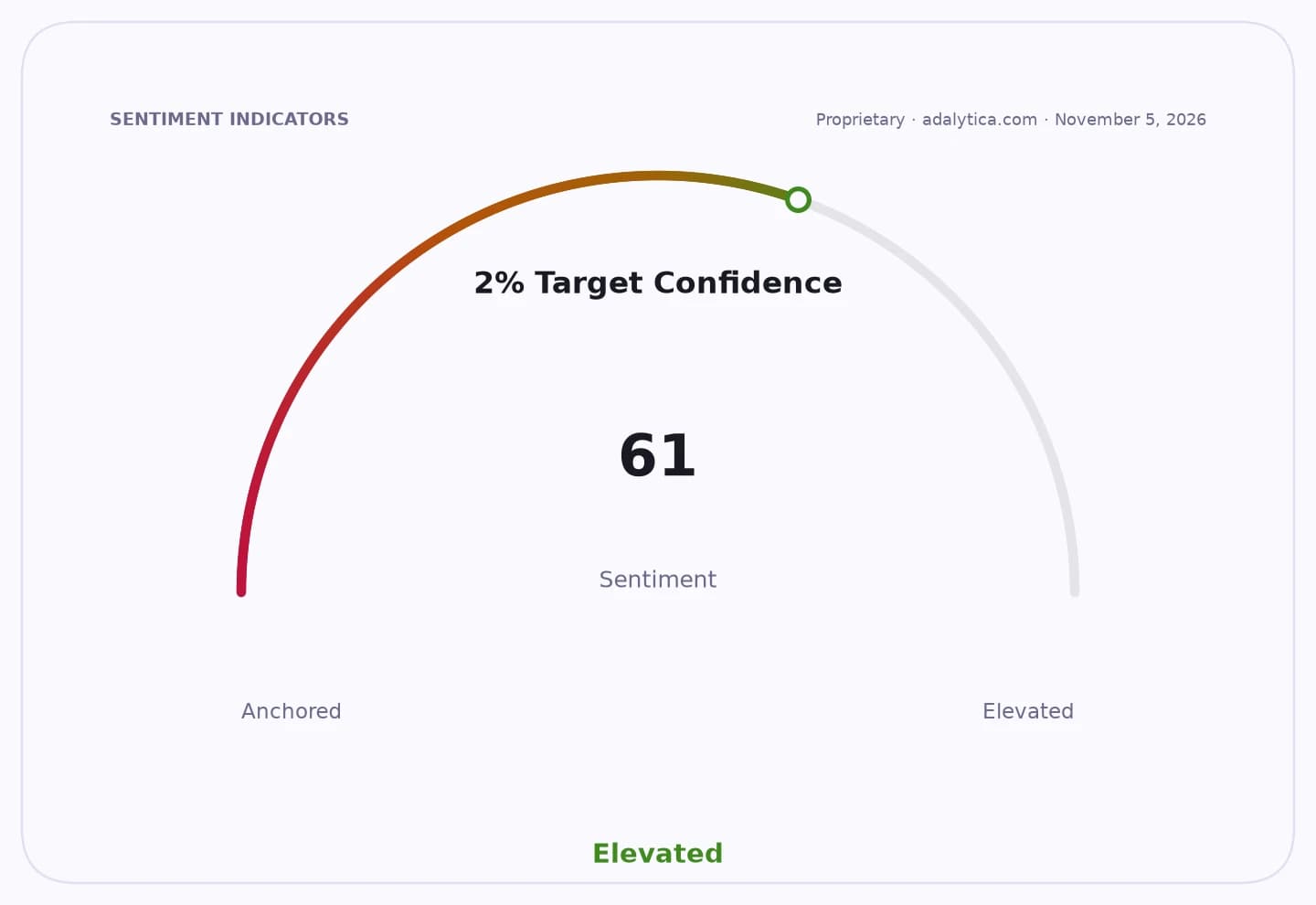
Uzbek households are starting to believe inflation is cooling, a shift that matters because expectations themselves can help determine how stubborn price rises become.
Uzbekistan Household Inflation Expectations Fall to 8.7%

The Central Bank of Uzbekistan said household inflation expectations fell to 8.7% in September, a sign that price psychology is moving in the right direction after a period of elevated inflation pressure. For policymakers, that is more than a survey reading: it is a crucial input into wage-setting, consumer behavior and the central bank’s room to keep monetary conditions stable rather than tight.
If expectations keep drifting lower, the economy gets an important tailwind. Lower inflation expectations can reduce the risk of second-round price effects, ease pressure on retailers and manufacturers, and make it easier for the central bank to support growth without losing credibility on price stability. In emerging markets, that credibility premium matters because investors often demand it before committing long-term capital.
The message also matters for local financial assets. A steadier inflation outlook can help anchor the currency, support government bond demand and improve visibility for banks and domestic borrowers. For equity investors, that combination is usually best for consumer lenders, utilities and businesses with pricing power, while import-dependent firms and highly leveraged companies remain vulnerable if food or energy costs reaccelerate.
The broader narrative is one of gradual disinflation, not victory. Households are signaling less fear of future price spikes, but that sentiment can reverse quickly if food, energy or currency pressures return. For investors, the opportunity lies in positioning for a policy environment that becomes incrementally more supportive as inflation expectations normalize, rather than waiting for perfect confirmation from official data alone.
| Entity | Gains | Losses |
|---|---|---|
| Uzbekistan households | ▲Higher real purchasing power | ▼Less urgency to front-load spending |
| Central Bank of Uzbekistan | ▲More policy credibility | ▼Less need for aggressive tightening |
| Local banks and bondholders | ▲Better rate stability | ▼Lower carry if yields fall |
| Importers and consumers | ▲Easier price planning | ▼Exporters face stronger domestic demand pressures |