Inflation in Uzbekistan may not return to the central bank’s target until 2028, underscoring how sticky price pressures can keep policymakers in a cautious stance even after recent disinflation.
Uzbekistan Inflation May Stay Sticky Until 2028

That matters because the inflation outlook is the clearest guide to how long borrowing costs will have to stay restrictive, how quickly real incomes can recover and whether the country can sustain investment-led growth without reigniting price pressure. A two-year timeline suggests the battle against inflation is not yet won and that policy easing, if it comes at all, is likely to be gradual.
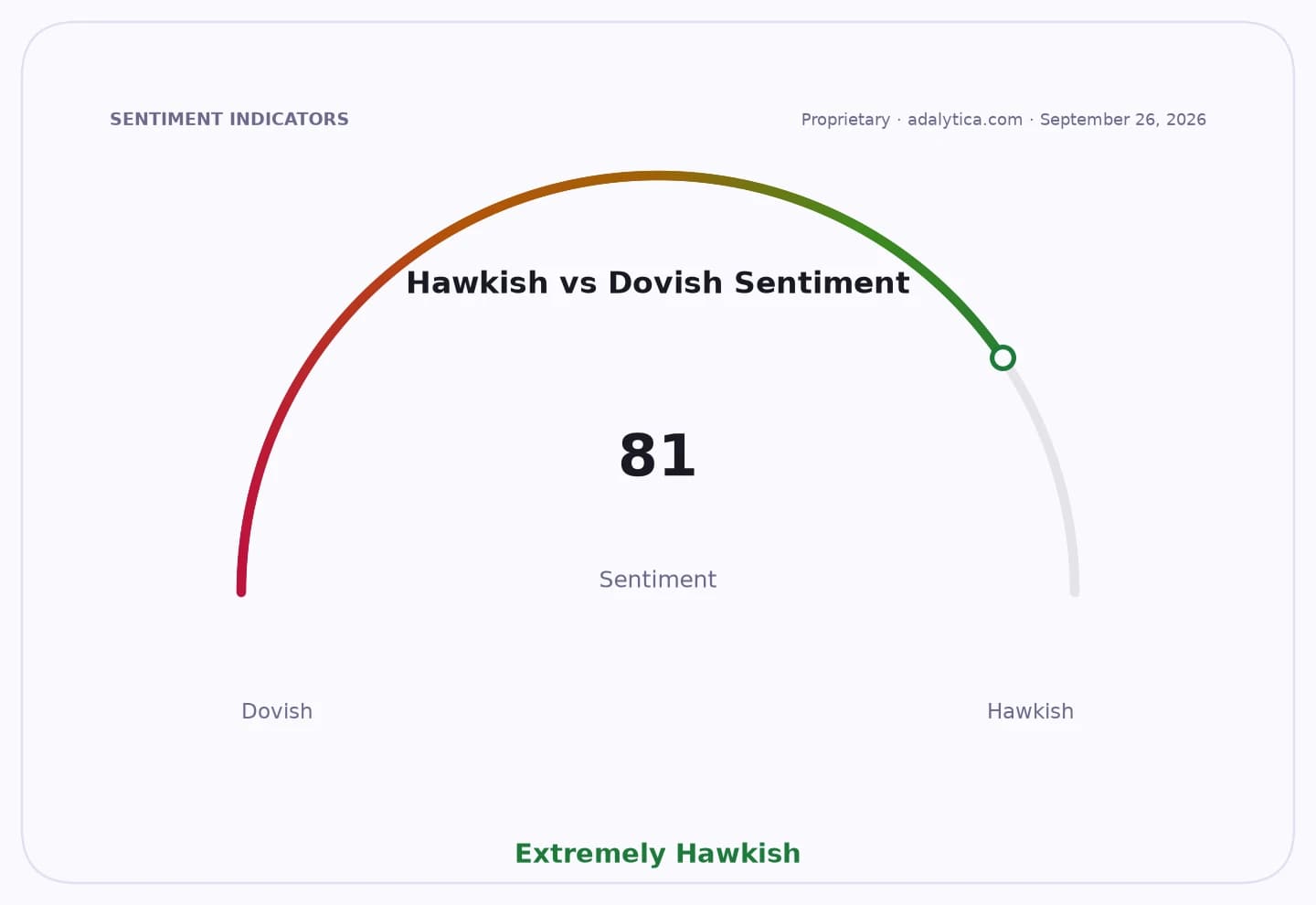
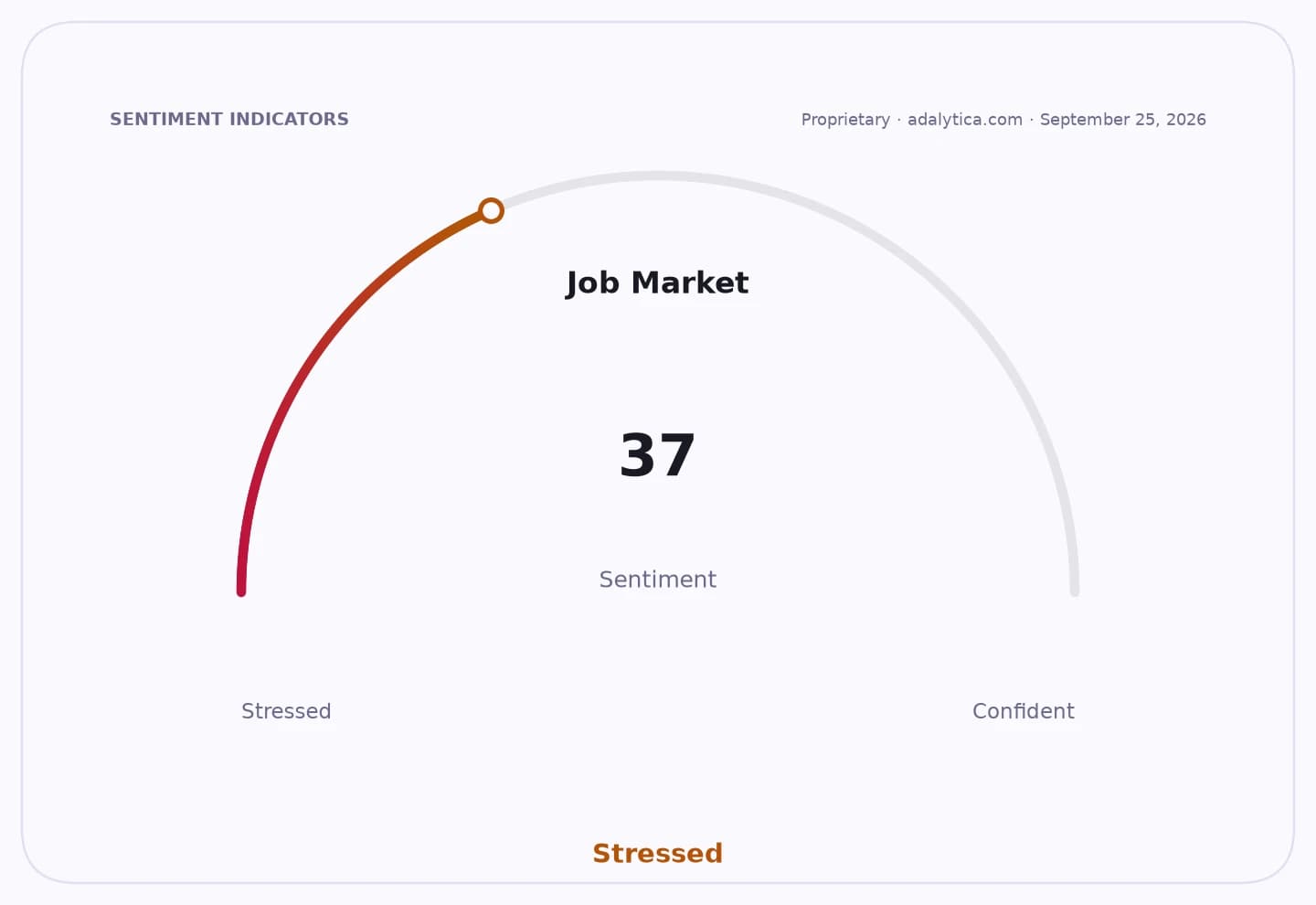
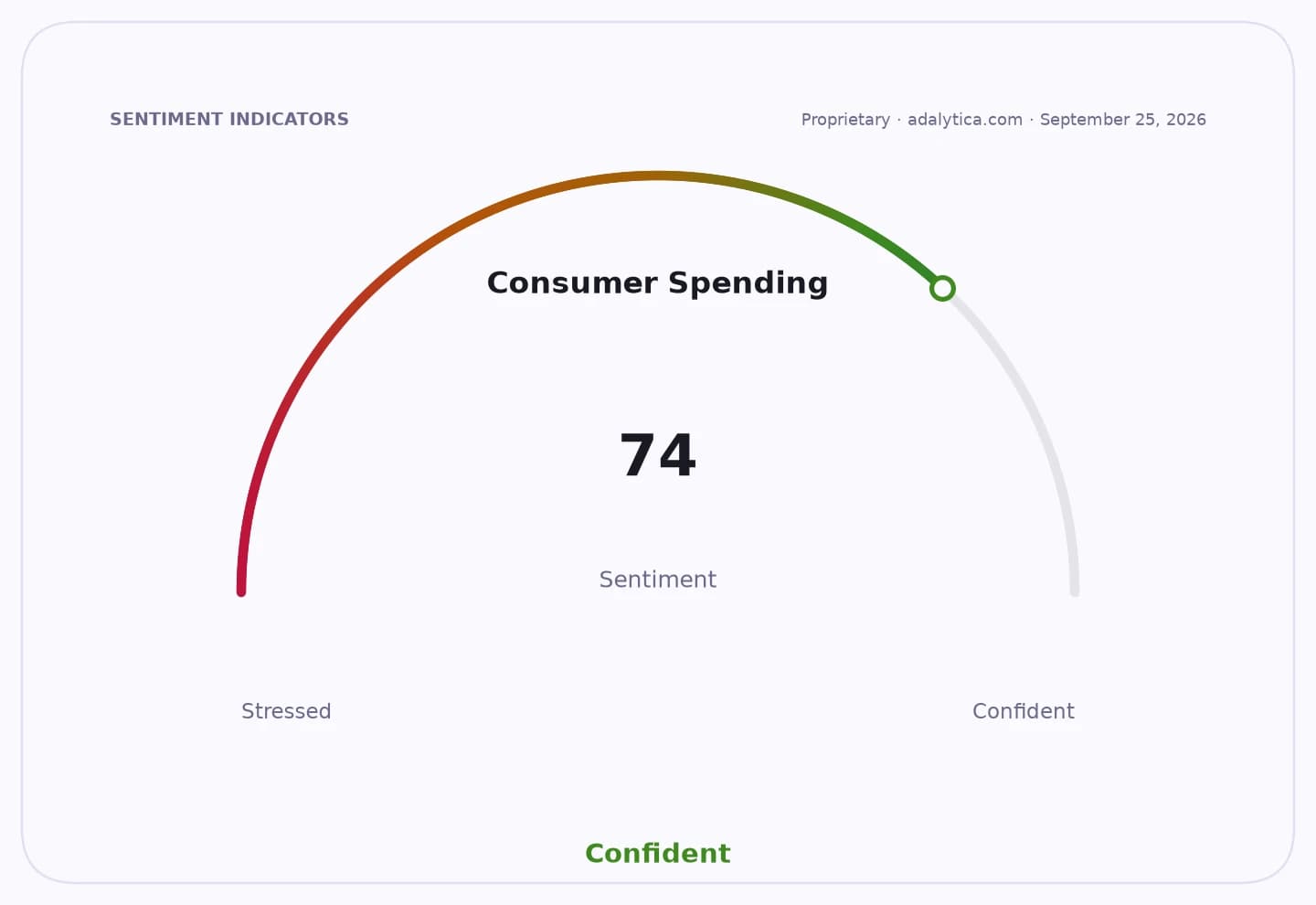
Sentiment IndicatorsⓘProprietary · adalytica.com · July 25, 2026
This is a snapshot — live sentiment, awareness and momentum for 130+ markets update continuously in the dashboard.Open AlphaPulse
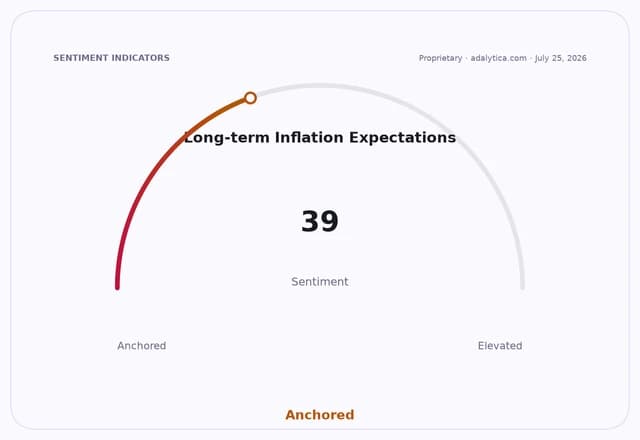
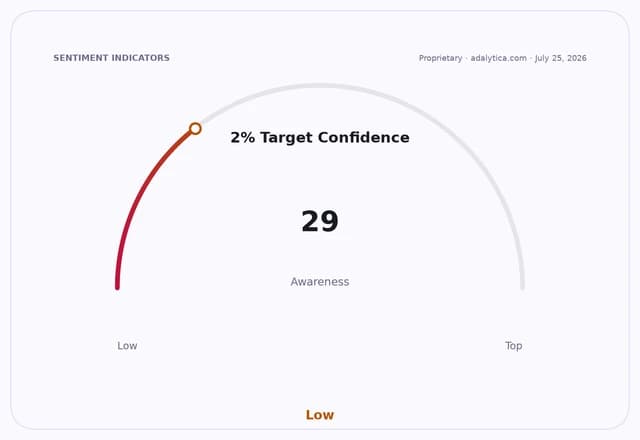
The broader macro backdrop points to a slow normalization rather than a sharp break. In the US, inflation expectations remain fragile, with Adalytica’s confidence gauge on the Fed’s 2% target sitting in “Extreme Fear,” while long-term inflation expectations are only neutral. That reflects a global environment in which investors are still skeptical that central banks can engineer a smooth return to target without renewed volatility in rates, currencies and growth.
For Uzbekistan, the investment implications are direct. A slower return to target usually means tighter financial conditions for longer, which can cap credit growth and weigh on domestic demand. It can also support the currency in the near term if the central bank keeps real rates positive, but that comes at the cost of higher funding expenses for households and corporates.
The data context also shows how market positioning can shift quickly when inflation risks are repriced. US Treasury yields have moved up again, with the 2-year yield around 4.4% and the 10-year near 4.7%, a sign that investors still demand compensation for persistent inflation uncertainty. That kind of global rate backdrop makes it harder for emerging markets to cut aggressively without risking capital outflows or exchange-rate pressure.
For Uzbekistan, the bull case is that continued moderation in inflation gives policymakers room to support growth later, especially if food and energy shocks stay contained. The bear case is that a renewed supply shock, wage pressure or currency weakness could push the target farther out, forcing the central bank to choose between growth and price stability.
The key question for investors is not just when inflation returns to target, but how much economic slack is required to get there. If the disinflation path remains slow, local bonds may continue to offer carry, but equities and credit-sensitive sectors would still face a high-rate environment and limited earnings leverage until price stability is convincingly restored.
| Entity | Gains | Losses |
|---|---|---|
| Uzbekistan central bank | ▲Credibility if disinflation holds | ▼Room to ease policy |
| Savers and local bondholders | ▲Higher real yields | ▼Lower coupon upside |
| Borrowers and rate-sensitive sectors | ▲Later policy relief | ▼Higher financing costs |
| Investors seeking macro stability | ▲Clearer anti-inflation stance | ▼Faster growth upside |