Mortgage signings for housing in Spain’s Valencian Community fell 11.5% in May, a fresh sign that higher financing costs are still filtering through the property market even as broader borrowing conditions begin to ease.
Valencia Mortgage Signings Fall as Rates Bite

The drop matters because housing is one of the clearest channels through which monetary policy and credit conditions hit the real economy. When mortgage origination weakens, it usually reflects either tighter affordability for households, more cautious bank lending, or both — and each can restrain transaction volumes, prices and construction activity. In a region such as Valencia, where residential demand has been relatively resilient, an 11.5% monthly decline suggests that the market is losing some momentum rather than simply normalizing after a strong run.
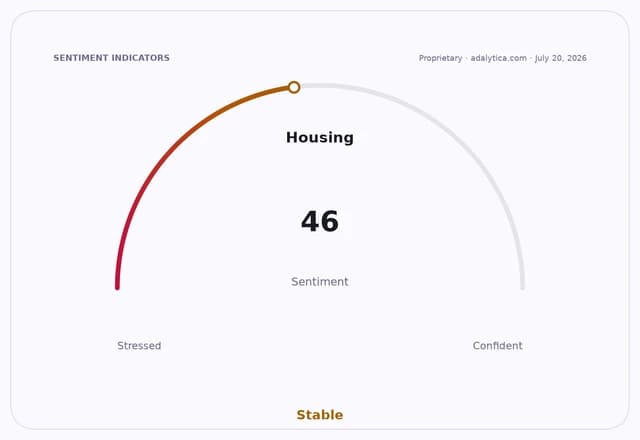
The backdrop is a housing market facing pressure from rates that rose sharply over the past two years before more recent signs of stabilization. Higher rates tend to hit first-time buyers and leveraged households hardest, while also reducing the pool of sellers willing to move if they cannot secure replacement financing on similar terms. That tends to slow turnover across the market, particularly in more interest-sensitive segments such as urban apartments and secondary homes.
The move also carries implications beyond property agents and mortgage brokers. Weaker mortgage signings can soften demand for household goods, furnishings and renovation spending, while feeding into local government revenues linked to property transactions. For banks, a slower pace of originations may weigh on fee income, though it can be offset if competition pushes lenders to cut rates and protect market share. The picture is therefore not simply negative; it is a sign of a market in which volume is under pressure but pricing power in lending may be shifting.
The data fit a broader theme seen in other housing markets: affordability is still doing the damage even where employment remains comparatively firm. Spain’s labor market has held up better than many peers, but that has not fully insulated housing demand from financing costs. If mortgage rates continue to ease, the decline in signings could prove temporary. If not, Valencia’s May reading may be an early warning that the housing slowdown is broadening and that the recovery in residential demand will be slower than investors and lenders had hoped.
| Entity | Gains | Losses |
|---|---|---|
| Existing owners | ▲Less competition | ▼Lower market liquidity |
| Banks with strong deposit franchises | ▲More pricing power | ▼Slower loan growth |
| Cash buyers | ▲Better bargaining position | ▼Fewer distressed discounts |
| Homebuilders and brokers | ▲Potential rate relief ahead | ▼Weaker near-term demand |