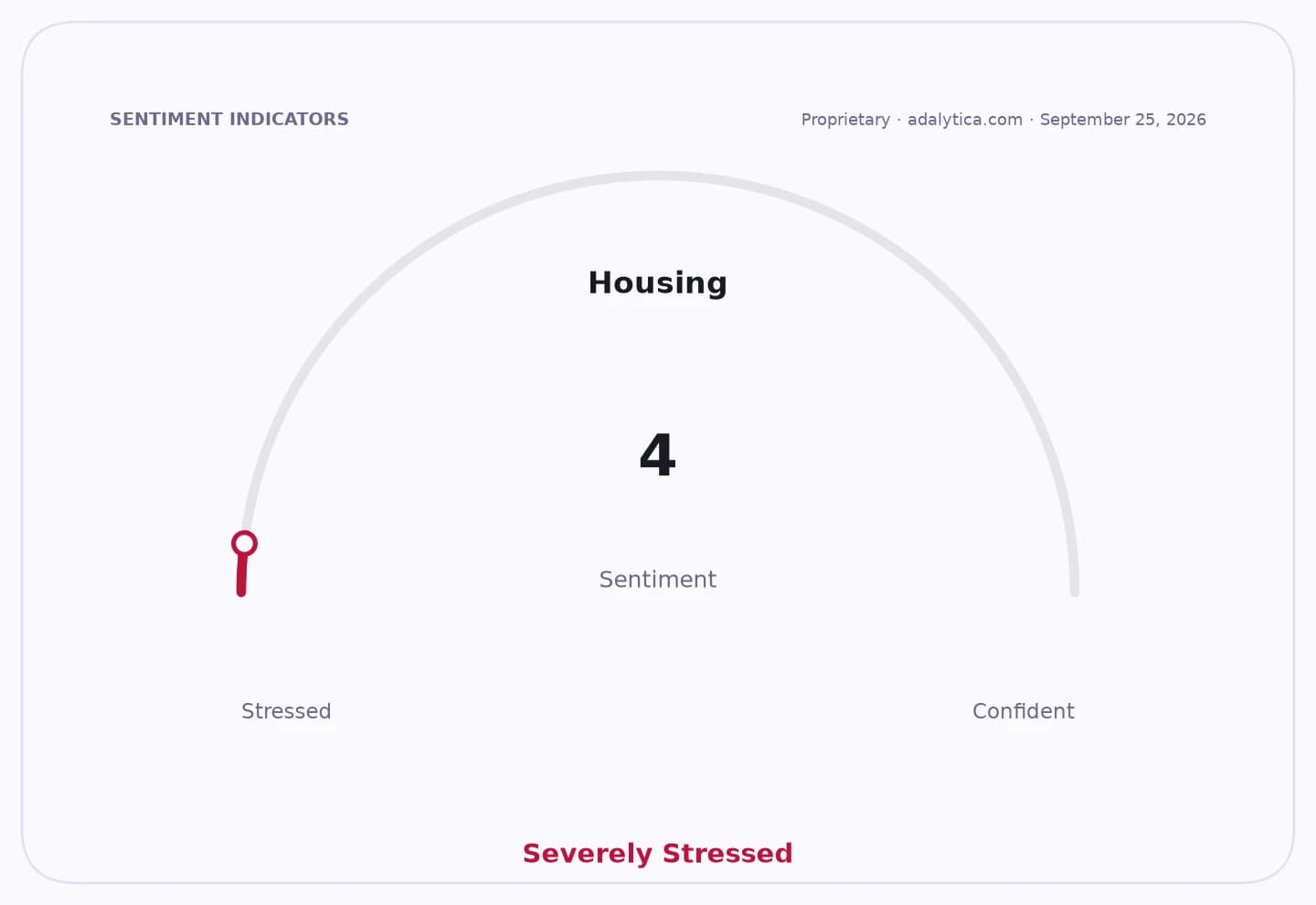
Venezuela’s move to change its law against real estate fraud is about more than paperwork — it is an attempt to speed up housing construction at a time when the country badly needs more supply and more trust in the market.
Venezuela Housing Reform Could Lift Construction
That matters because housing is one of the clearest pressure points in an economy where years of underinvestment have left families short on safe, affordable homes and developers short on certainty. If the government can make it easier to start and finish projects without getting bogged down in legal disputes, it could unlock construction activity, support jobs and improve one of the most basic pieces of economic infrastructure: shelter.
The bigger story is that policymakers are trying to reduce friction in a sector that has been slowed by regulation, weak financing and, as the broader housing news shows, construction risk. In Bac Ninh, authorities halted building after two houses collapsed near a townhouse project, a reminder that faster housing output only helps if safety and oversight keep pace. Quang Tri’s launch of thousands of home builds and repairs shows the other side of the equation: governments across the region are still leaning on housing as both a social policy and an economic stimulus tool.
For investors, the lesson is straightforward. Housing booms are not just about homebuyers; they ripple through cement, steel, contractors, lenders and infrastructure suppliers. The U.S. homebuilding ETF XHB, for example, has seen sharp swings over the past year, with its price moving from deeply oversold technical readings to stretched levels and then back toward the 50-day and 200-day moving averages, a sign of how sensitive the sector remains to changes in construction demand and financing conditions. When housing policy improves, the beneficiaries are often the companies tied to volume growth. When oversight is weak, the losers can be homeowners, lenders and builders caught in delays or quality problems.
The long-term investment case is not about chasing a single headline. It is about recognizing that housing policy can either choke off supply or create a durable tailwind for a broad construction ecosystem. If Venezuela really does streamline real estate rules, investors should watch whether that translates into permits, starts and actual completions — because that is where economic value is created. For now, it is a constructive signal, but one that still needs execution. Worth watching for investors with a long horizon.
| Entity | Gains | Losses |
|---|---|---|
| Venezuelan homebuyers | ▲Faster housing supply | ▼Less project delay |
| Builders and contractors | ▲More project flow | ▼More compliance pressure |
| Lenders and suppliers | ▲Higher construction demand | ▼More legal and safety risk |
| Existing owners / speculators | ▲Less uncertainty | ▼Slower windfall from scarcity |