Vanguard’s short-term bond pair is drawing a sharper investor choice as Treasury yields remain elevated: VGSH offers the higher cash yield and lower volatility, while VTES trades some yield and price stability for federal tax exemption that can matter most to high earners in taxable accounts.
VGSH vs VTES: short-term bond ETF tradeoff

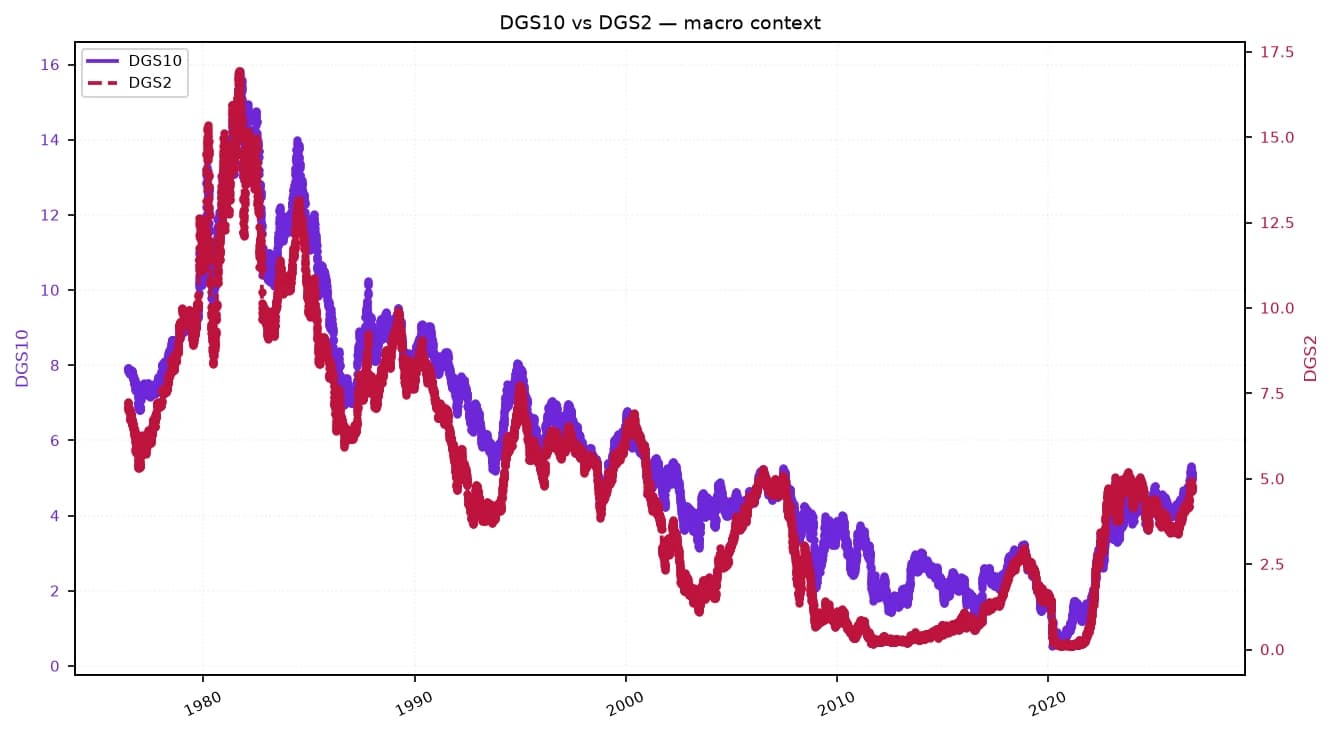
That trade-off is economic, not cosmetic. With the 2-year Treasury yield around 4.65% and the 10-year near 5.00% in the latest data, short-duration fixed income still competes directly with cash while preserving more income than money-market rates for many investors. But the curve remains only modestly positive, leaving investors to decide whether they want the cleaner credit profile and easier liquidity of U.S. government debt or the tax efficiency of municipal bonds.
Sentiment Indicators
US Treasury
VGSH, which tracks the Bloomberg US Treasury 1-3 Year Index, carries a 0.03% expense ratio and a trailing yield of about 3.8% on a recent share price near $57.62. Its roughly 1.9-year duration keeps price moves muted when rates shift, and its 95 Treasury holdings eliminate credit risk. That combination has made it the more conservative parking place for cash that may be needed soon, especially as the 2-year yield has stayed well above 4.5%.
VTES, by contrast, is built around 3,913 municipal issues and targets income exempt from federal taxes and the alternative minimum tax. The fund’s yield, at about 2.7% on a recent price near $99.50, is lower than VGSH’s before taxes, and its roughly 7.3-year duration means greater sensitivity to rate changes. In other words, its advantage only becomes compelling after tax treatment is considered — and mainly for investors in higher brackets holding the fund in taxable accounts.
DGS2 vs DGS10 — macro contextadalytica.com
Explore this data interactively — full history, time series and cross-market comparisons.

That distinction matters because bond investors are no longer choosing only between safety and return; they are choosing between different kinds of after-tax return. For buyers in states with high local taxes or for investors seeking to reduce federal tax bills, a municipal ETF can still win despite a lower headline yield. For pension-like portfolios, retirees, or anyone prioritizing capital preservation and liquidity, VGSH’s Treasury backing and shorter duration remain more attractive.
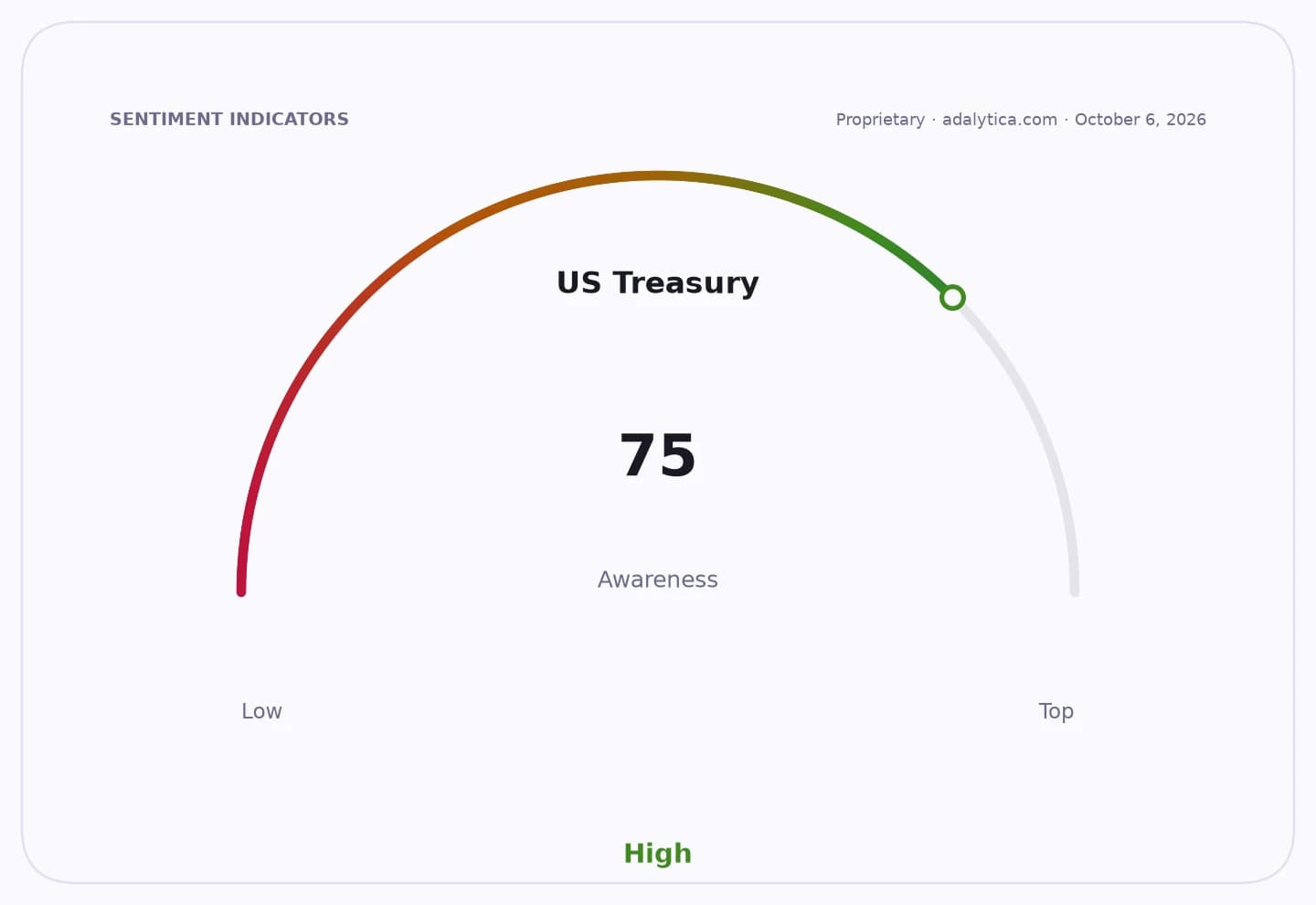
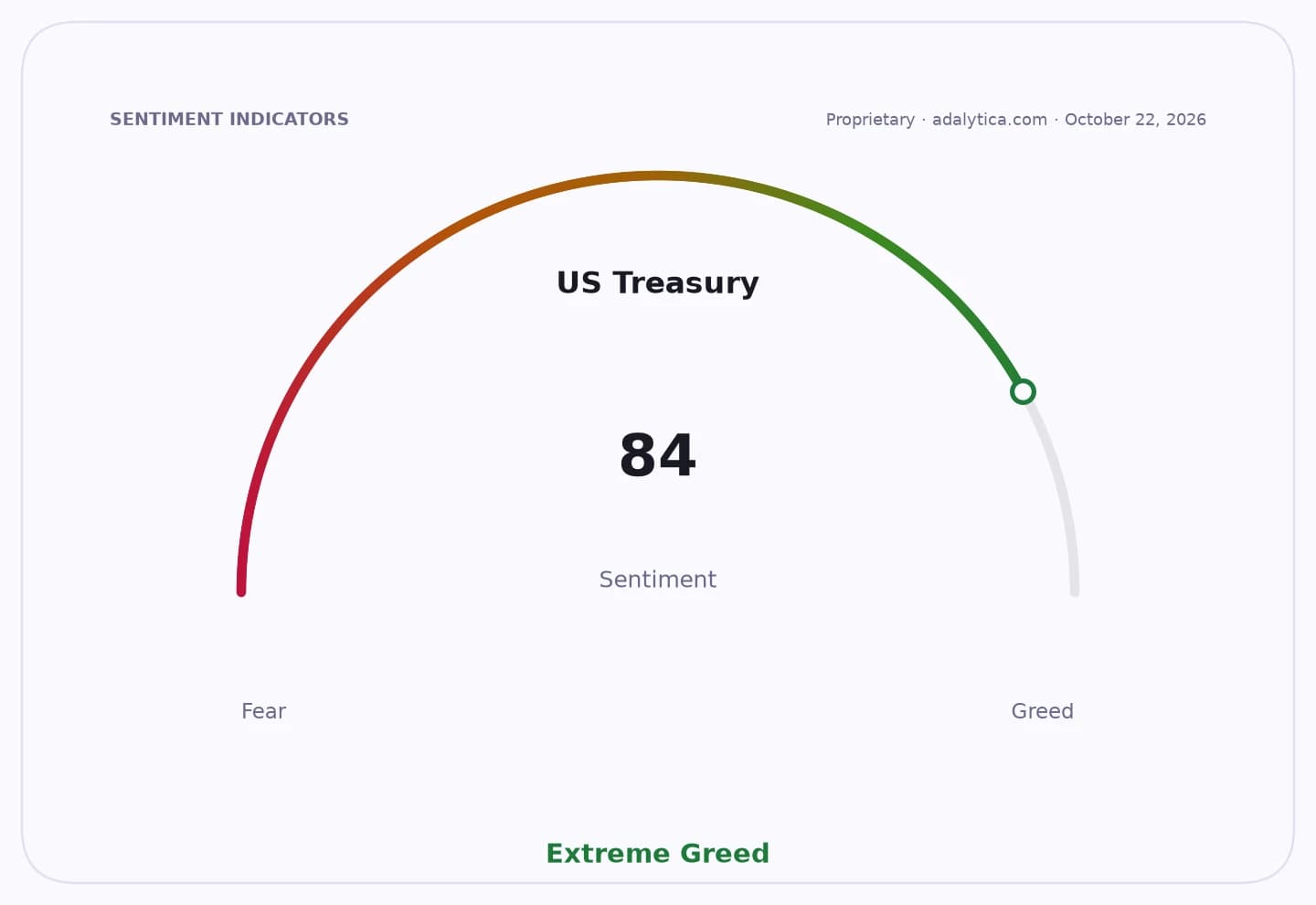
The market backdrop supports that split. Treasury-heavy products continue to benefit from demand for low-risk income, a trend reinforced by Adalytica’s latest signal on U.S. Treasury bonds, which showed sentiment in “Greed” territory even as awareness remained at “Extreme Fear.” The S&P 500’s own trade signals still point to “Extreme Fear,” underscoring that investors are not fully comfortable taking equity risk and are still receptive to short-term government paper.
By contrast, munis face a more nuanced case. The municipal market has held up better than many expected, but VTES’s longer duration means it behaves less like a cash substitute and more like a bond fund that can move when rate expectations change. That makes it more vulnerable if Treasury yields stay firm or rise again, even if the tax shield remains intact.
For investors, the real question is not which ETF is “better” in the abstract, but which risk budget they are managing. VGSH is the stronger fit for preserving principal, accessing cash quickly and minimizing rate sensitivity. VTES is the better fit for taxable accounts where the value of federal tax exemption can outweigh its lower pre-tax yield and higher duration risk. In the current rate environment, both can make sense — but for different balance sheets, different tax brackets and different time horizons.
| Entity | Gains | Losses |
|---|---|---|
| VGSH investors | ▲Higher pre-tax yield, lower volatility | ▼Federal tax exemption |
| VTES investors | ▲Tax-free federal income | ▼Higher duration and lower headline yield |
| High-income taxable accounts | ▲After-tax income efficiency | ▼Treasury-only income preference |
| Short-duration Treasury buyers | ▲Capital preservation and liquidity | ▼Municipal tax benefits |