Domestic coffee prices in Vietnam extended their decline for a third straight session on Aug. 16, with farm-gate buying around 94,800 dong a kilogram, as a split global market pulled robusta lower while arabica held mixed. The move matters because Vietnam is the world’s biggest robusta supplier, and when its local price eases from near the 100,000-dong mark, it can quickly feed into export margins, farmer selling decisions and near-term trade flows across the world’s coffee supply chain.
Vietnam coffee prices fall for third straight session
The latest drop comes after a sharp run-up that had lifted Vietnamese prices close to a psychological ceiling for growers and exporters. The retreat suggests the market is pausing to digest weaker robusta benchmarks even as supply risks have not disappeared. Robusta prices in the international market fell by more than $100 a ton in the latest move, while arabica was supported by low inventories and reported supply disruptions in Colombia. That divergence is central: robusta is the grade most exposed to Vietnam’s output, while arabica remains more sensitive to weather and stock levels in Latin America.
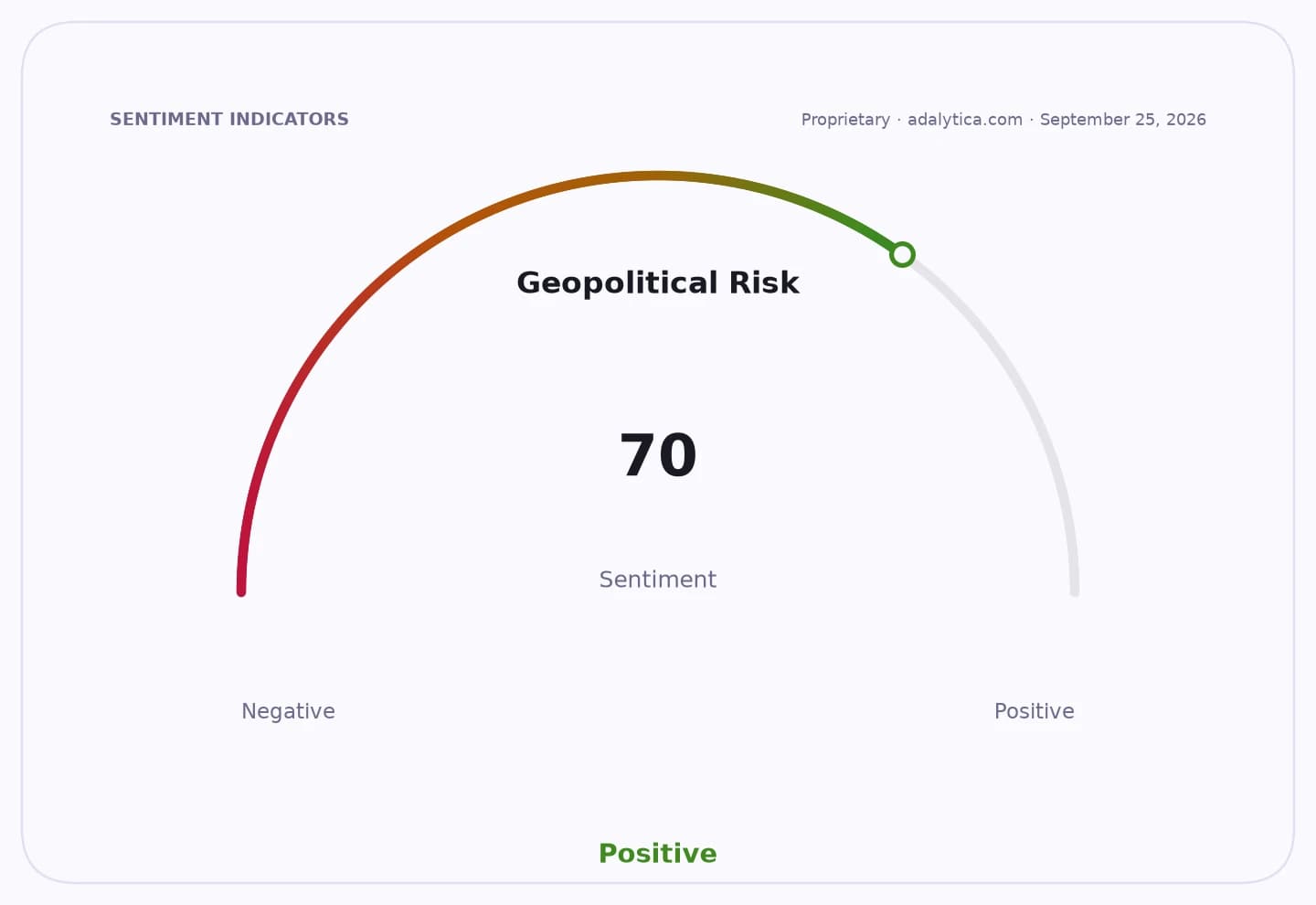
Sentiment IndicatorsⓘProprietary · adalytica.com · August 15, 2026
This is a snapshot — live sentiment, awareness and momentum for 130+ markets update continuously in the dashboard.Open AlphaPulse
For investors and traders, the key issue is whether the pullback marks a correction or the start of a broader repricing. Coffee has been one of the most volatile soft commodities this year, and the combination of tight stockpiles, weather risk and speculative positioning has kept swings exaggerated. On the downside, falling domestic prices can pressure producers’ cash flow and encourage delayed sales, especially after a strong first half that saw Vietnam export more than 1 million tons of coffee and earn nearly $4.8 billion, up 7% from a year earlier. On the upside, sustained high prices have already improved export revenue and are encouraging the country’s push into processed and specialty coffee, where margins are higher and earnings less dependent on raw bean price swings.
The broader economic significance reaches beyond growers. Coffee is an important export earner for Vietnam, so a softer domestic benchmark can narrow trade receipts if it persists, even if volumes stay firm. For roasters and importing countries, especially in Europe, the mixed global backdrop still points to elevated costs and potential retail price increases, because arabica tightness and robusta volatility are both feeding the same inflation pipeline. The recent move in the U.S. dollar also matters: a weaker dollar typically supports commodity prices, but the latest coffee move shows physical supply and regional crop dynamics are still overpowering currency effects in the near term.
The immediate outlook hinges on whether robusta supply from Vietnam and nearby origins improves into the next buying cycle, and whether arabica shortages in Colombia and low inventories keep the broader coffee complex supported. If robusta keeps easing, exporters could face thinner margins and farmers may be forced to sell more aggressively. If arabica stays firm, roasters may keep blending toward cheaper robusta, which could stabilize demand for Vietnam even as the local price cools from recent highs.
| Entity | Gains | Losses |
|---|---|---|
| Vietnamese farmers | ▲Better-than-historical prices | ▼Near-term selling prices easing |
| Exporters/roasters | ▲Lower spot procurement costs | ▼Margin volatility and supply timing risk |
| Coffee importers | ▲Some relief if robusta keeps falling | ▼Still exposed to arabica tightness |
| Vietnam’s processed coffee push | ▲Stronger incentive to move up value chain | ▼Raw bean sales face price pressure |