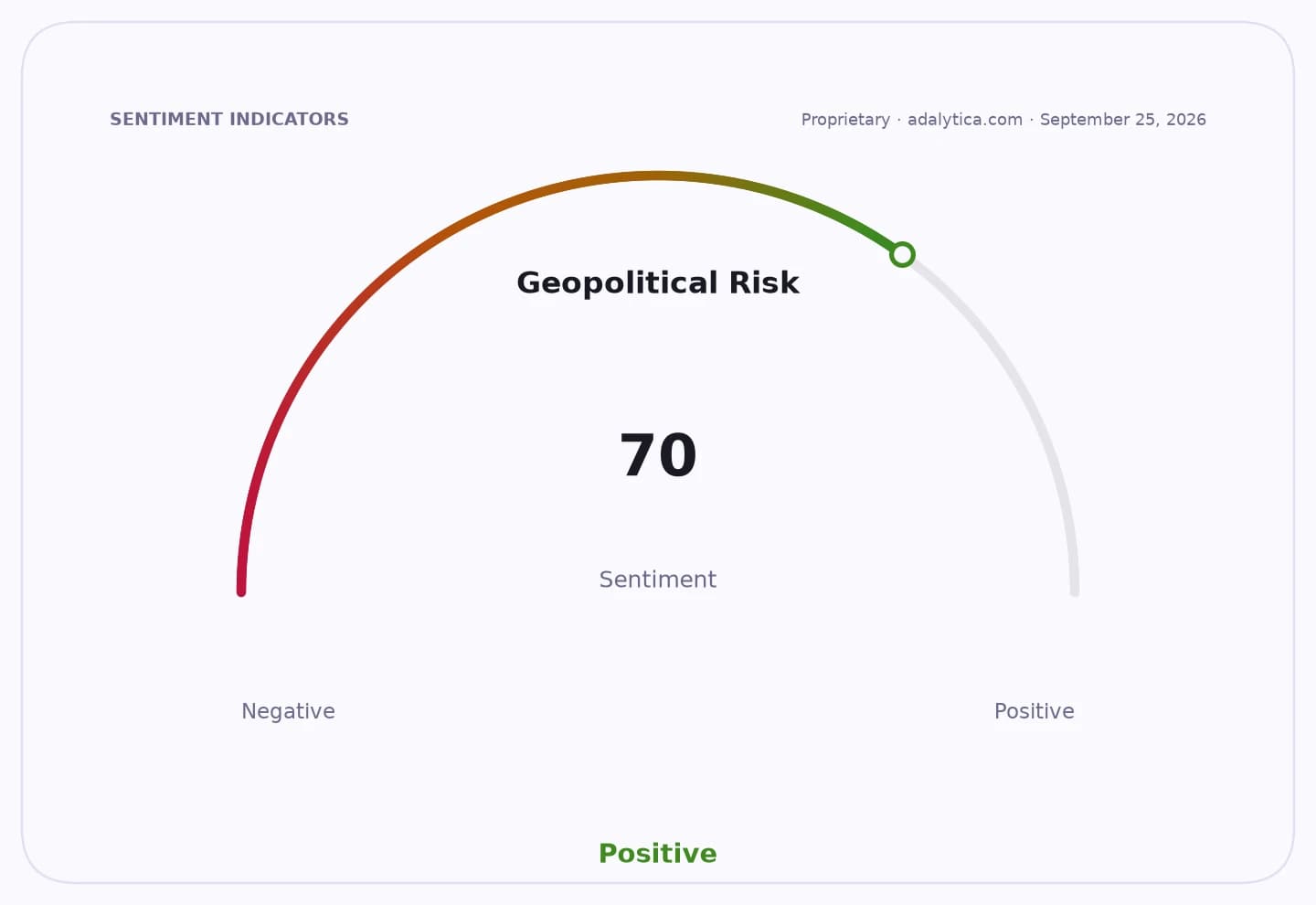
Vietnam’s unofficial dollar rate briefly dropped sharply even as bank exchange rates moved in the opposite direction, highlighting a tense foreign-exchange market where liquidity, expectations and policy credibility are pulling prices apart.
Vietnam FX Divergence Signals Underlying Dollar Stress

The 7-minute slide in the black-market USD rate matters because in Vietnam the parallel market often acts as a real-time stress gauge for demand for hard currency, especially when households and smaller businesses struggle to access dollars at official channels. A sudden drop, even if short-lived, suggests the informal market can reprice fast when bids disappear or traders rush to unwind positions, but it does not necessarily mean pressure on the dong has vanished.
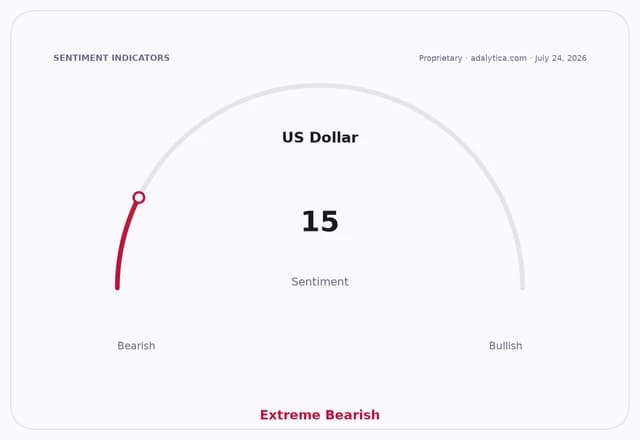
Sentiment IndicatorsⓘProprietary · adalytica.com · July 24, 2026
This is a snapshot — live sentiment, awareness and momentum for 130+ markets update continuously in the dashboard.Open AlphaPulse
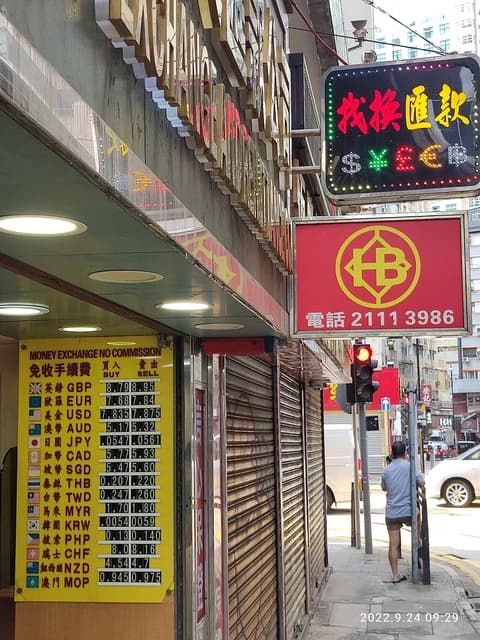
That divergence comes against a backdrop of broad US dollar strength. The US Dollar Index rose to 101.46 on July 24, with the 50-day moving average at 100.25 and the 200-day average at 99.1, keeping the greenback above both trend measures. RSI readings near 61.6 suggest the index is firm but not yet at extreme levels, while the MACD remains positive. For Vietnam, a stronger dollar typically tightens import financing conditions and raises the cost of servicing dollar liabilities, which can feed into local FX demand and widen the gap between official and informal rates.
The macro setup also helps explain why traders are watching the black market so closely. Adalytica’s US dollar trade signals show sentiment at 15, or “Extreme Fear,” even as awareness remains neutral, pointing to a market that is still highly reactive after a sharp swing in positioning over the past week. FX volatility signals have also picked up, with the seven-day change turning higher, indicating that price swings in dollar pairs are drawing more attention even if the current reading is not at crisis levels.
For investors, the split between bank and black-market rates is significant because it can be an early warning that foreign-currency demand is outpacing supply somewhere in the system. That matters for Vietnamese importers, dollar borrowers and companies with thin cash buffers, while exporters and firms holding dollar revenue may be relatively better insulated. If the informal rate keeps moving violently while the bank rate stays managed, it would suggest policy authorities are still smoothing the official market but not fully eliminating underlying pressure.
The bear case is that the black-market move reflects temporary positioning, not a durable shift, and could fade quickly if dollar demand eases. The bull case for stability is that the official rate can absorb pressure as long as the dollar index remains contained and local liquidity stays adequate. But with the global dollar still firm and volatility elevated, the more important takeaway is that Vietnam’s FX market remains vulnerable to abrupt dislocations between the formal and informal channels.
What to watch next is whether the bank rate continues to edge higher while the parallel market stabilizes, or whether another gap opens. If the divergence persists, it would signal that foreign-exchange stress is not just a pricing oddity but a broader liquidity and confidence issue with implications for import costs, corporate hedging and the central bank’s room to maneuver.
| Entity | Gains | Losses |
|---|---|---|
| Vietnamese banks | ▲managed-rate stability | ▼market-credibility pressure |
| Black-market traders | ▲volatility opportunities | ▼short-dollar positions |
| Importers and dollar borrowers | ▲nothing material | ▼higher FX costs |
| Exporters with USD revenue | ▲currency tailwind | ▼less relevant pressure |