Vietnam’s industrial production is expanding at a pace that strengthens the case for a longer-term shift in the country’s growth model, with output rising 7.3% in June and policymakers increasingly tying investment to technology, innovation and knowledge transfer rather than cheap labor alone.
Vietnam Industrial Output Rises 7.3% in June
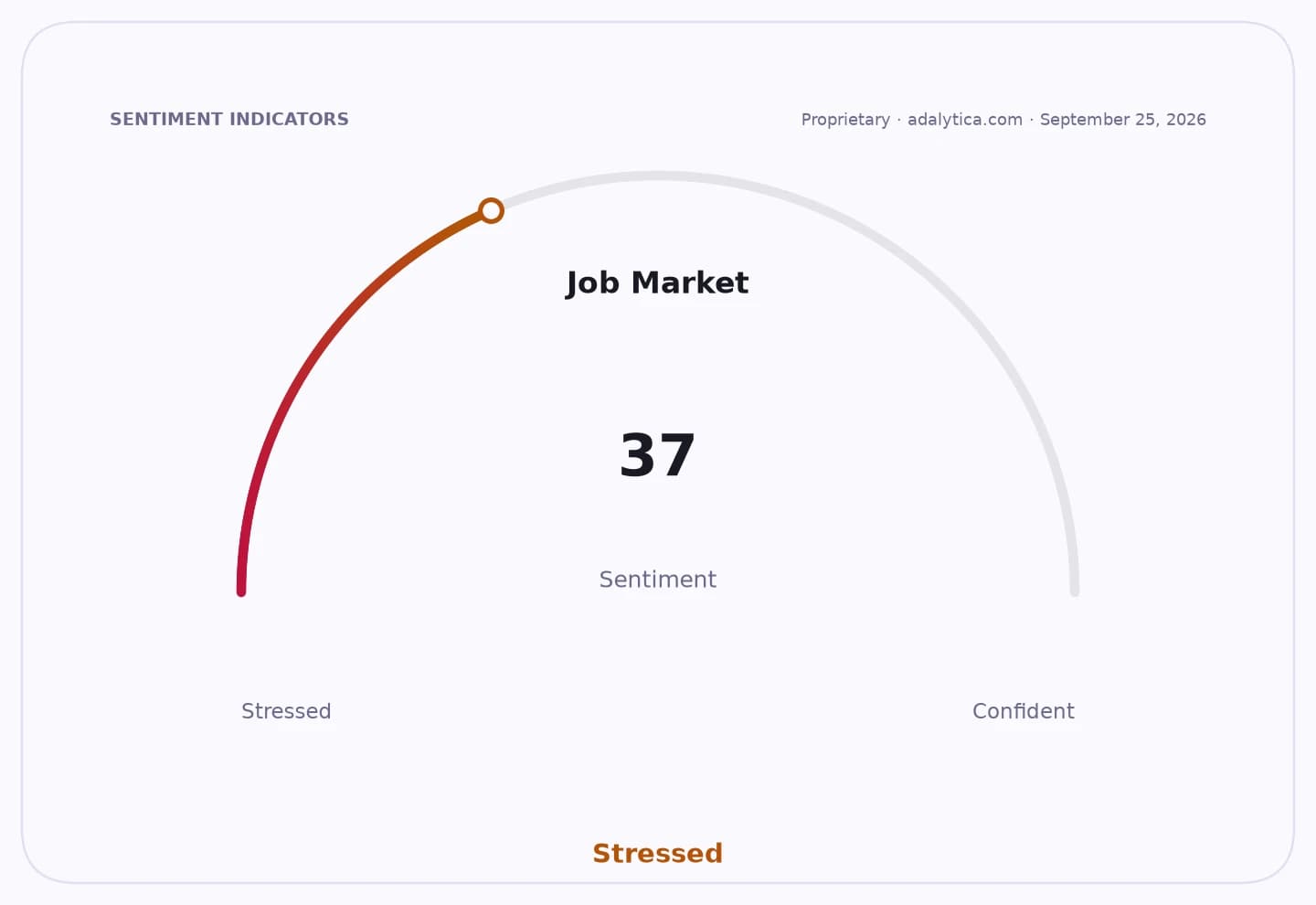
That matters because Vietnam is trying to turn a cyclical manufacturing boom into a more durable productivity story. The government’s industrial output index has climbed to 102.6 in June from 99.2 at the start of 2024, after the pandemic slump left a deep mark on output and exposed the limits of a low-cost assembly model. The labor market is also still relatively stable, with unemployment at 4.2% in June, giving policymakers room to push restructuring without the immediate pressure of a jobs crisis.
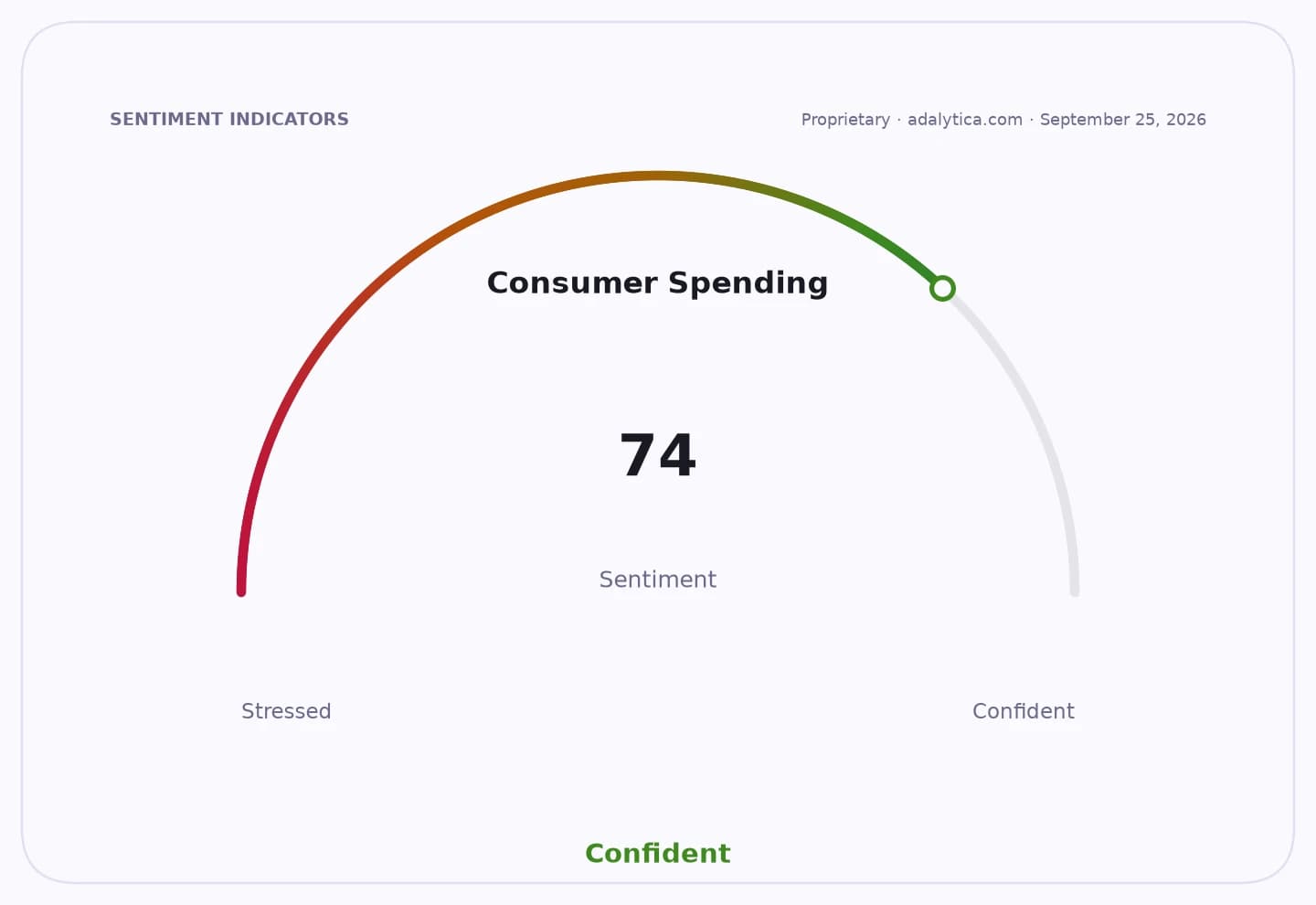
The new emphasis is economic as much as strategic. Faster industrial growth has been led by electrical equipment, autos and food products, sectors that usually depend on higher capital intensity, better logistics and deeper supplier networks. Those are the industries that can lift productivity over time, support wages and broaden domestic value added. In that sense, Vietnam is not just exporting more; it is trying to move further up the manufacturing stack.
For investors, the implication is that the country’s appeal is becoming less about short-term labor arbitrage and more about policy continuity, infrastructure execution and the ability to absorb technology. That should help multinational manufacturers looking to diversify supply chains away from China, particularly U.S. firms expanding domestic production footprints in Asia. But it also raises the bar: returns will increasingly depend on whether Vietnam can improve green competitiveness, sustain skills transfer and avoid bottlenecks in power, ports and industrial land.
The bull case is that this strategy locks in a more resilient industrial cycle and keeps foreign direct investment flowing into higher-value production. The bear case is that productivity-led transformation takes time, while global demand, tariffs and financing costs can still interrupt factory expansion. For now, the data suggest Vietnam is trying to convert manufacturing momentum into a structural advantage rather than a temporary export surge.
| Entity | Gains | Losses |
|---|---|---|
| Vietnam government | ▲Higher productivity, better growth quality | ▼Pressure to deliver reforms |
| Foreign manufacturers | ▲Supply-chain diversification | ▼Higher compliance and setup costs |
| Local workers | ▲More stable jobs, skills transfer | ▼Faster transition risk |
| Low-cost rivals | ▲— | ▼Share of manufacturing investment |