Vietnam is accelerating plans to lean on liquefied natural gas to meet surging electricity demand as the export-driven economy targets double-digit growth, creating a new opening for global LNG suppliers and power developers.
Vietnam LNG plans for power demand growth

The shift matters because Vietnam’s rapid industrial expansion is straining a grid still heavily dependent on coal and hydropower. LNG offers a faster route to add flexible generation capacity, helping the country avoid power shortages that could disrupt factories and slow investment.

For investors, the push points to rising long-term demand for imported LNG cargoes, terminal infrastructure and gas-fired power plants across Southeast Asia. It also reinforces the case for U.S. LNG exporters such as Cheniere Energy, whose cargoes are shipped globally, while benefiting utility and infrastructure players tied to new regasification and generation projects.
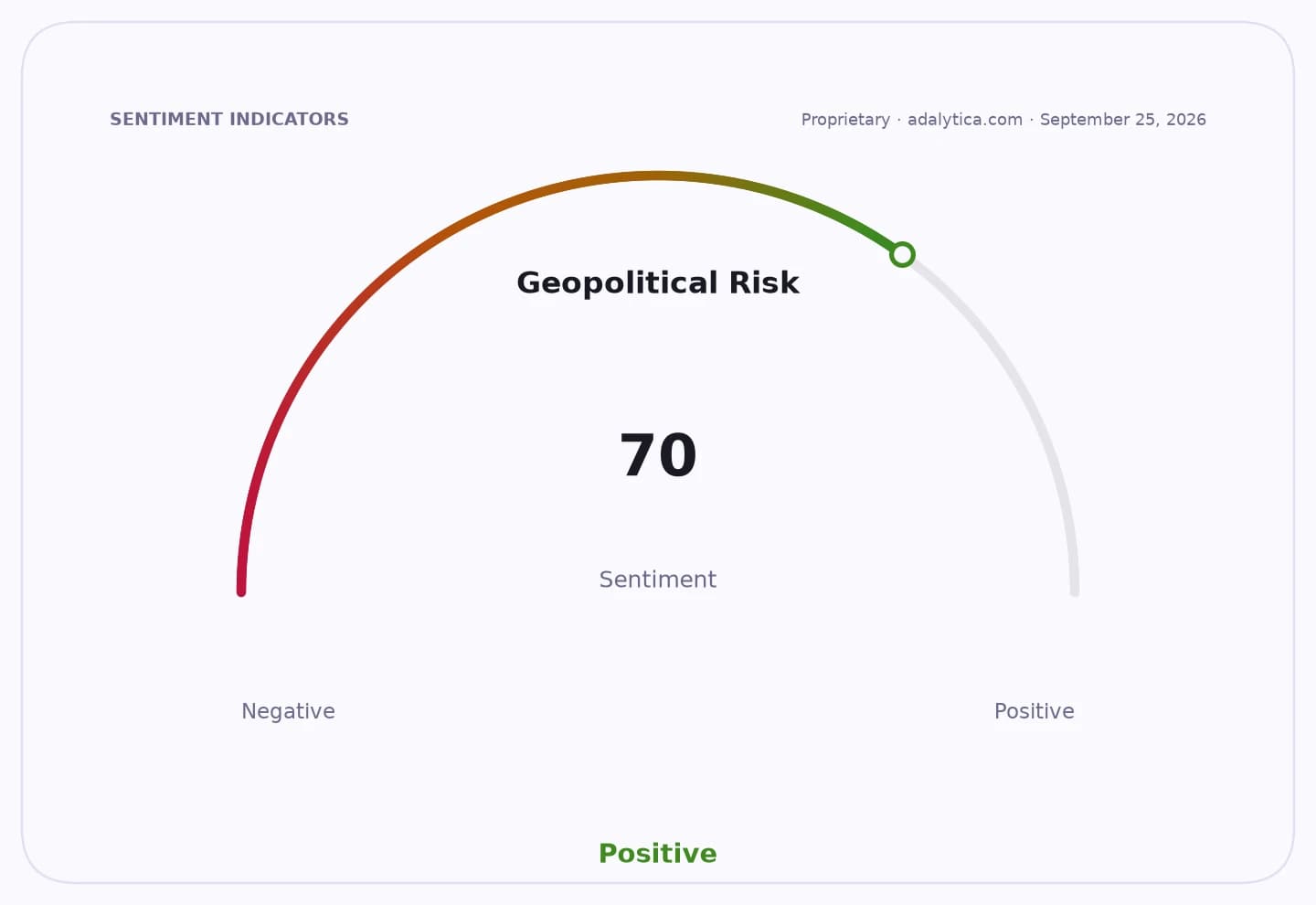
The backdrop is tighter global gas conditions and heightened geopolitical uncertainty, which can make supply security a priority for fast-growing importers. U.S. 10-year Treasury yields around 4.7% and a softer dollar also highlight a market environment where capital-intensive energy projects still need stable policy support and long-dated financing.
Vietnam’s growth ambitions raise the stakes. A stronger economy means more power consumption from manufacturing, data centers and urban demand, but it also increases pressure on policymakers to deliver reliable electricity without blowing out fuel imports or emissions targets.
For LNG-linked stocks, the key question is execution: whether Vietnam can move projects from policy to procurement fast enough to secure supply before demand outpaces the grid. Watch for power-sector tenders, terminal awards and offtake agreements to set the pace over the next year.
| Entity | Gains | Losses |
|---|---|---|
| LNG exporters | ▲More long-term Asian demand | ▼Tighter supply if projects lag |
| Vietnam power developers | ▲Faster capacity buildout | ▼Higher import and project costs |
| Coal generators | ▲Slower relative growth | ▼Share loss to gas-fired plants |
| Factories and investors | ▲More reliable electricity | ▼Higher fuel-price exposure |