Vietnam’s billion-dollar pangasius industry is being pushed out of the US by sharply higher anti-dumping duties, even as China takes a growing share of the export load and helps keep the sector afloat.
Vietnam Pangasius Exports Shift From US to China

The shift matters because pangasius is one of Vietnam’s most important seafood exports and a key source of hard-currency earnings for the country’s Mekong Delta farming belt. Higher US tariffs raise landed costs for importers, squeeze margins for Vietnamese processors and can force exporters to redirect product into lower-margin markets. For investors, the change is a reminder that trade policy, not just demand, is now a decisive driver of earnings for seafood exporters and logistics names tied to Asian food trade.
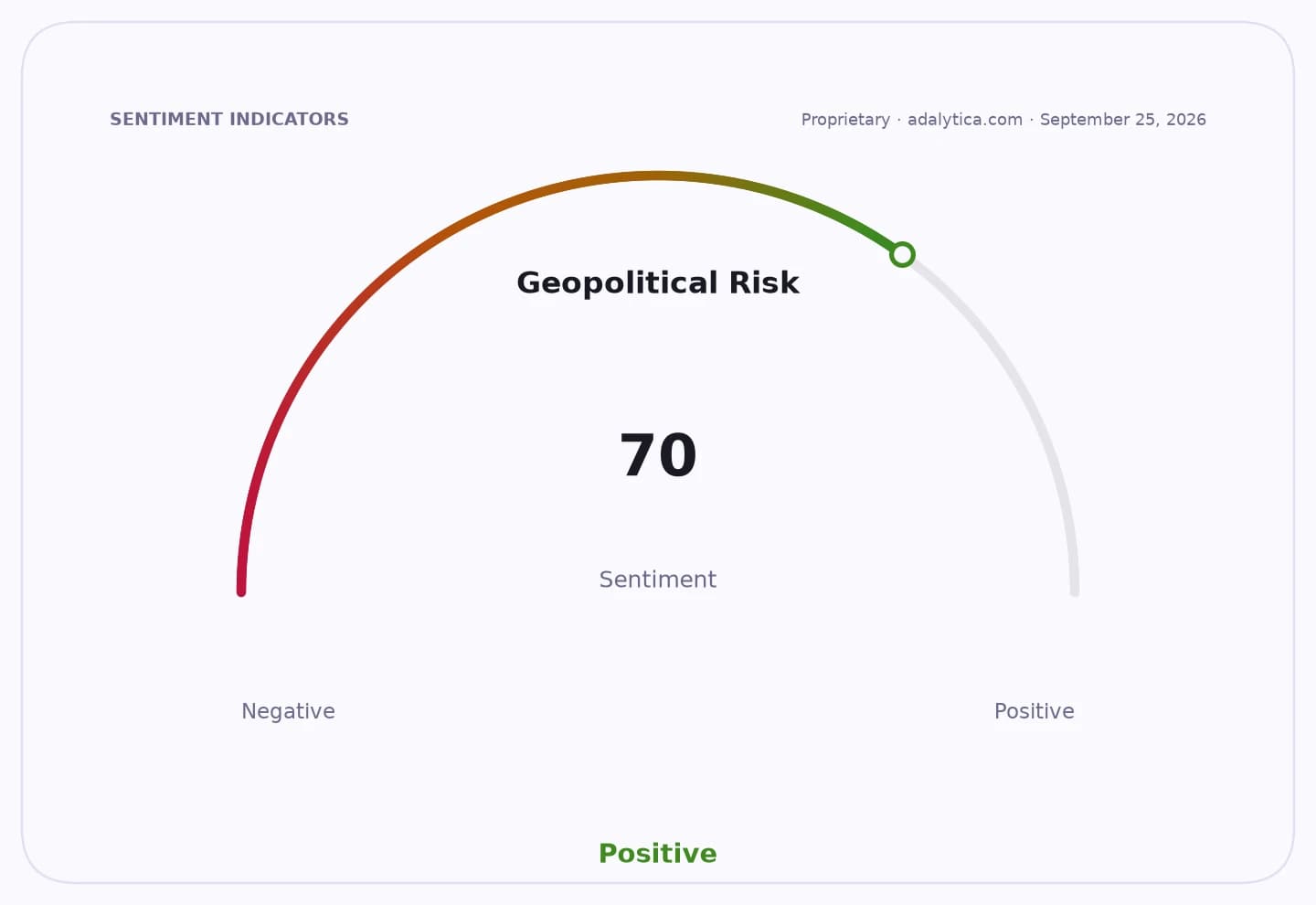
Sentiment IndicatorsⓘProprietary · adalytica.com · August 19, 2026
This is a snapshot — live sentiment, awareness and momentum for 130+ markets update continuously in the dashboard.Open AlphaPulse

The US market has become increasingly difficult for Vietnamese producers after anti-dumping duties rose by more than 200%, according to the data provided. That has made it harder for fillets to compete against other white-fish suppliers and reduced the appeal of a market that historically offered premium pricing and scale. In practice, the burden falls on exporters and farmers first: processors face slower orders and weaker pricing power, while growers can be left exposed to inventory buildup and thinner farm-gate margins.
China is absorbing more of the displaced supply, accelerating as US demand weakens. That offers Vietnam an important release valve, but it is not a simple substitute. China typically buys more on volume than on price, and the market can be more volatile, with buyers able to switch quickly among suppliers. So while Chinese demand supports export volumes, it may not fully replace the profitability of the US channel.
The trade diversion also has broader implications for regional seafood competition. India, Indonesia and other exporters can gain share when Vietnamese pangasius loses ground in America, especially if they are able to serve the same frozen white-fish segment at more competitive duty-adjusted pricing. That makes the US market a battleground not just for Vietnam, but for the wider Asian seafood complex.
For investors, the key question is whether export growth can be sustained without the US contribution and whether China can absorb enough supply without forcing a race to the bottom on price. If tariffs remain elevated, Vietnamese exporters may need to lean further into China, the Middle East and other emerging markets, while improving product mix and processing margins to protect earnings.
The setup argues for continued volatility in seafood exporters’ results. Companies with diversified sales channels and stronger balance sheets are better placed to ride the shift, while those reliant on US demand face a more difficult margin outlook as trade friction reshapes the industry.
| Entity | Gains | Losses |
|---|---|---|
| Vietnam pangasius exporters | ▲China sales volumes | ▼US margin premiums |
| Chinese importers | ▲Lower supply prices | ▼None |
| US seafood buyers | ▲Alternative suppliers | ▼Vietnamese fillet availability |
| India/Asian rivals | ▲US market share | ▼Export pricing power |