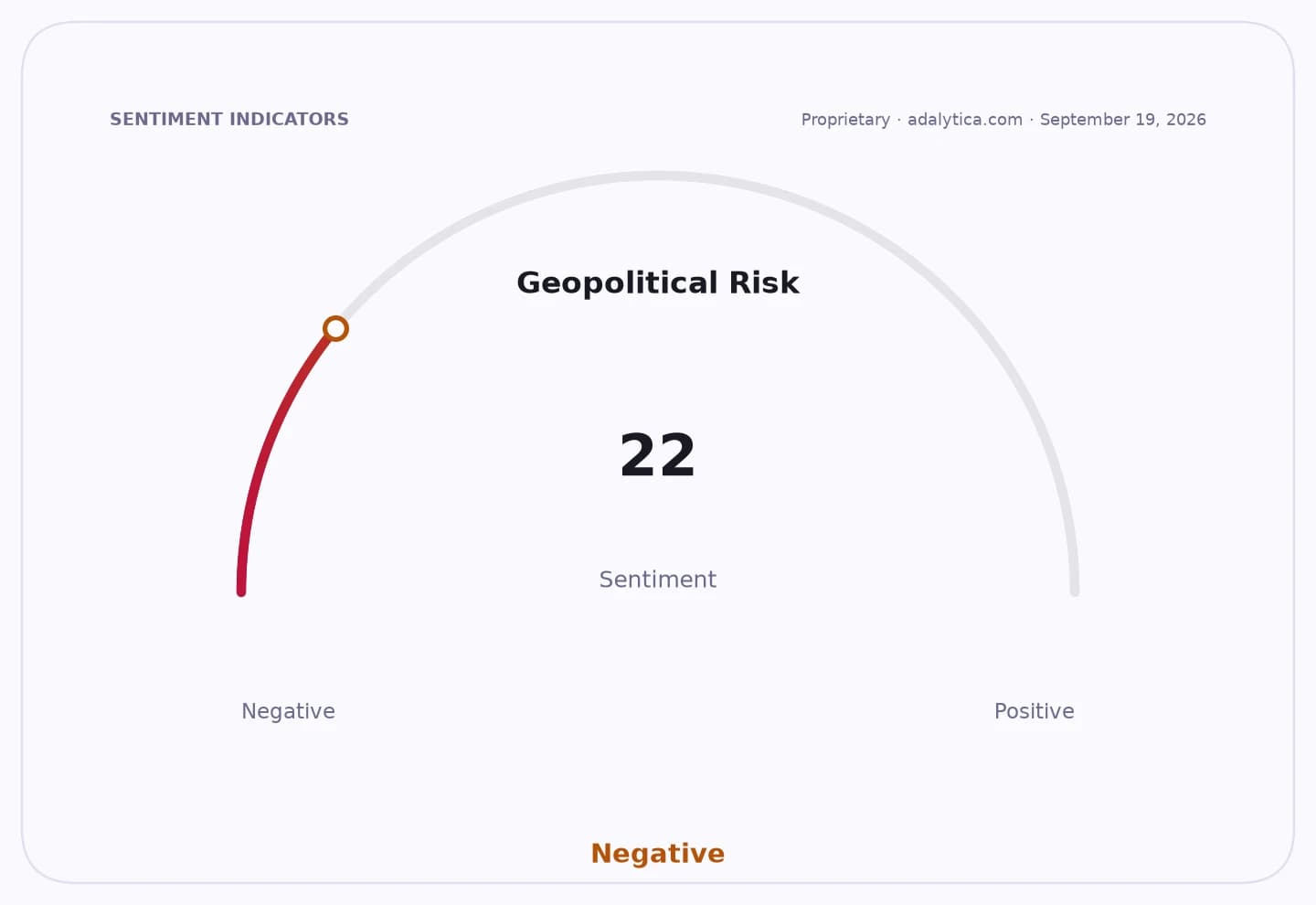
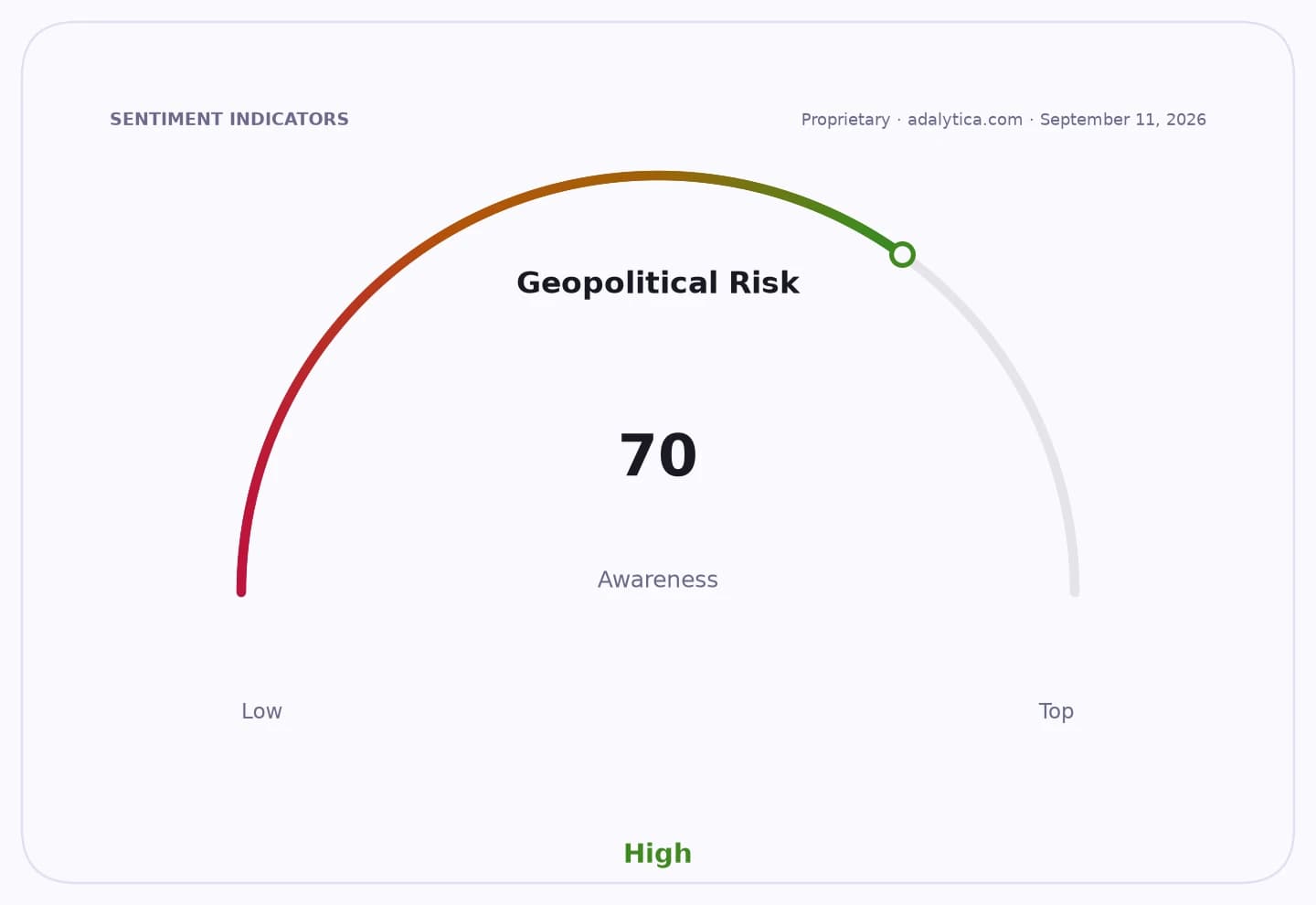
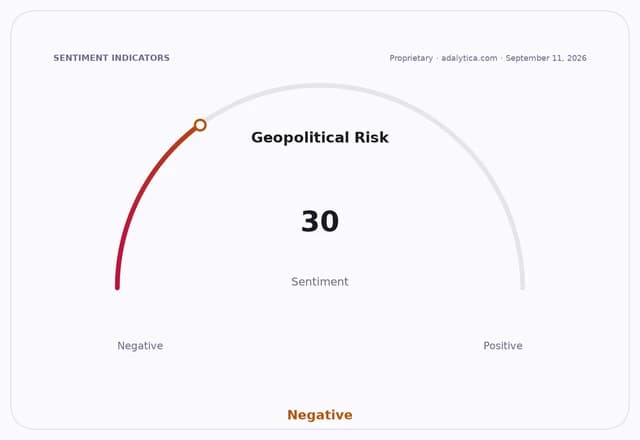
Vietnam’s state visit to Russia has delivered its most investable message yet: Hanoi and Moscow are moving to lock in a deeper strategic relationship centered on energy, technology and supply chains, with both sides targeting bilateral trade of $15 billion. That matters because it points to a more durable flow of capital, commodities and industrial cooperation at a time when global stability sentiment tracked by Adalytica.com has slid into “Fear,” sharpening the premium on countries that can secure fuel, inputs and alternate trade lanes.
Vietnam Russia visit targets $15B trade
For investors, the significance is less about symbolism than about second-order effects. Russia remains a major hydrocarbons power, and Vietnam is signaling that oil, gas and potentially nuclear energy will stay at the core of the relationship even as the two countries widen cooperation into wind power, natural gas, artificial intelligence, digital technologies, quantum research, biotech and space. That combination suggests a long-cycle capex story, not a short diplomatic gesture: more infrastructure, more energy security spending and more procurement tied to transport, supply-chain resilience and industrial modernization.
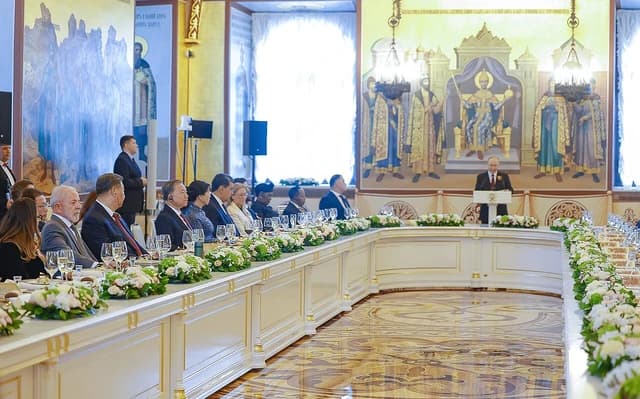
The declaration also matters because it gives a clearer framework for how Vietnam intends to diversify its external economic links while keeping one foot in traditional energy and another in next-generation technology. Hanoi and Moscow said they want to improve transport routes, protect supply chains and expand joint research and technology transfer. That is the kind of policy language that eventually turns into contracts, standards and public investment, which usually benefits the companies that sell equipment, engineering services, industrial software and energy-adjacent infrastructure.
The market angle is that Vietnam is still early in its re-rating. The VNM ETF, a broad proxy for Vietnamese equities, has recently reclaimed its 50-day moving average and is trading near 18, while still below its 200-day average around 18.22. That leaves room for sentiment to improve if investors start pricing a more constructive external backdrop, especially if the country can turn geopolitical balancing into real trade and energy inflows. A sustained move above the 200-day line would likely attract more momentum capital into Vietnam-linked assets.
Russia, meanwhile, is looking for partners willing to engage despite sanctions pressure and Western isolation. That makes Vietnam strategically useful, but it also means the relationship will be shaped by practical constraints, especially in payments, shipping and project execution. The economic opportunity is real, but so is the geopolitical friction embedded in it. For investors, that usually favors indirect exposure over headline-chasing: ports, logistics, grid equipment, industrial technology and Vietnam-focused funds rather than trying to trade the diplomacy itself.
The bigger thesis is straightforward. The market underestimates how much geopolitical fragmentation is forcing countries like Vietnam to build parallel supply chains and energy options. This visit suggests Hanoi is not just hedging — it is institutionalizing that hedge into policy. If the $15 billion trade goal is followed by actual energy, technology and transport projects, Vietnam could emerge as one of Asia’s more interesting beneficiaries of the new multipolar trade map.
The best way to play it is to stay aligned with Vietnam’s infrastructure, energy-transition and industrial-upgrade cycle, while watching for any confirmation that trade flows and project awards begin accelerating after the Moscow agreement.
| Entity | Gains | Losses |
|---|---|---|
| Vietnam | ▲Energy security, trade diversification | ▼Reliance on single suppliers |
| Russia | ▲Export outlet, diplomatic partner | ▼Isolation from West |
| VNM ETF | ▲Vietnam re-rating potential | ▼Stalls if ties stay symbolic |
| Western rivals | ▲Less influence in Hanoi | ▼Market share in energy and tech |